Comprehensive Guide to Silicone Product Pricing: Quality, Value, and Long-Term Benefits

All Categories

price of silicone products

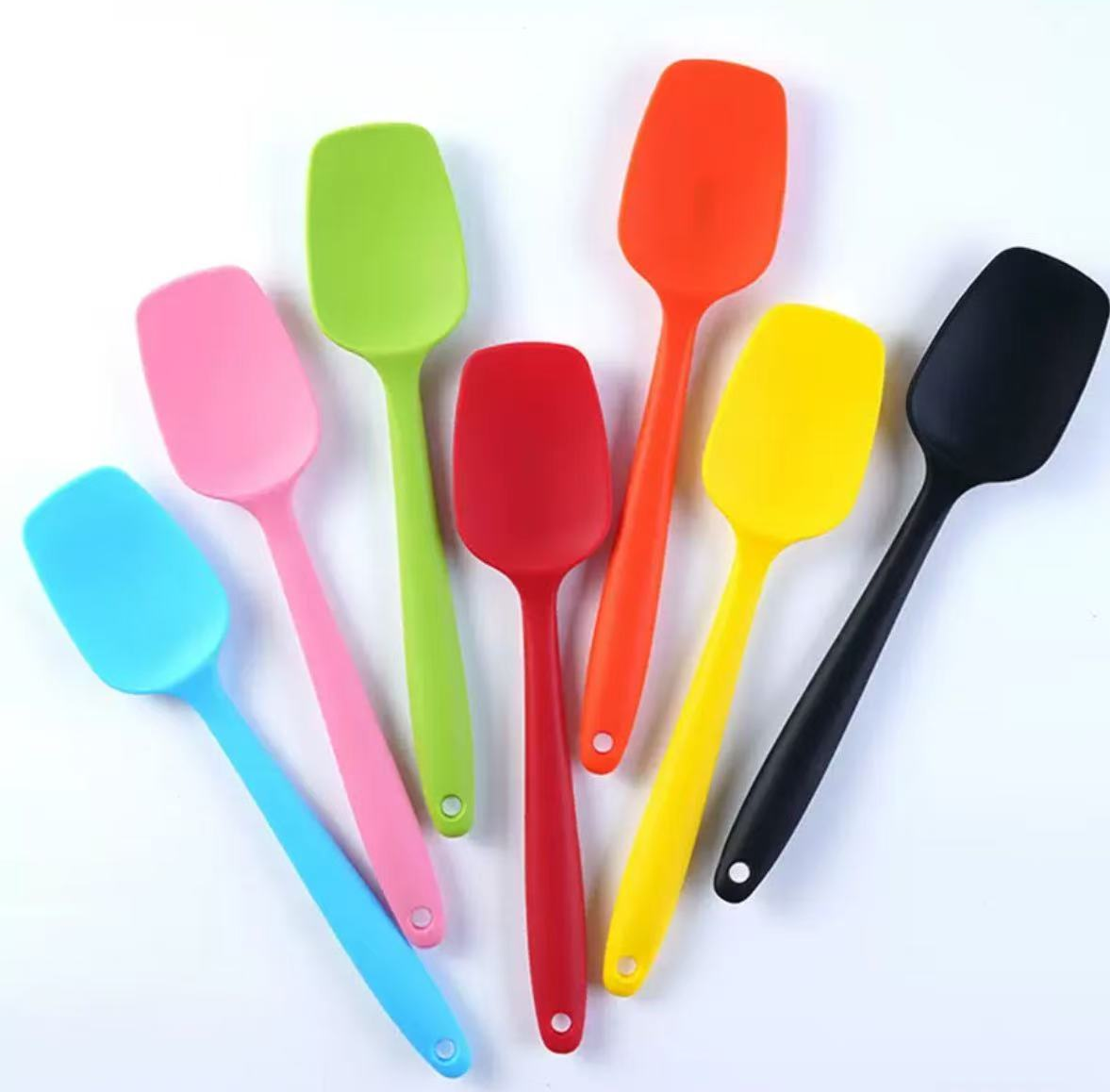
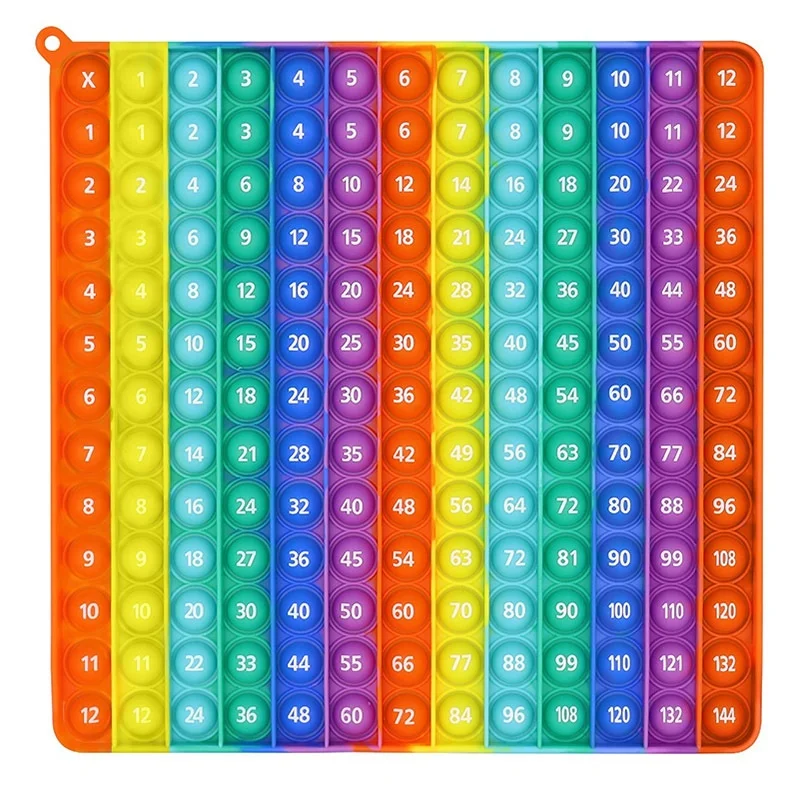
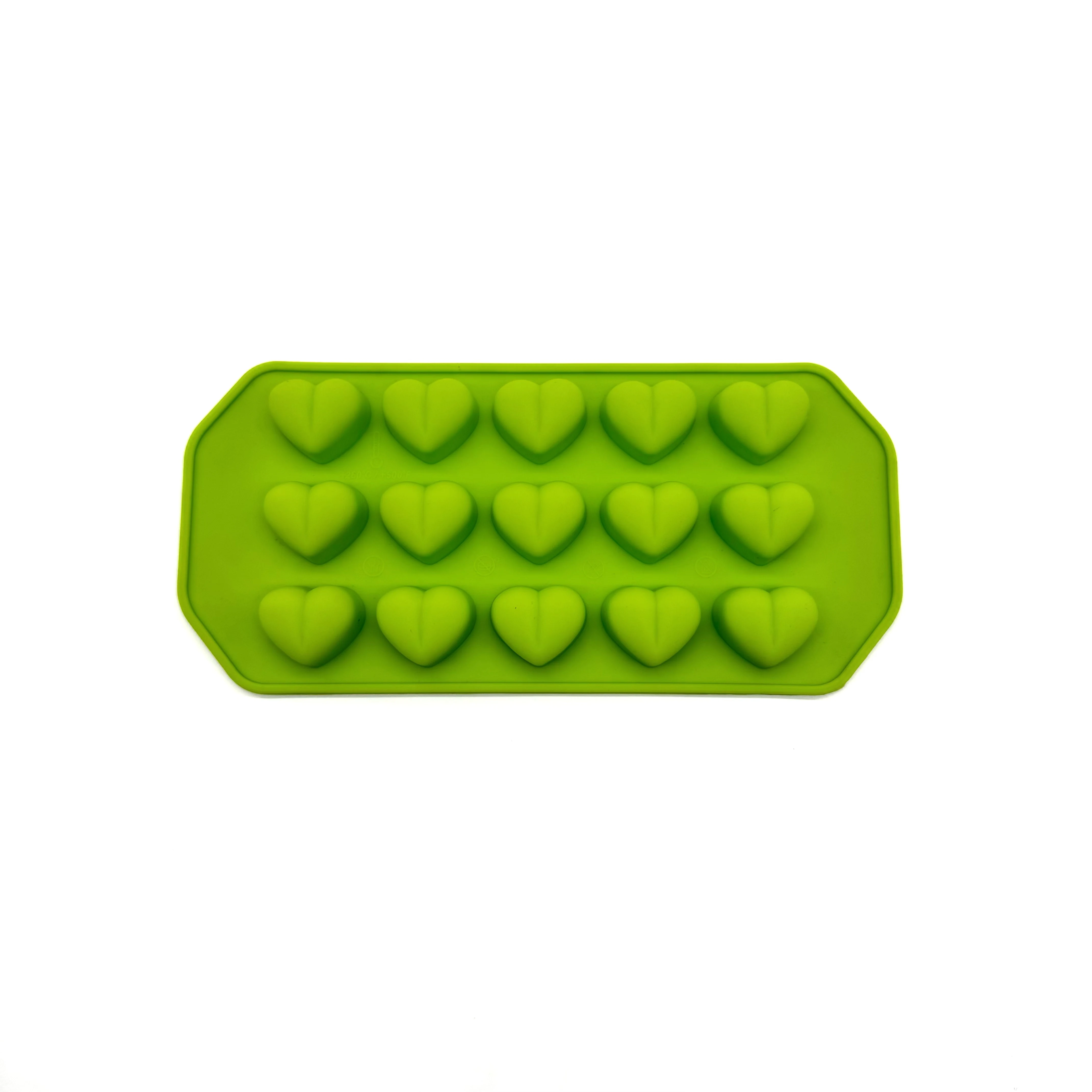
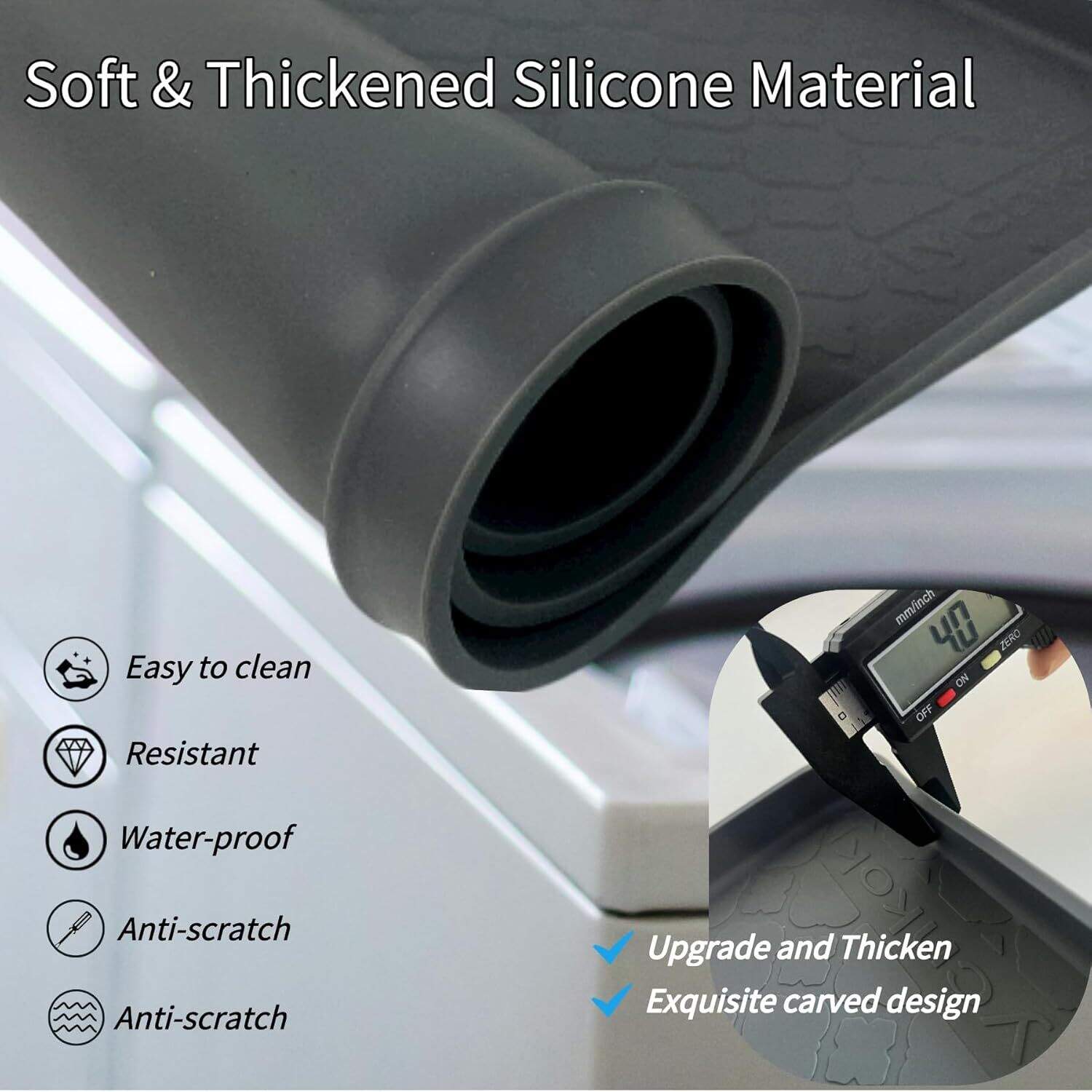
The price of silicone products varies significantly based on quality, complexity, and manufacturing processes. High-grade silicone products typically command premium prices due to their superior durability, heat resistance, and safety features. Industrial-grade silicone components often range from $5 to $500 per unit, while consumer-grade items like kitchenware and personal care products generally fall between $2 and $50. Medical-grade silicone products, which require strict quality control and certification, can cost substantially more, sometimes reaching thousands of dollars per unit. The pricing structure also reflects the sophisticated manufacturing technologies employed, including injection molding, compression molding, and liquid silicone rubber (LSR) processing. Custom silicone products often incur additional costs due to tooling and setup requirements. Market factors such as raw material availability, production scale, and global demand significantly influence pricing dynamics. Manufacturers often offer volume discounts, with bulk orders reducing per-unit costs by 20-50%. The longevity and performance characteristics of silicone products often justify their initial investment, as they typically outlast cheaper alternatives made from conventional materials.

New Product Releases

The pricing structure of silicone products offers several compelling advantages for consumers and businesses alike. First, the cost-to-performance ratio is exceptionally favorable, as silicone products typically last 3-5 times longer than traditional alternatives, resulting in lower long-term expenses. The scalability of silicone manufacturing allows for significant cost reductions in bulk orders, making it economically viable for both small businesses and large corporations. Additionally, the price point reflects the material's superior properties, including temperature resistance from -50°C to 250°C, chemical inertness, and exceptional durability, which reduce replacement and maintenance costs. The versatility of silicone enables manufacturers to create custom solutions without excessive price premiums, particularly beneficial for specialized applications. Modern production techniques have made high-quality silicone products more accessible, with prices becoming increasingly competitive as technology advances. The material's compliance with various international safety standards, including FDA and EU regulations, justifies its pricing while providing peace of mind regarding product safety. Environmental considerations also factor into the pricing, as silicone's long lifespan and recyclability contribute to reduced waste and lower environmental impact costs. The pricing structure typically includes comprehensive quality assurance measures, ensuring consistent product performance and reliability. This combination of durability, versatility, and safety features makes silicone products a cost-effective choice across numerous applications.

Tips And Tricks

What Makes a Silicone Gasket More Durable Than Rubber?

27

Jun

What Makes a Silicone Gasket More Durable Than Rubber?

View More
What Applications Benefit Most from Silicone Gaskets?

27

Jun

What Applications Benefit Most from Silicone Gaskets?

View More
How to Choose a Safe and Durable Silicone Bowl?

27

Jun

How to Choose a Safe and Durable Silicone Bowl?

View More
How Does a Silicone Gasket Improve Sealing Performance?

27

Jun

How Does a Silicone Gasket Improve Sealing Performance?

View More

Get a Free Quote

Our representative will contact you soon.
Email
Name
Company Name
Message
0/1000

price of silicone products

Cost-Effective Quality Assurance

Cost-Effective Quality Assurance

The pricing structure of silicone products incorporates comprehensive quality control measures that ensure consistent performance and reliability. Manufacturers invest in advanced testing equipment and procedures, conducting rigorous assessments throughout the production process. These quality assurance protocols typically include durometer testing for hardness, elongation tests for flexibility, and comprehensive chemical analysis to verify material composition. The cost allocation for these measures typically represents 15-20% of the final product price, but this investment translates into exceptional product consistency and reliability. Quality control measures also include batch testing and certification documentation, particularly crucial for medical and food-grade applications. This systematic approach to quality assurance significantly reduces the risk of product failures and associated costs, making the initial price point more economical in the long run.
Volume-Based Pricing Benefits

Volume-Based Pricing Benefits

The pricing model for silicone products features a sophisticated volume-based structure that offers substantial benefits for bulk purchasers. As production quantities increase, manufacturers can optimize their processes, resulting in lower per-unit costs. Typical volume discounts start at orders of 1000 units or more, with potential savings of 30-50% compared to small-quantity purchases. This scaling advantage extends to custom products, where initial tooling costs can be amortized across larger production runs. The volume pricing structure enables businesses to maintain competitive market positions while ensuring consistent product quality. Additionally, bulk purchasing often includes preferential lead times and dedicated customer support, adding value beyond mere cost savings.
Long-Term Value Proposition

Long-Term Value Proposition

The pricing of silicone products reflects their exceptional long-term value proposition, considering factors such as durability, maintenance requirements, and replacement cycles. High-quality silicone products typically maintain their performance characteristics for 10-15 years under normal use conditions, significantly outlasting conventional alternatives. This extended lifespan results in reduced replacement frequency and lower total ownership costs. The material's inherent resistance to environmental factors such as UV radiation, temperature extremes, and chemical exposure minimizes degradation-related expenses. When calculating the true cost of ownership, silicone products often demonstrate superior value despite higher initial prices, with maintenance costs typically 40-60% lower than traditional materials over the product lifecycle.
TopTop

Get a Free Quote

Our representative will contact you soon.
Email
Name
Company Name
Message
0/1000