
 EN
EN
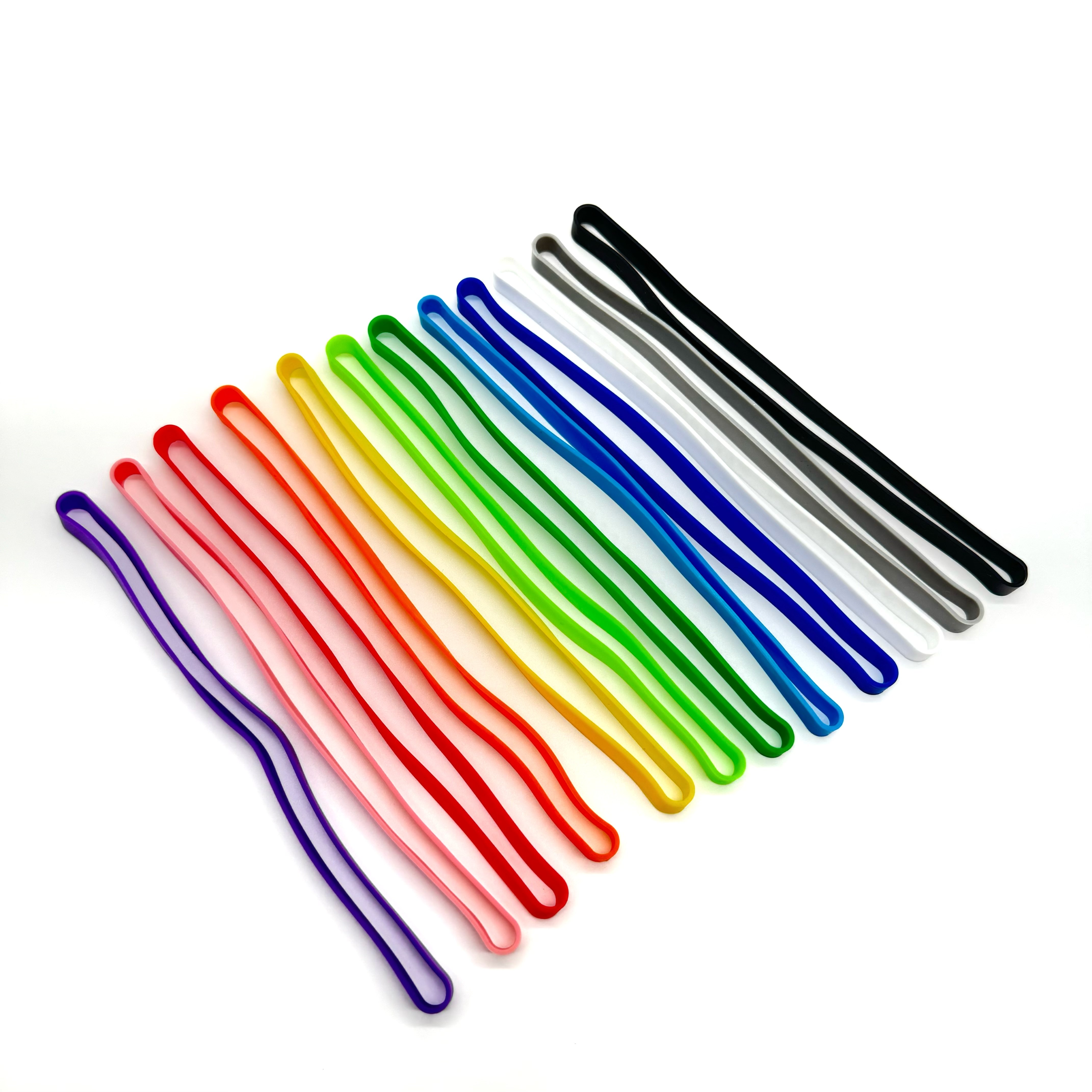
Cable management in industrial and commercial applications requires precise engineering solutions to ensure optimal performance and longevity. The silicone grommet has emerged as a critical component in protecting cables from environmental hazards while maintaining clean installations across diverse industries. These versatile rubber components serve as protective seals, preventing dust, moisture, and other contaminants from compromising cable integrity in challenging operating conditions.
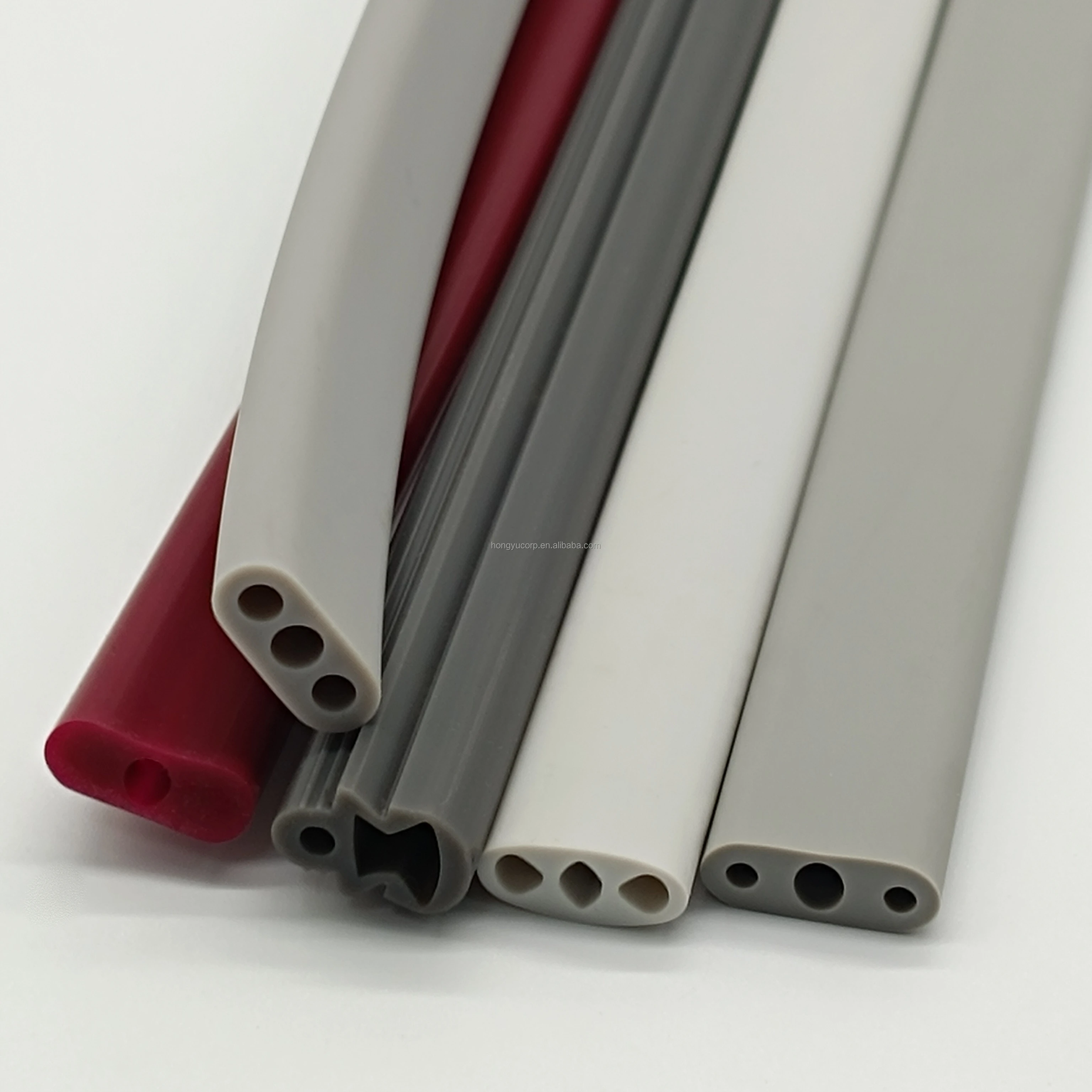
Understanding the customization process for cable-specific applications enables engineers and procurement specialists to specify the exact requirements for their unique installations. Modern manufacturing capabilities allow for precise tailoring of dimensions, durometer ratings, and specialized features to match specific cable diameters and environmental conditions. This comprehensive approach to customization ensures that each silicone grommet delivers maximum protection while maintaining ease of installation and long-term reliability.
Material Properties and Selection Criteria
Temperature Resistance Specifications
The fundamental advantage of silicone rubber in grommet applications lies in its exceptional temperature stability across extreme ranges. A properly formulated silicone grommet maintains its elastic properties from -65°F to 400°F, making it suitable for applications ranging from Arctic installations to high-temperature industrial environments. This temperature resistance stems from the unique silicon-oxygen backbone structure that provides superior thermal stability compared to conventional rubber materials.
Customization for temperature-specific applications involves adjusting the silicone formulation to optimize performance within the expected operating range. High-temperature applications may require specialized platinum-cured silicones with enhanced thermal oxidation resistance, while extreme cold applications benefit from low-temperature grade formulations that maintain flexibility at sub-zero temperatures. The selection process considers both continuous operating temperatures and potential temperature excursions during system operation.
Chemical Compatibility Requirements
Chemical resistance represents another critical customization parameter for silicone grommet applications in harsh environments. Standard silicone formulations provide excellent resistance to ozone, UV radiation, and most industrial chemicals, but specific applications may require enhanced resistance to particular substances. Customization involves selecting appropriate silicone grades and potentially incorporating specialized additives to improve resistance to specific chemicals encountered in the application environment.
The evaluation process for chemical compatibility includes testing against actual environmental conditions or known chemical exposure scenarios. This ensures that the selected silicone grommet formulation will maintain its sealing properties and structural integrity throughout the expected service life. Specialized testing protocols can validate performance against specific chemicals, concentrations, and exposure durations relevant to the intended application.
Dimensional Customization Techniques
Precision Molding Capabilities
Modern injection molding technology enables precise dimensional control for silicone grommet production, allowing customization to exact cable specifications and panel thicknesses. The molding process can accommodate complex geometries including multiple cable passages, integrated strain reliefs, and specialized sealing features. Advanced tooling design ensures consistent dimensional accuracy across production runs while maintaining the tight tolerances required for effective sealing performance.
Customization through precision molding allows for optimization of critical dimensions including inner diameter, outer diameter, and overall length to match specific installation requirements. The process can incorporate features such as tapered entries for easier cable insertion, stepped diameters for multiple cable sizes, and integrated mounting flanges for secure panel attachment. These geometric customizations ensure optimal fit and function in the intended application environment.
Multi-Cable Configuration Options
Complex installations often require a single silicone grommet to accommodate multiple cables of varying sizes while maintaining effective sealing around each individual cable. Customization for multi-cable applications involves designing specialized internal geometries that provide individual sealing chambers for each cable while maintaining structural integrity of the overall component. This approach eliminates the need for multiple individual grommets while ensuring comprehensive protection for complex cable bundles.
The design process for multi-cable configurations requires careful analysis of cable routing, bend radii, and potential movement during operation. Advanced modeling techniques help optimize the internal geometry to minimize stress concentrations while ensuring adequate sealing pressure around each cable. Manufacturing considerations include tooling complexity and molding parameters to achieve consistent quality across all sealing surfaces within the component.
Durometer Selection and Performance Optimization
Hardness Matching for Application Requirements
The durometer rating of a silicone grommet directly impacts its sealing performance, installation characteristics, and service life in cable management applications. Customization of durometer properties allows optimization for specific installation requirements, balancing ease of cable insertion against sealing effectiveness and long-term stability. Softer formulations facilitate easier installation but may compromise sealing performance under high-pressure conditions, while harder formulations provide superior sealing but require more installation force.
Selection methodology considers factors including expected installation forces, panel material properties, cable flexibility, and environmental pressure differentials. The optimal durometer for each application represents a balance between these competing requirements, often requiring custom testing to validate performance under actual operating conditions. Manufacturing capabilities allow for precise durometer control within tight tolerances to ensure consistent performance across production quantities.
Stress Distribution Analysis
Advanced finite element analysis techniques enable optimization of silicone grommet geometry to minimize stress concentrations while maximizing sealing effectiveness. Customization based on stress analysis helps predict service life and identify potential failure modes under specific loading conditions. This analytical approach ensures that the customized silicone grommet will perform reliably throughout its intended service life without premature failure due to stress-related degradation.
The analysis process considers static loads from installation forces, dynamic loads from cable movement, and environmental stresses from temperature cycling and chemical exposure. Results guide geometry optimization to distribute stresses evenly throughout the component while maintaining critical sealing surfaces. This engineering approach to customization ensures robust performance in demanding applications where failure could result in significant system downtime or safety concerns.
Surface Treatment and Coating Options
Anti-Static Properties Integration
Electronic and sensitive equipment applications often require silicone grommet components with controlled electrical properties to prevent static buildup and discharge. Customization for anti-static applications involves incorporating conductive additives or applying specialized surface treatments to achieve the required electrical performance. These modifications maintain the beneficial properties of silicone rubber while providing controlled conductivity to dissipate static charges safely.
The customization process for anti-static properties requires careful balance between conductivity and other performance requirements such as sealing effectiveness and environmental resistance. Testing protocols validate electrical performance under various environmental conditions to ensure consistent anti-static properties throughout the service life. Manufacturing considerations include material handling procedures to maintain the integrity of conductive additives throughout the production process.
Enhanced Grip Texturing
Installation efficiency and security can be improved through customized surface texturing that enhances grip during handling and installation procedures. Specialized molding techniques create controlled surface patterns that improve tactile feedback while maintaining smooth cable contact surfaces. This customization approach reduces installation time and improves consistency across multiple installations while preserving the essential sealing and protective functions of the silicone grommet.
Texture design considerations include pattern depth, spacing, and orientation to optimize grip effectiveness without creating stress concentrations or interfering with sealing performance. The texturing process can be integrated into the primary molding operation or applied as a secondary process depending on the complexity of the required pattern. Quality control procedures ensure consistent texture properties across production runs while maintaining dimensional accuracy of critical sealing surfaces.
Quality Assurance and Testing Protocols
Environmental Simulation Testing
Comprehensive testing protocols validate silicone grommet performance under simulated environmental conditions that replicate actual service requirements. Customized testing programs consider specific temperature cycles, chemical exposure scenarios, and mechanical loading patterns relevant to the intended application. These rigorous evaluation procedures ensure that customized components will perform reliably throughout their expected service life under actual operating conditions.
Testing methodology includes accelerated aging studies to predict long-term performance characteristics and identify potential degradation mechanisms. Environmental chambers simulate temperature extremes, humidity variations, and chemical exposure scenarios to validate material selection and geometric optimization decisions. Results from comprehensive testing inform design refinements and manufacturing process optimization to ensure consistent quality in production quantities.
Dimensional Verification Standards
Precision measurement techniques ensure that customized silicone grommet components meet specified dimensional tolerances across all critical features. Advanced metrology equipment validates both geometric accuracy and surface finish quality to ensure consistent sealing performance and installation characteristics. Statistical process control methods monitor production consistency and identify potential variations before they impact product quality.
Quality assurance protocols include incoming material verification, in-process monitoring, and final inspection procedures to maintain consistent product quality. Dimensional verification encompasses both mechanical measurements and functional testing to ensure that geometric accuracy translates into effective sealing performance. Documentation procedures provide traceability throughout the manufacturing process and support continuous improvement initiatives.
Installation Considerations and Best Practices
Panel Preparation Requirements
Successful installation of customized silicone grommet components requires proper panel preparation to ensure optimal sealing performance and component longevity. Surface preparation procedures remove contaminants and create optimal conditions for effective sealing contact between the silicone grommet and panel material. Hole sizing and edge finishing requirements ensure proper fit without excessive stress that could compromise sealing performance or component integrity.
Installation guidelines specify proper tools and techniques to minimize installation forces while ensuring complete seating of the silicone grommet in the panel opening. Proper installation procedures prevent damage to sealing surfaces and ensure consistent performance across multiple installations. Training programs help installation personnel understand the specific requirements for customized components and avoid common installation errors that could compromise system performance.
Cable Routing Optimization
Effective cable routing through customized silicone grommet assemblies requires consideration of bend radii, thermal expansion, and potential movement during system operation. Routing optimization minimizes stress on both the cables and the silicone grommet while maintaining effective sealing around each cable. Proper strain relief techniques distribute mechanical loads to prevent damage to sealing interfaces or cable conductors.
Installation procedures address proper cable preparation including stripping sequences, connector attachment, and protective covering application. The routing process considers future maintenance requirements and potential cable additions or modifications that might affect the silicone grommet installation. Documentation procedures ensure that installation details are recorded for future reference and maintenance planning purposes.
FAQ
What factors determine the optimal durometer for a silicone grommet in cable applications
The optimal durometer for a silicone grommet depends on several key factors including installation force requirements, sealing pressure specifications, and environmental conditions. Softer durometers around 40-50 Shore A facilitate easier cable insertion and conform better to irregular surfaces, while harder durometers of 60-80 Shore A provide superior sealing under high-pressure conditions. The selection process must balance installation convenience against long-term sealing performance, considering factors such as panel material thickness, expected temperature variations, and potential chemical exposure that could affect material properties over time.
How do temperature extremes affect silicone grommet customization requirements
Temperature extremes significantly influence silicone grommet customization, requiring specific formulation adjustments to maintain performance across the expected operating range. High-temperature applications above 300°F typically require platinum-cured silicones with enhanced thermal stability and specialized additives to prevent degradation. Low-temperature applications below -40°F need formulations that maintain flexibility and sealing effectiveness without becoming brittle. The customization process includes thermal cycling tests to validate performance under actual temperature variations and may incorporate geometric adjustments to compensate for differential thermal expansion between the silicone grommet and surrounding materials.
Can a single silicone grommet accommodate multiple cables of different sizes
Yes, customized silicone grommet designs can effectively accommodate multiple cables of different sizes through specialized internal geometries that create individual sealing chambers for each cable. The customization process involves precise molding of stepped or tapered internal passages that provide optimal sealing pressure around each cable diameter while maintaining structural integrity. Advanced designs may incorporate removable inserts or adjustable sealing elements to accommodate future cable changes. Manufacturing considerations include complex tooling requirements and specialized molding techniques to achieve consistent sealing performance across all cable passages within a single component.
What testing procedures validate customized silicone grommet performance
Comprehensive testing procedures for customized silicone grommet validation include environmental simulation testing, dimensional verification, and functional performance evaluation under actual service conditions. Environmental testing encompasses temperature cycling, chemical exposure, and accelerated aging studies to predict long-term performance characteristics. Functional testing validates sealing effectiveness under specified pressure differentials, installation force measurements, and cable retention testing. Quality assurance protocols include statistical process control monitoring, batch testing procedures, and traceability documentation to ensure consistent performance across production quantities. Specialized testing may include electrical property verification for anti-static applications or flame resistance testing for safety-critical installations.
Table of Contents
- Material Properties and Selection Criteria
- Dimensional Customization Techniques
- Durometer Selection and Performance Optimization
- Surface Treatment and Coating Options
- Quality Assurance and Testing Protocols
- Installation Considerations and Best Practices
-
FAQ
- What factors determine the optimal durometer for a silicone grommet in cable applications
- How do temperature extremes affect silicone grommet customization requirements
- Can a single silicone grommet accommodate multiple cables of different sizes
- What testing procedures validate customized silicone grommet performance