
 EN
EN

Manufacturing industries across automotive, aerospace, and industrial equipment sectors rely heavily on effective sealing solutions to ensure operational integrity and safety. Among the most versatile and widely adopted sealing components, silicone gasket technology stands out for its exceptional performance characteristics and adaptability to diverse applications. The specification process for these critical components involves multiple engineering considerations, material properties analysis, and application-specific requirements that determine optimal sealing performance.
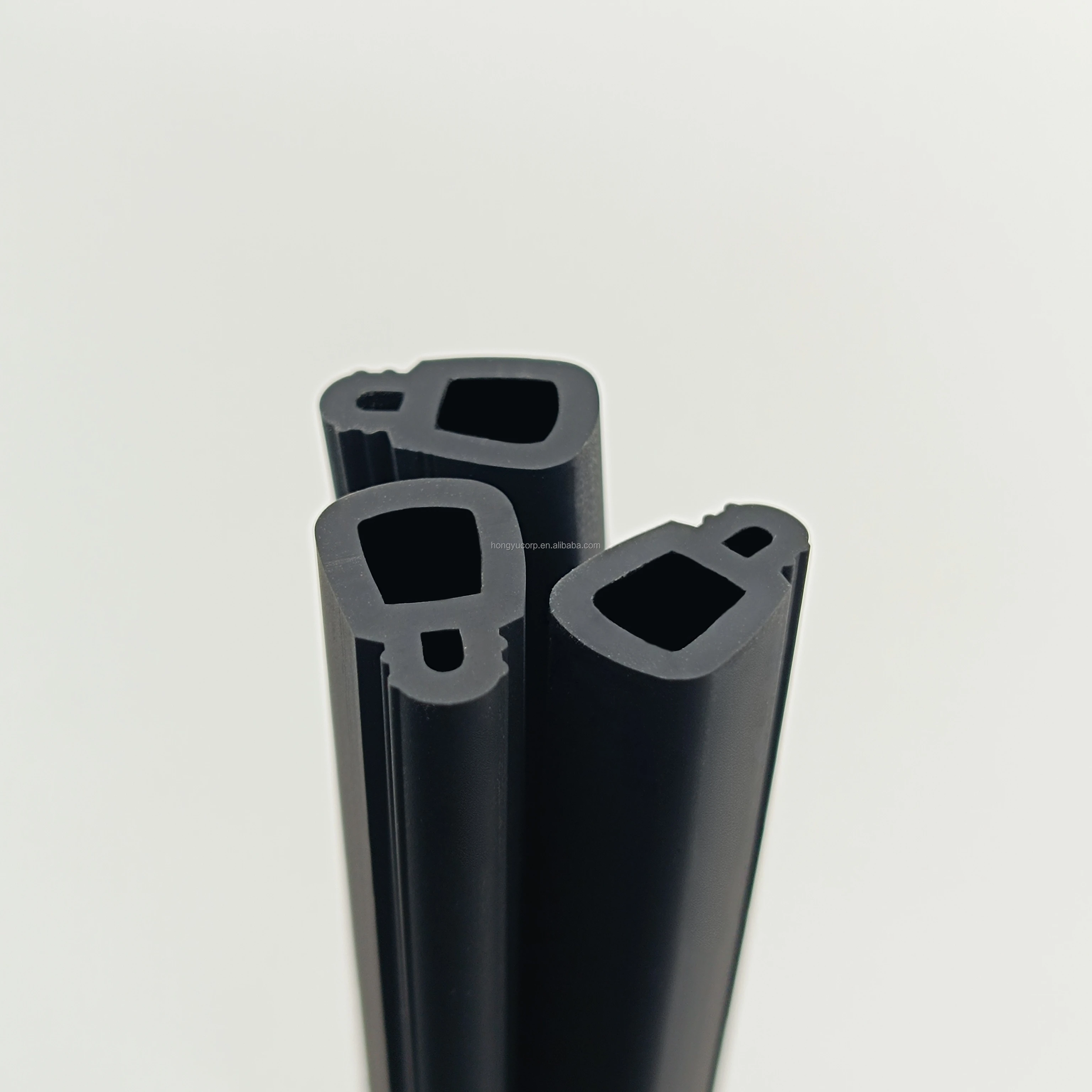
Engineers and procurement specialists must navigate complex technical specifications when selecting sealing solutions for their applications. The silicone gasket specification process encompasses material grade selection, dimensional tolerancing, surface finish requirements, and environmental compatibility factors. Understanding these fundamental aspects enables manufacturers to make informed decisions that optimize both performance and cost-effectiveness in their sealing systems.
Material Properties and Performance Characteristics
Temperature Resistance and Thermal Stability
Silicone gasket materials exhibit outstanding temperature resistance capabilities, typically maintaining flexibility and sealing integrity across temperature ranges from -65°C to +230°C. This exceptional thermal stability makes them ideal for applications involving extreme temperature variations or continuous high-temperature exposure. The molecular structure of silicone polymers provides inherent resistance to thermal degradation, ensuring long-term performance reliability in demanding environments.
Manufacturers must consider the specific temperature cycling requirements of their applications when specifying silicone gasket materials. Different silicone formulations offer varying degrees of thermal performance, with specialized high-temperature grades capable of withstanding temperatures exceeding 300°C for short-term exposure. The coefficient of thermal expansion also plays a crucial role in maintaining seal integrity during temperature fluctuations.
Chemical Compatibility and Resistance
The chemical resistance properties of silicone gasket materials significantly influence their suitability for specific applications. Silicone exhibits excellent resistance to water, alcohols, and many organic solvents, while showing limited resistance to concentrated acids, bases, and hydrocarbon fuels. Understanding the chemical environment is essential for proper material selection and long-term performance prediction.
Manufacturers should conduct comprehensive chemical compatibility testing when specifying silicone gasket materials for applications involving exposure to aggressive chemicals or mixed chemical environments. The permeation rates of various substances through silicone materials must be evaluated to ensure compliance with safety and environmental regulations. Specialized silicone formulations with enhanced chemical resistance properties are available for challenging applications.
Dimensional Specifications and Tolerancing
Critical Dimension Control
Precise dimensional control is paramount when specifying silicone gasket components for effective sealing performance. Manufacturing tolerances must account for the inherent flexibility of silicone materials while ensuring proper compression and sealing force distribution. Standard tolerance ranges typically fall within ±0.1mm for critical sealing surfaces, though tighter tolerances may be required for high-precision applications.
The compression characteristics of silicone gasket materials directly influence the dimensional specifications required for optimal sealing. Manufacturers must consider the durometer (hardness) of the silicone compound, as softer materials require different compression ratios compared to harder formulations. Proper dimensional specification ensures adequate sealing force without over-compression that could lead to material degradation or installation difficulties.
Surface Finish and Texture Requirements
Surface finish specifications play a critical role in silicone gasket performance, particularly in applications requiring high-integrity sealing. Smooth surface finishes typically provide superior sealing capabilities by minimizing leak paths and ensuring uniform contact pressure distribution. Manufacturers should specify surface roughness parameters, typically ranging from 0.8 to 3.2 micrometers Ra for most sealing applications.
Textured surfaces may be specified for certain applications where enhanced grip or anti-slip properties are required. The texture pattern and depth must be carefully controlled to maintain sealing effectiveness while providing the desired functional characteristics. Surface treatment options, including plasma treatment or chemical etching, can be specified to enhance adhesion properties when bonding is required.
Application-Specific Considerations
Environmental Exposure Requirements
Environmental conditions significantly impact silicone gasket performance and longevity, requiring careful consideration during the specification process. Ultraviolet radiation exposure, ozone levels, humidity variations, and atmospheric pressure changes all affect material behavior and sealing effectiveness. Manufacturers must evaluate the complete environmental profile of their applications to select appropriate silicone gasket formulations.
Outdoor applications typically require UV-stabilized silicone gasket materials to prevent degradation from solar radiation exposure. Marine environments demand enhanced resistance to salt water and humidity, while industrial applications may require protection against specific atmospheric contaminants. The expected service life under these conditions directly influences material selection and specification requirements.
Mechanical Loading and Stress Distribution
Mechanical loading conditions determine the structural requirements for silicone gasket applications, including compression force, tensile strength, and fatigue resistance. Dynamic sealing applications involve cyclic loading that requires careful evaluation of material fatigue characteristics and compression set properties. Static sealing applications focus on long-term compression resistance and creep behavior under sustained loading.
The installation method and assembly sequence significantly influence the mechanical stress distribution in silicone gasket systems. Manufacturers must specify appropriate installation torque values, compression percentages, and assembly procedures to ensure optimal sealing performance. Finite element analysis may be employed for complex geometries or critical applications to predict stress concentrations and optimize design parameters.
Quality Standards and Testing Protocols
Industry Standards Compliance
Silicone gasket specifications must align with relevant industry standards and regulatory requirements specific to the target application. Automotive applications typically require compliance with ASTM D2000 or SAE J200 standards, while food-grade applications must meet FDA CFR 21.177.2600 regulations. Medical device applications may require USP Class VI certification and biocompatibility testing according to ISO 10993 standards.
Aerospace and defense applications often require compliance with military specifications such as MIL-R-25988 or AMS standards, which define specific performance criteria and testing protocols. The specification process must include verification that the selected silicone gasket materials meet all applicable standards and that appropriate documentation is provided by the supplier.
Performance Validation Testing
Comprehensive testing protocols ensure that specified silicone gasket materials meet performance requirements under actual operating conditions. Standard test methods include compression set testing per ASTM D395, tensile strength evaluation according to ASTM D412, and tear resistance measurement using ASTM D624. These fundamental property tests provide baseline performance data for material comparison and selection.
Application-specific testing may include leak rate measurement, pressure cycling, temperature aging, and chemical exposure testing. Accelerated aging tests help predict long-term performance characteristics and service life expectations. Manufacturers should establish acceptance criteria for each test parameter and require supplier certification of compliance with specified performance levels.
Manufacturing Process Considerations
Production Methods and Capabilities
The manufacturing process selection significantly impacts silicone gasket quality, cost, and delivery requirements. Compression molding offers excellent dimensional control and surface finish for high-volume production, while injection molding provides rapid cycle times and complex geometry capabilities. Die-cutting methods are suitable for simple shapes and prototype development, offering flexibility in small-volume applications.
Manufacturers must evaluate supplier capabilities and production capacity when specifying silicone gasket components. Quality system certifications such as ISO 9001, TS 16949, or AS9100 may be required depending on the application sector. The supplier's process controls, inspection procedures, and traceability systems should align with the specified quality requirements and regulatory compliance needs.
Cost Optimization Strategies
Effective cost optimization in silicone gasket specification requires balancing performance requirements with manufacturing economics. Standardization of gasket designs across multiple applications can achieve significant cost reductions through volume consolidation and tooling amortization. Material grade selection should consider the minimum performance requirements rather than over-specifying premium grades unnecessarily.
Value engineering approaches can identify opportunities for design simplification, material optimization, and manufacturing process improvements. Long-term partnerships with qualified silicone gasket suppliers often result in better pricing, improved quality consistency, and enhanced technical support. Total cost of ownership analysis should include material costs, tooling investments, quality costs, and lifecycle considerations.
FAQ
What factors determine the appropriate durometer for a silicone gasket application
The appropriate durometer selection depends on the required sealing force, surface irregularities of mating components, and installation constraints. Softer durometers (30-50 Shore A) provide better conformability to surface imperfections but may require higher compression forces. Harder durometers (60-80 Shore A) offer better dimensional stability and lower compression set but may not seal effectively on rough surfaces. The application environment, including temperature and pressure conditions, also influences optimal durometer selection.
How do environmental conditions affect silicone gasket material selection
Environmental conditions significantly impact material performance and service life. Temperature extremes require selection of appropriate silicone grades with suitable glass transition temperatures and thermal stability. Chemical exposure necessitates compatibility testing and potential selection of specialized formulations with enhanced resistance properties. UV exposure, ozone levels, and humidity variations may require additional stabilizers or protective treatments to maintain long-term performance characteristics.
What testing is required to validate silicone gasket performance specifications
Comprehensive testing protocols typically include physical property verification, environmental exposure testing, and application-specific performance validation. Standard tests encompass tensile strength, elongation, compression set, and durometer measurements according to ASTM standards. Environmental testing may include thermal aging, ozone resistance, and chemical compatibility evaluation. Application-specific tests such as leak rate measurement, pressure cycling, and fatigue testing provide validation of actual operating performance.
How can manufacturers optimize silicone gasket specifications for cost-effectiveness
Cost optimization strategies include standardizing gasket designs across applications, selecting appropriate material grades without over-specification, and leveraging volume consolidation opportunities. Design simplification can reduce tooling costs and manufacturing complexity while maintaining performance requirements. Long-term supplier partnerships often provide better pricing and technical support benefits. Total cost analysis should consider material costs, tooling investments, quality expenses, and lifecycle performance to identify optimal specification approaches.
Table of Contents
- Material Properties and Performance Characteristics
- Dimensional Specifications and Tolerancing
- Application-Specific Considerations
- Quality Standards and Testing Protocols
- Manufacturing Process Considerations
-
FAQ
- What factors determine the appropriate durometer for a silicone gasket application
- How do environmental conditions affect silicone gasket material selection
- What testing is required to validate silicone gasket performance specifications
- How can manufacturers optimize silicone gasket specifications for cost-effectiveness