
 EN
EN

When sourcing sealing solutions for industrial applications, understanding the critical performance specifications of silicone gasket materials becomes paramount for ensuring reliable operation under varying environmental conditions. The compression set resistance and temperature tolerance of these elastomeric components directly influence their longevity and effectiveness in demanding operational environments. Engineers and procurement professionals must carefully evaluate these technical parameters to select the appropriate sealing materials that will maintain their integrity throughout the expected service life of the application.
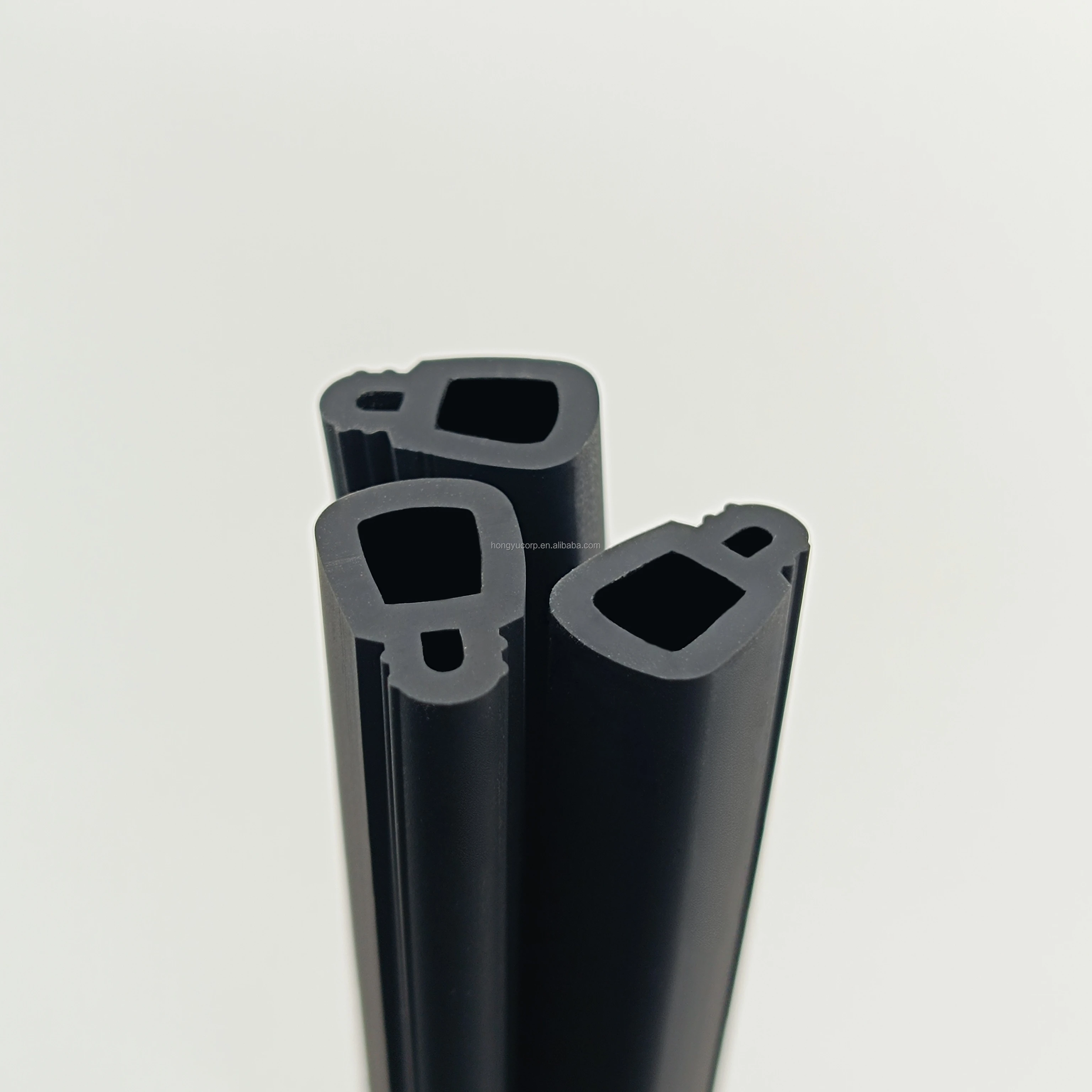
Understanding Compression Set Characteristics in Sealing Applications
Defining Compression Set Performance Standards
Compression set represents the permanent deformation that occurs when a silicone gasket is compressed under load for an extended period and then released. This critical property determines how well the sealing material will maintain its original thickness and sealing capability after prolonged compression. Industry standards typically measure compression set as a percentage of the original thickness that remains permanently deformed after a standardized test period under specific temperature and compression conditions.
The measurement methodology involves compressing the silicone gasket to a predetermined percentage of its original thickness, maintaining this compression at elevated temperature for a specified duration, then releasing the load and measuring the permanent deformation. Lower compression set values indicate superior elastic recovery and longer service life in sealing applications. Most high-quality silicone compounds achieve compression set values between 15-25% under standard test conditions.
Application-Specific Compression Requirements
Different industrial applications demand varying levels of compression set performance from silicone gasket materials. Static sealing applications in automotive engines require excellent compression set resistance to maintain effective sealing over thousands of thermal cycles. The dynamic nature of these environments places additional stress on the sealing materials, making compression set performance a critical selection criterion for maintaining long-term reliability.
Food processing equipment applications often require silicone gasket materials with exceptional compression set resistance combined with FDA compliance for direct food contact. These dual requirements necessitate careful material selection to ensure both regulatory compliance and mechanical performance throughout the expected service intervals. The frequent cleaning cycles and temperature variations in food processing environments place additional demands on the compression set characteristics of sealing materials.
Temperature Rating Considerations for Industrial Sealing
High Temperature Performance Characteristics
The high-temperature performance of silicone gasket materials represents one of their most significant advantages over conventional rubber compounds. Standard silicone formulations typically maintain their sealing properties at continuous operating temperatures up to 200°C (392°F), while specialized high-temperature grades can withstand continuous exposure to temperatures exceeding 300°C (572°F) without significant degradation of mechanical properties.
The thermal stability of silicone gasket compounds results from their unique silicon-oxygen backbone structure, which provides inherent resistance to thermal oxidation and degradation. This molecular structure allows silicone materials to maintain their flexibility and sealing effectiveness across a much broader temperature range compared to organic rubber compounds. The exceptional high-temperature performance makes silicone gaskets particularly suitable for aerospace, automotive, and industrial heating applications where conventional materials would fail.
Low Temperature Flexibility Requirements
While high-temperature performance often receives primary attention, the low-temperature characteristics of silicone gasket materials are equally important for many applications. Standard silicone compounds maintain their flexibility and sealing capability at temperatures as low as -65°C (-85°F), significantly outperforming most conventional rubber materials in cold temperature environments. This broad temperature range capability makes silicone gaskets ideal for applications subject to extreme temperature variations.
The glass transition temperature of silicone materials remains well below typical operating temperatures, ensuring that the gasket material maintains its elastic properties and sealing effectiveness even in sub-zero conditions. This characteristic proves particularly valuable in outdoor applications, refrigeration systems, and aerospace applications where temperature fluctuations are common. The ability of silicone gasket materials to maintain consistent performance across such wide temperature ranges reduces the need for seasonal maintenance and gasket replacement in variable temperature environments.
Material Selection Criteria for Optimal Performance
Durometer and Hardness Specifications
The durometer rating of silicone gasket materials directly influences their compression and sealing characteristics under various loading conditions. Shore A durometer measurements typically range from 30 to 90 for sealing applications, with softer compounds providing better conformability to irregular surfaces while harder compounds offer improved extrusion resistance under high pressure conditions. The selection of appropriate durometer ratings must balance sealing effectiveness with mechanical durability based on specific application requirements.
Softer silicone gasket compounds with durometer ratings between 40-60 Shore A excel in low-pressure sealing applications where surface conformability is critical for effective sealing. These materials readily deform to fill surface irregularities and provide reliable sealing with minimal compression force. Conversely, harder compounds with durometer ratings above 70 Shore A offer superior resistance to extrusion and mechanical damage in high-pressure applications while maintaining adequate flexibility for effective sealing.
Chemical Compatibility and Environmental Resistance
The chemical resistance properties of silicone gasket materials vary significantly depending on the specific polymer formulation and curing system employed during manufacturing. Standard peroxide-cured silicone compounds offer excellent resistance to water, alcohols, and many organic solvents while providing good resistance to oxidizing chemicals and ozone exposure. However, these materials may show limited resistance to hydrocarbon fuels, oils, and certain aromatic solvents that can cause swelling or degradation over time.
Specialized fluorosilicone gasket formulations provide enhanced chemical resistance for applications involving exposure to fuels, hydraulic fluids, and aggressive chemical environments. These advanced materials combine the temperature stability and flexibility of silicone with improved resistance to hydrocarbon-based fluids. The selection between standard silicone gasket materials and specialized fluorosilicone grades depends on the specific chemical exposure requirements and the criticality of long-term sealing performance in the intended application.
Quality Standards and Testing Protocols
Industry Certification Requirements
Quality assurance for silicone gasket materials involves comprehensive testing protocols that evaluate both mechanical and chemical performance characteristics under standardized conditions. ASTM standards provide detailed test methodologies for measuring compression set, tensile strength, elongation, and tear resistance properties that directly influence sealing performance. These standardized tests enable reliable comparison between different material grades and suppliers while ensuring consistent quality across production batches.
Regulatory compliance requirements for silicone gasket materials vary significantly depending on the intended application and industry sector. Food processing applications require FDA approval for direct food contact, while pharmaceutical applications may require USP Class VI certification. Aerospace applications often demand compliance with stringent military specifications that include extensive testing for outgassing, flame resistance, and long-term stability under extreme environmental conditions.
Accelerated Aging and Durability Testing
Accelerated aging tests provide valuable insights into the long-term performance characteristics of silicone gasket materials under elevated temperature and stress conditions. These tests typically involve exposure to elevated temperatures, mechanical stress, and environmental conditions that accelerate the aging process to predict long-term performance within compressed timeframes. The results of accelerated aging tests help engineers select materials with adequate durability for the expected service life of the application.
Thermal cycling tests evaluate the ability of silicone gasket materials to maintain their sealing effectiveness through repeated temperature variations that simulate real-world operating conditions. These tests involve cycling the materials through specified temperature ranges while maintaining compression loads to assess the cumulative effects of thermal expansion and contraction on sealing performance. The results provide critical data for applications subject to frequent temperature variations, such as automotive and industrial heating systems.
Manufacturing and Processing Considerations
Molding and Fabrication Techniques
The manufacturing process for silicone gasket components significantly influences their final performance characteristics and dimensional accuracy. Compression molding remains the most common production method for high-volume applications, offering excellent dimensional control and surface finish quality while maintaining consistent material properties throughout the molded part. The molding parameters, including temperature, pressure, and cure time, must be carefully optimized to achieve the desired mechanical properties and dimensional specifications.
Liquid injection molding techniques enable the production of complex silicone gasket geometries with exceptional dimensional accuracy and minimal waste material. This advanced manufacturing process allows for the integration of multiple sealing functions within a single molded component while maintaining consistent wall thickness and material properties. The ability to mold complex geometries directly reduces assembly time and potential leak paths compared to assembled gasket systems using multiple components.
Quality Control and Inspection Procedures
Comprehensive quality control procedures for silicone gasket manufacturing include dimensional inspection, visual examination, and mechanical property verification to ensure consistent product quality. Dimensional measurements verify that molded components meet specified tolerances for critical sealing surfaces and mounting features. Visual inspection identifies surface defects, flash, or other molding irregularities that could compromise sealing performance or component installation.
Statistical process control methods enable manufacturers to monitor production consistency and identify potential quality issues before they affect finished product performance. Regular sampling and testing of mechanical properties such as durometer, tensile strength, and compression set ensure that material characteristics remain within specified limits throughout production runs. This proactive approach to quality control minimizes the risk of field failures and maintains customer confidence in silicone gasket reliability.
FAQ
What compression set percentage is considered acceptable for long-term sealing applications
For most industrial sealing applications, compression set values below 25% are considered acceptable for long-term performance, while premium applications may require values below 15%. The specific requirement depends on the criticality of the seal, expected service life, and environmental conditions. Lower compression set values indicate better elastic recovery and longer sealing effectiveness, making them preferable for critical applications where seal failure could result in significant operational or safety issues.
How do temperature cycling effects impact silicone gasket performance over time
Temperature cycling subjects silicone gasket materials to repeated thermal expansion and contraction that can gradually degrade their sealing effectiveness over time. Each thermal cycle induces stress in the material that can lead to micro-cracking, permanent deformation, or changes in mechanical properties. High-quality silicone gasket compounds are formulated to minimize these effects, but the cumulative impact of thermal cycling must be considered when estimating service life and maintenance intervals for sealing systems.
What are the key differences between peroxide and platinum-cured silicone gaskets
Peroxide-cured silicone gasket materials typically offer excellent mechanical properties and chemical resistance at lower cost, making them suitable for most general industrial applications. Platinum-cured silicones provide superior purity, lower extractables, and better biocompatibility, making them preferred for food processing, pharmaceutical, and medical applications. The curing system also affects processing characteristics, with platinum-cured materials offering faster cure times and better dimensional stability during manufacturing.
How should silicone gasket materials be stored to maintain their performance characteristics
Proper storage of silicone gasket materials requires protection from direct sunlight, extreme temperatures, and contamination sources that could affect their performance characteristics. Storage temperatures should remain between 5°C and 25°C with relative humidity below 70% to prevent accelerated aging or degradation. Materials should be stored in sealed containers away from sources of ozone, such as electrical equipment, which can cause surface cracking and reduced flexibility in silicone compounds over time.
Table of Contents
- Understanding Compression Set Characteristics in Sealing Applications
- Temperature Rating Considerations for Industrial Sealing
- Material Selection Criteria for Optimal Performance
- Quality Standards and Testing Protocols
- Manufacturing and Processing Considerations
-
FAQ
- What compression set percentage is considered acceptable for long-term sealing applications
- How do temperature cycling effects impact silicone gasket performance over time
- What are the key differences between peroxide and platinum-cured silicone gaskets
- How should silicone gasket materials be stored to maintain their performance characteristics