
 EN
EN

Industrial applications across various sectors demand precise sealing solutions that can withstand extreme conditions while maintaining their integrity over extended periods. A silicone gasket represents one of the most versatile and reliable sealing components available in modern manufacturing, offering exceptional performance characteristics that make it indispensable across countless industrial applications. The customization of these sealing solutions involves sophisticated engineering processes that transform standard materials into specialized components designed to meet specific operational requirements and environmental challenges.
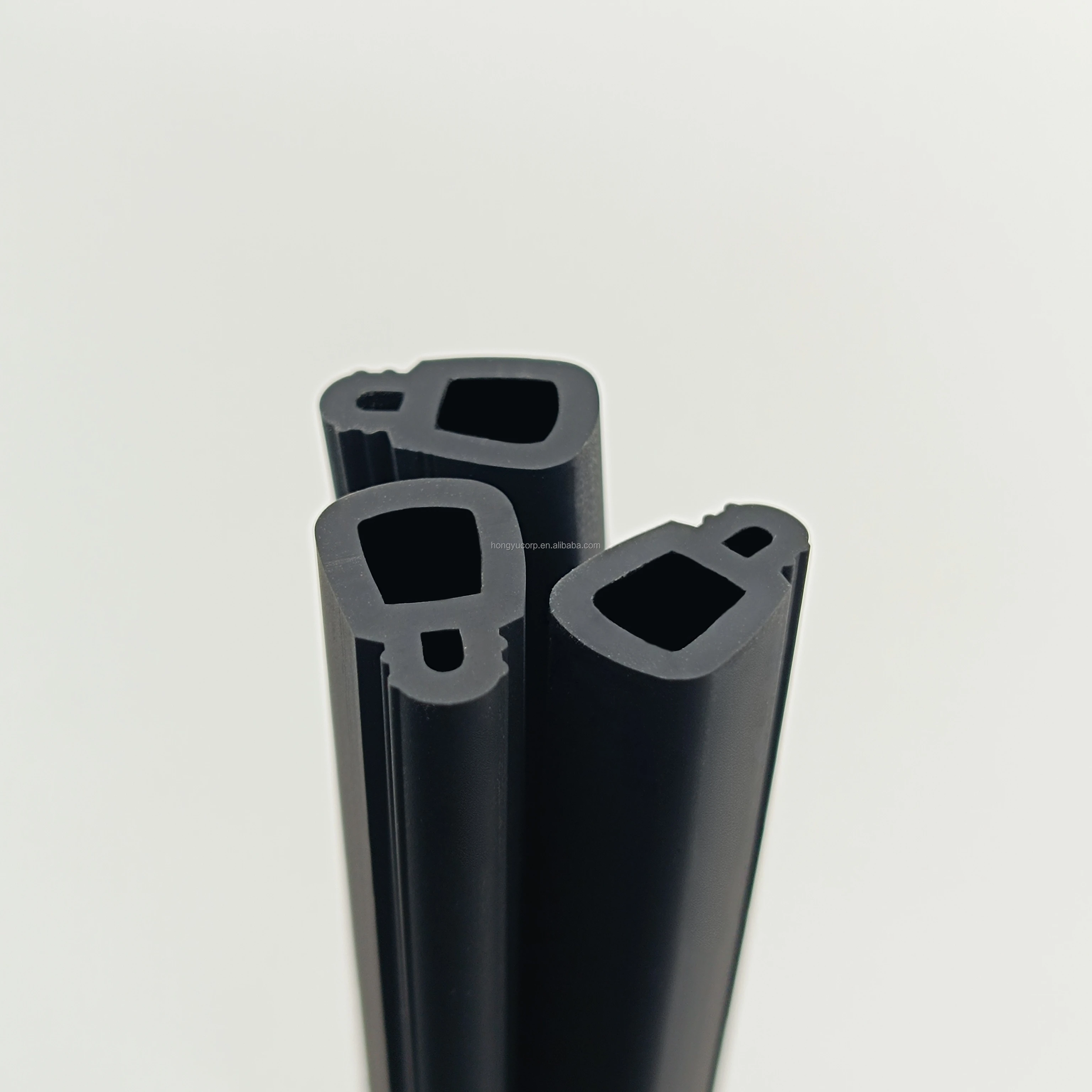
Manufacturing industries require sealing solutions that can accommodate unique dimensional specifications, temperature ranges, and chemical compatibility requirements. The process of customizing sealing components involves careful analysis of operational parameters, environmental factors, and performance expectations to ensure optimal functionality. Each silicone gasket must be engineered to deliver consistent performance while maintaining cost-effectiveness and production efficiency.
The growing complexity of industrial systems has created an increasing demand for specialized sealing solutions that can adapt to diverse applications. From automotive manufacturing to pharmaceutical processing, the ability to customize gasket properties ensures that critical systems maintain their operational integrity while meeting stringent industry standards and regulatory requirements.
Understanding Silicone Gasket Material Properties
Temperature Resistance Characteristics
The exceptional temperature resistance of silicone materials makes them ideal for applications requiring performance across wide temperature ranges. Standard silicone gasket formulations can operate continuously in temperatures ranging from negative 65 degrees Celsius to positive 200 degrees Celsius, with specialized formulations extending these limits even further. This thermal stability ensures consistent sealing performance regardless of environmental temperature fluctuations.
High-temperature applications such as automotive engine components and industrial heating systems benefit from the thermal stability that silicone materials provide. The molecular structure of silicone polymers maintains flexibility and sealing properties even under extreme heat exposure, preventing degradation that commonly affects other gasket materials.
Low-temperature performance is equally important in applications such as refrigeration systems and outdoor equipment exposed to harsh winter conditions. The silicone gasket maintains its elasticity and sealing capabilities in sub-zero environments where traditional rubber materials become brittle and prone to failure.
Chemical Compatibility and Resistance
Chemical resistance represents another critical advantage of silicone gasket materials in industrial applications. These sealing components demonstrate excellent resistance to various oils, solvents, and aggressive chemicals commonly encountered in industrial processes. The inert nature of silicone polymers prevents chemical degradation that could compromise sealing integrity.
Specialized silicone formulations can be customized to provide enhanced resistance to specific chemical environments. Industries such as chemical processing, pharmaceutical manufacturing, and food production require gaskets that maintain their properties when exposed to cleaning agents, sanitizers, and process chemicals.
The biocompatibility of food-grade silicone gasket materials makes them essential for applications involving direct contact with consumable products. These specialized formulations meet strict regulatory requirements while providing reliable sealing performance in food processing and beverage manufacturing equipment.
Customization Methods and Manufacturing Processes
Compression Molding Techniques
Compression molding represents the most common method for producing custom silicone gasket components with precise dimensional specifications. This manufacturing process involves placing uncured silicone material into heated molds designed to create the exact shape and dimensions required for specific applications. The controlled heating and pressure cycles ensure complete curing while maintaining dimensional accuracy.
The flexibility of compression molding allows manufacturers to create complex gasket geometries that accommodate irregular sealing surfaces and specialized mounting configurations. Multi-cavity molds enable efficient production of multiple gasket components simultaneously, reducing manufacturing costs while maintaining quality consistency.
Custom tooling development for compression molding ensures that each silicone gasket meets exact specifications for thickness, hardness, and surface finish. The precision achievable through this process makes it ideal for applications requiring tight tolerances and consistent performance characteristics.
Extrusion and Die-Cutting Processes
Extrusion processes enable the production of continuous silicone gasket profiles that can be cut to specific lengths and configured for various sealing applications. This method is particularly effective for creating gaskets with consistent cross-sectional profiles that must maintain uniform sealing properties along their entire length.
Die-cutting operations allow manufacturers to create custom shapes from extruded silicone sheets or tubes, providing cost-effective solutions for applications requiring specific outline configurations. The precision of modern die-cutting equipment ensures clean edges and accurate dimensions while minimizing material waste.
Combining extrusion and die-cutting processes enables the production of silicone gasket components with complex geometries that incorporate both continuous profiles and custom-shaped sections. This hybrid approach optimizes manufacturing efficiency while meeting specific application requirements.
Industry-Specific Customization Requirements
Automotive Industry Applications
The automotive industry demands silicone gasket solutions that can withstand the harsh operating conditions encountered in vehicle systems. Engine compartments expose sealing components to high temperatures, vibration, and automotive fluids that require specialized material formulations and design considerations.
Custom automotive gaskets must accommodate the space constraints and mounting configurations typical of modern vehicle designs. The silicone gasket components used in door seals, window systems, and engine compartments require precise dimensional control to ensure proper fit and function while maintaining the aesthetic appearance required for consumer applications.
Regulatory compliance for automotive applications includes meeting safety standards for flame resistance, toxicity, and environmental impact. Specialized silicone formulations ensure that gasket materials contribute to overall vehicle safety while providing long-term sealing performance under normal operating conditions.
Pharmaceutical and Medical Device Sealing
Pharmaceutical manufacturing requires silicone gasket materials that meet stringent purity and biocompatibility standards while providing reliable contamination prevention. These applications demand materials that can withstand repeated sterilization cycles without degrading or releasing contaminants that could compromise product quality.
Medical device applications require custom gasket solutions that maintain sealing integrity while accommodating the precise dimensional requirements of sensitive equipment. The silicone gasket components used in medical devices must demonstrate consistent performance while meeting regulatory approval requirements for patient safety.
Cleanroom environments in pharmaceutical and medical device manufacturing require gaskets that minimize particle generation while providing effective sealing. Specialized surface treatments and material formulations ensure that silicone gasket components contribute to maintaining the controlled environment necessary for these critical applications.
Design Considerations for Custom Applications
Dimensional Specifications and Tolerances
Achieving proper sealing performance requires careful consideration of dimensional specifications and manufacturing tolerances for custom silicone gasket applications. The compression characteristics of silicone materials must be balanced against the available space and mounting hardware to ensure optimal sealing force without over-compression that could cause material failure.
Groove design and gasket cross-section geometry significantly impact sealing performance and longevity. The relationship between gasket thickness, groove depth, and compression ratio determines the contact pressure and sealing effectiveness while preventing excessive stress that could lead to premature failure.
Thermal expansion considerations become critical in applications where temperature variations could affect gasket dimensions and sealing performance. Custom designs must account for dimensional changes in both the silicone gasket material and the components being sealed to maintain effective sealing across the operating temperature range.
Surface Finish and Texture Requirements
Surface finish specifications for custom silicone gasket applications depend on the sealing requirements and aesthetic considerations of the specific application. Smooth surfaces provide optimal sealing against machined metal components, while textured surfaces may be required for applications involving grip or specific visual appearance requirements.
Special surface treatments can enhance the performance characteristics of silicone gasket materials for specific applications. Plasma treatment, chemical etching, or coating applications can modify surface properties to improve adhesion, reduce friction, or enhance chemical resistance.
Color and appearance requirements often influence the customization process for consumer-facing applications. The silicone gasket materials can be formulated in various colors and translucency levels to meet aesthetic requirements while maintaining essential performance characteristics.
Quality Control and Testing Procedures
Material Property Verification
Comprehensive quality control procedures ensure that custom silicone gasket materials meet specified performance requirements before integration into critical applications. Physical property testing includes verification of hardness, tensile strength, elongation, and compression set resistance to confirm material consistency and performance capability.
Chemical resistance testing validates the ability of silicone gasket materials to withstand exposure to specific chemicals and environmental conditions encountered in the intended application. Accelerated aging tests simulate long-term exposure conditions to predict service life and performance degradation over time.
Temperature cycling tests verify the performance stability of silicone gasket materials across their intended operating temperature range. These tests identify potential failure modes and confirm that sealing performance remains consistent despite thermal stress and expansion cycles.
Dimensional Inspection and Conformance
Precision measurement and inspection procedures ensure that custom silicone gasket components meet dimensional specifications required for proper fit and function. Coordinate measuring machines and optical inspection systems provide accurate verification of critical dimensions and geometric tolerances.
Statistical process control methods monitor manufacturing consistency and identify trends that could affect product quality. Regular sampling and measurement procedures ensure that production processes remain within specified control limits while maintaining dimensional accuracy.
Functional testing procedures simulate actual operating conditions to verify that silicone gasket components perform as expected in their intended applications. These tests validate sealing effectiveness, durability, and compatibility with mating components under realistic operating conditions.
Installation and Maintenance Considerations
Proper Installation Techniques
Successful performance of custom silicone gasket applications depends heavily on proper installation techniques that ensure optimal sealing without damaging the gasket material. Installation procedures must account for the compression characteristics and flexibility of silicone materials to achieve the intended sealing force.
Surface preparation requirements for gasket installation include cleaning procedures that remove contaminants without damaging either the gasket material or the sealing surfaces. Proper cleaning ensures that the silicone gasket can form an effective seal without interference from oils, debris, or chemical residues.
Assembly sequence and torque specifications must be carefully followed to prevent gasket damage or uneven compression that could compromise sealing performance. The flexibility of silicone materials requires controlled assembly procedures that distribute sealing forces evenly across the gasket surface.
Maintenance and Replacement Guidelines
Preventive maintenance procedures help maximize the service life of silicone gasket installations while identifying potential issues before they result in system failures. Regular inspection schedules should account for the operating environment and stress levels that affect gasket performance over time.
Replacement criteria for silicone gasket components should be based on visual inspection findings, performance testing results, and operational history. The long service life of silicone materials often makes replacement scheduling challenging, requiring careful evaluation of actual condition rather than time-based replacement intervals.
Documentation and record-keeping procedures help track gasket performance and identify patterns that could inform future customization decisions. Maintenance records provide valuable data for optimizing replacement intervals and improving custom gasket designs for similar applications.
FAQ
What factors determine the customization requirements for industrial silicone gaskets
The customization requirements for industrial silicone gasket applications are determined by several critical factors including operating temperature range, chemical exposure conditions, dimensional constraints, and regulatory compliance requirements. The specific industrial application dictates the material formulation, hardness specification, and geometric design parameters necessary to achieve optimal sealing performance while meeting safety and environmental standards.
How do manufacturers ensure dimensional accuracy in custom silicone gasket production
Manufacturers ensure dimensional accuracy through precision tooling design, controlled manufacturing processes, and comprehensive quality control procedures. Custom molds and dies are manufactured to precise specifications using advanced machining techniques, while process parameters such as temperature, pressure, and curing time are carefully controlled to minimize dimensional variation. Statistical process control and regular inspection procedures verify that finished components meet specified tolerances.
What testing procedures validate the performance of custom silicone gaskets
Performance validation of custom silicone gasket solutions involves comprehensive testing procedures including material property verification, dimensional inspection, and functional performance testing. Physical property tests confirm hardness, tensile strength, and chemical resistance characteristics, while dimensional inspection ensures conformance to specifications. Functional testing simulates actual operating conditions to verify sealing effectiveness and durability under realistic stress conditions.
How long do custom silicone gaskets typically maintain their sealing performance
The service life of custom silicone gasket applications varies significantly based on operating conditions, material formulation, and installation quality, but properly designed and installed gaskets typically maintain effective sealing performance for 10 to 20 years or more. Factors such as temperature cycling, chemical exposure, and mechanical stress affect longevity, while high-quality silicone materials and appropriate design specifications can extend service life considerably beyond that of conventional gasket materials.
Table of Contents
- Understanding Silicone Gasket Material Properties
- Customization Methods and Manufacturing Processes
- Industry-Specific Customization Requirements
- Design Considerations for Custom Applications
- Quality Control and Testing Procedures
- Installation and Maintenance Considerations
-
FAQ
- What factors determine the customization requirements for industrial silicone gaskets
- How do manufacturers ensure dimensional accuracy in custom silicone gasket production
- What testing procedures validate the performance of custom silicone gaskets
- How long do custom silicone gaskets typically maintain their sealing performance