
 EN
EN

Modern industrial applications demand materials that can withstand extreme conditions while maintaining exceptional performance. Among the most versatile solutions available today, the silicone tube stands out as a superior choice for applications requiring both flexibility and high-temperature resistance. These specialized tubes have revolutionized numerous industries by providing reliable performance where traditional materials fail, offering engineers and manufacturers a dependable solution for their most challenging requirements.
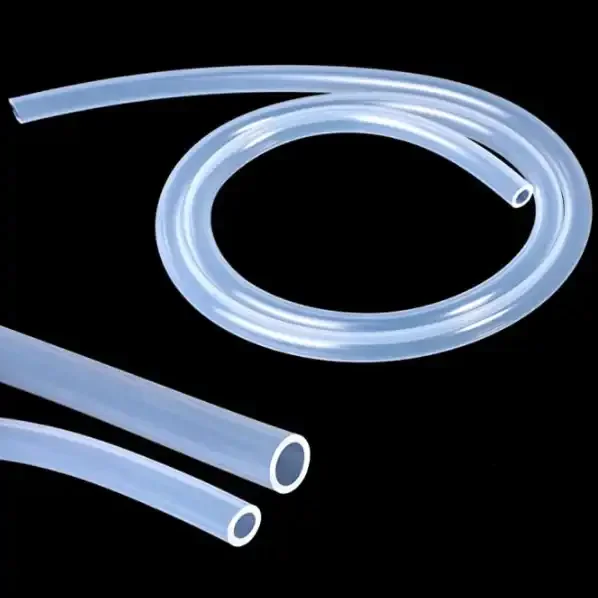
The unique molecular structure of silicone provides exceptional thermal stability and mechanical properties that make it an ideal material for tube manufacturing. Unlike conventional rubber or plastic tubes, a silicone tube maintains its integrity across a wide temperature range, typically from -65°C to 200°C, with some specialized variants capable of withstanding temperatures up to 300°C. This remarkable temperature resistance, combined with excellent flexibility, makes silicone tubes indispensable in industries ranging from medical devices to automotive systems.
Understanding the specific advantages and applications of silicone tubes is crucial for professionals seeking optimal solutions for their projects. The material's biocompatibility, chemical inertness, and durability have made it a preferred choice across multiple sectors. As industries continue to push the boundaries of performance requirements, the demand for high-quality silicone tube solutions continues to grow, driving innovation in manufacturing processes and material formulations.
Understanding Silicone Tube Construction and Properties
Molecular Structure and Material Composition
The exceptional properties of every silicone tube stem from its unique polymer structure, which consists of alternating silicon and oxygen atoms forming the backbone chain. This siloxane structure provides inherent thermal stability and flexibility that surpasses traditional organic polymers. The silicon-oxygen bonds are significantly stronger than carbon-carbon bonds found in conventional rubber, explaining why a silicone tube can maintain its properties across such extreme temperature ranges.
The manufacturing process involves cross-linking these polymer chains to create a three-dimensional network that provides mechanical strength while retaining flexibility. Various additives and catalysts can be incorporated during production to enhance specific properties such as tear resistance, compression set, or chemical compatibility. The resulting silicone tube exhibits excellent elasticity, allowing it to return to its original shape after deformation, making it ideal for dynamic applications.
Quality silicone tubes are typically manufactured using high-grade silicone compounds that meet stringent purity requirements. The absence of plasticizers, unlike many conventional flexible tubes, means that a silicone tube maintains consistent properties over time without degradation from plasticizer migration. This stability ensures long-term performance reliability in critical applications.
Temperature Resistance Characteristics
One of the most significant advantages of any silicone tube is its exceptional temperature resistance, which far exceeds that of conventional rubber or plastic alternatives. Standard silicone formulations can continuously operate at temperatures up to 200°C without significant property degradation, while maintaining flexibility at temperatures as low as -65°C. This wide operating temperature range makes silicone tubes suitable for applications involving thermal cycling and extreme temperature exposure.
The thermal stability of a silicone tube is particularly evident in its resistance to thermal oxidation and ozone degradation. Unlike organic rubbers that deteriorate when exposed to high temperatures and atmospheric oxygen, silicone maintains its structural integrity and performance characteristics. This resistance to thermal aging ensures that silicone tubes provide consistent performance throughout their service life, reducing maintenance requirements and system downtime.
Specialized high-temperature silicone formulations can withstand even more extreme conditions, with some grades capable of continuous operation at temperatures exceeding 250°C. These advanced formulations incorporate specific fillers and cross-linking systems that enhance thermal stability while maintaining the flexibility and durability characteristics that make silicone tubes so valuable in demanding applications.
Superior Flexibility and Mechanical Performance
Elasticity and Deformation Recovery
The remarkable flexibility of a silicone tube is one of its defining characteristics, enabling applications that would be impossible with rigid materials. The elastomeric properties of silicone allow tubes to be bent, twisted, and compressed while maintaining their structural integrity and returning to their original shape. This exceptional elasticity is maintained across the entire operating temperature range, ensuring consistent performance regardless of environmental conditions.
The low compression set of quality silicone tubes means they resist permanent deformation even after prolonged compression or bending. This property is crucial in applications where the silicone tube must maintain a seal or specific shape over extended periods. The ability to recover from deformation without losing sealing capability or dimensional accuracy makes silicone tubes ideal for dynamic sealing applications and flexible connections in moving systems.
Testing has demonstrated that a properly manufactured silicone tube can withstand millions of flexing cycles without failure, making it suitable for applications involving repeated movement or vibration. The fatigue resistance of silicone significantly exceeds that of conventional rubber materials, contributing to longer service life and reduced maintenance costs in mechanical systems.
Tensile Strength and Durability
Modern silicone tube manufacturing techniques have significantly improved the mechanical properties of these products, with high-quality tubes achieving tensile strengths comparable to many conventional rubber materials while maintaining superior temperature resistance. The tear resistance of silicone tubes has been enhanced through advanced compounding techniques that optimize the polymer network structure and incorporate reinforcing fillers.
The durability of a silicone tube extends beyond mechanical properties to include resistance to environmental factors such as UV radiation, ozone, and weathering. These characteristics ensure that silicone tubes maintain their performance when exposed to outdoor conditions or harsh industrial environments where other materials would degrade rapidly.
The long-term stability of silicone tubes is particularly evident in applications where they are subjected to continuous stress or cyclic loading. Unlike materials that exhibit stress relaxation over time, high-quality silicone formulations maintain their mechanical properties throughout their service life, ensuring consistent performance and reliability in critical applications.
Chemical Compatibility and Biocompatibility
Chemical Inertness and Resistance
The chemical inertness of silicone makes every silicone tube highly resistant to a wide range of chemicals, acids, bases, and solvents. This broad chemical compatibility expands the potential applications for silicone tubes across numerous industries where exposure to aggressive chemicals is common. The non-reactive nature of silicone ensures that the tube material does not contaminate the fluids or gases being transported, making it ideal for high-purity applications.
Silicone tubes demonstrate excellent resistance to oxidizing agents and maintain their properties when exposed to steam, hot water, and various cleaning agents. This chemical resistance, combined with the ability to withstand sterilization processes, makes a silicone tube particularly valuable in pharmaceutical and medical applications where contamination must be prevented and sterility maintained.
The hydrophobic nature of silicone surfaces provides additional advantages in certain applications by reducing the tendency for biological fouling or mineral deposits to accumulate. This characteristic helps maintain flow characteristics and reduces the frequency of cleaning required in systems handling water-based solutions or biological fluids.
Medical Grade and Food Safety Standards
Medical grade silicone tubes are manufactured to meet stringent biocompatibility requirements, including USP Class VI certification and FDA compliance for food contact applications. These specialized formulations undergo extensive testing to ensure they do not release harmful substances when in contact with biological fluids or food products, making them safe for direct human contact and consumption applications.
The non-toxic nature of medical grade silicone tube materials makes them suitable for implantable medical devices, pharmaceutical processing, and food and beverage applications. Unlike some plastic materials that may contain plasticizers or other additives of concern, properly formulated silicone tubes provide a safe alternative that meets the most demanding regulatory requirements.
Sterilization compatibility is another crucial advantage of medical grade silicone tubes, as they can withstand gamma radiation, ethylene oxide, and steam sterilization processes without property degradation. This compatibility with multiple sterilization methods provides flexibility in medical device manufacturing and ensures that a silicone tube can meet the specific sterilization requirements of different applications.
Industrial Applications and Performance Benefits
Automotive and Transportation Systems
The automotive industry relies heavily on silicone tubes for various applications where temperature resistance and durability are critical. Engine cooling systems, turbocharger connections, and air intake systems all benefit from the superior temperature resistance of silicone tubes. These applications often involve temperature cycling from ambient conditions to well over 150°C, conditions that would quickly degrade conventional rubber hoses.
In automotive applications, a silicone tube must also resist exposure to various automotive fluids, including coolants, oils, and fuel vapors. The chemical resistance of silicone, combined with its temperature stability, ensures long-term reliability in these demanding environments. The flexibility of silicone tubes also facilitates installation in tight spaces and allows for thermal expansion and contraction without stress cracking.
The vibration resistance of silicone tubes makes them particularly suitable for automotive applications where engine vibration and road conditions create continuous mechanical stress. Unlike rigid connections that may fail from fatigue, a properly designed silicone tube can absorb vibrations while maintaining its sealing integrity and fluid flow characteristics.
Medical and Pharmaceutical Equipment
Medical equipment manufacturers increasingly specify silicone tubes for applications involving patient contact, drug delivery, and diagnostic equipment. The biocompatibility and sterilization compatibility of medical grade silicone tubes make them essential components in devices such as ventilators, dialysis machines, and surgical instruments. The transparency available in many silicone formulations also allows for visual monitoring of fluid flow in medical applications.
Pharmaceutical processing equipment benefits from the purity and chemical inertness of silicone tubes, which prevent contamination of drug products during manufacturing. The smooth interior surface of a silicone tube reduces the risk of bacterial adhesion and facilitates cleaning validation, critical requirements in pharmaceutical manufacturing environments.
The temperature resistance of silicone tubes is particularly valuable in medical applications involving hot water sterilization or steam-in-place cleaning procedures. These processes require materials that can withstand repeated exposure to high-temperature steam without degradation, a requirement that silicone tubes meet exceptionally well.
Manufacturing Quality and Customization Options
Production Process Control
The manufacturing of high-quality silicone tubes requires precise control of mixing, curing, and quality assurance processes to ensure consistent properties and performance. Advanced manufacturing facilities employ automated mixing systems to achieve uniform dispersion of catalysts and additives throughout the silicone compound, resulting in consistent cross-linking and mechanical properties in the finished silicone tube.
Temperature control during the curing process is critical for achieving optimal properties in silicone tubes. Manufacturers utilize sophisticated oven systems with precise temperature profiling to ensure complete cross-linking while preventing over-curing that could lead to brittleness. The cooling process is equally important, with controlled cooling rates preventing internal stress that could affect the long-term performance of the silicone tube.
Quality control testing throughout the manufacturing process ensures that each batch of silicone tubes meets specified performance criteria. This testing includes physical property verification, dimensional accuracy checks, and performance testing under simulated operating conditions to validate the suitability of the silicone tube for its intended application.
Custom Formulations and Specifications
Leading manufacturers offer custom formulations for silicone tubes to meet specific application requirements that standard products cannot address. These custom formulations may involve adjusting hardness levels, enhancing specific chemical resistance, or optimizing temperature performance for extreme conditions. The ability to tailor the properties of a silicone tube to match application requirements provides significant advantages in specialized applications.
Dimensional customization is another important aspect of silicone tube manufacturing, with capabilities to produce tubes in a wide range of internal and external diameters, wall thicknesses, and lengths. Custom colors can also be incorporated into silicone tube formulations for identification purposes or aesthetic requirements, using pigments that do not compromise the material's performance characteristics.
Advanced manufacturing techniques allow for the production of silicone tubes with complex cross-sections, multiple lumens, or integrated features such as flanges or connectors. These customization capabilities enable engineers to optimize system designs and reduce assembly complexity while maintaining the superior performance characteristics of the silicone tube material.
Installation and Maintenance Considerations
Proper Installation Techniques
Proper installation of a silicone tube is essential for achieving optimal performance and service life. The flexibility of silicone tubes can be advantageous during installation, allowing for easier routing through complex geometries, but care must be taken to avoid excessive bending radii that could cause kinking or internal stress concentrations. Installation guidelines typically specify minimum bend radii based on the tube's diameter and wall thickness.
Connection methods for silicone tubes vary depending on the application requirements and operating conditions. Clamp-type connections are commonly used for removable applications, while permanent connections may utilize adhesive bonding or mechanical crimping techniques. The selection of appropriate connection hardware is crucial for maintaining the pressure rating and temperature capability of the silicone tube system.
Temperature considerations during installation are important, as silicone tubes may exhibit different handling characteristics at extreme temperatures. Cold temperatures can make silicone tubes temporarily stiffer, while elevated temperatures increase flexibility. Understanding these temperature effects helps ensure proper installation procedures and prevents damage during assembly.
Maintenance and Service Life
The maintenance requirements for silicone tubes are generally minimal due to their excellent aging resistance and chemical stability. Regular visual inspections can identify potential issues such as mechanical damage, excessive deformation, or surface degradation before they lead to system failure. The long service life typical of silicone tubes reduces replacement frequency and associated maintenance costs.
Cleaning procedures for silicone tubes should be compatible with the material's chemical resistance properties while effectively removing any accumulated deposits or contaminants. Many cleaning agents that would damage conventional rubber materials can be safely used with a silicone tube, providing flexibility in maintenance procedures and ensuring thorough cleaning when required.
Predictive maintenance strategies can be implemented based on the known performance characteristics of silicone tubes under specific operating conditions. Understanding the expected service life and failure modes allows for proactive replacement scheduling that prevents unexpected failures and maintains system reliability throughout the operational lifecycle.
FAQ
What temperature range can silicone tubes withstand
Standard silicone tubes can operate continuously in temperatures ranging from -65°C to 200°C, with specialized high-temperature formulations capable of withstanding up to 300°C. This exceptional temperature resistance makes silicone tubes suitable for applications involving extreme heat or cold where conventional rubber materials would fail. The material maintains its flexibility and mechanical properties throughout this entire temperature range.
How do silicone tubes compare to conventional rubber hoses
Silicone tubes offer superior temperature resistance, better chemical compatibility, and longer service life compared to conventional rubber hoses. While initial costs may be higher, the extended service life and reduced maintenance requirements of a silicone tube often result in lower total cost of ownership. Additionally, silicone tubes provide better flexibility retention over time and resist aging effects such as cracking and hardening.
Are silicone tubes safe for food and medical applications
Medical grade and food grade silicone tubes are specifically formulated to meet FDA and USP Class VI requirements for safety in contact with food products and biological fluids. These specialized formulations undergo extensive biocompatibility testing and do not contain harmful plasticizers or additives. The non-toxic nature and sterilization compatibility make silicone tubes ideal for pharmaceutical, medical device, and food processing applications.
What factors should be considered when selecting a silicone tube
Key factors include operating temperature range, chemical compatibility with transported fluids, pressure requirements, dimensional specifications, and any regulatory compliance needs. The specific grade of silicone tube should match the application requirements, whether medical grade for healthcare applications or specialized formulations for extreme temperature or chemical resistance. Proper sizing and wall thickness selection ensure optimal performance and service life in the intended application.