
 EN
EN
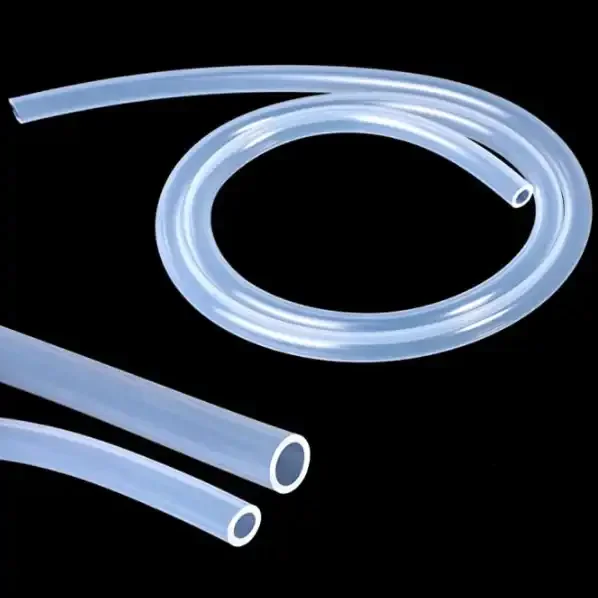
Food-grade silicone tube has become an indispensable component across numerous industrial applications where safety, durability, and regulatory compliance are paramount. These specialized tubes offer exceptional chemical resistance, temperature stability, and biocompatibility that make them ideal for handling consumable products and sensitive materials. Industries ranging from food processing to pharmaceutical manufacturing rely heavily on food-grade silicone tube solutions to maintain product integrity and meet stringent safety standards. Understanding the diverse applications and benefits of these tubes helps manufacturers make informed decisions about their fluid handling systems and equipment specifications.
Food Processing Industry Applications
Beverage Production Systems
The beverage industry extensively utilizes food-grade silicone tube for various production processes including juice extraction, wine making, and soft drink manufacturing. These tubes facilitate the safe transfer of liquids from processing tanks to bottling equipment without contaminating the final product. Food-grade silicone tube maintains its flexibility even at extreme temperatures, making it perfect for hot filling operations and cold storage applications. The non-porous surface prevents bacterial growth and flavor absorption, ensuring that beverages retain their intended taste profiles throughout the production cycle.
Dairy processing facilities depend on food-grade silicone tube for milk pasteurization systems, cream separation processes, and cheese production lines. The tubes' ability to withstand repeated sterilization cycles using steam cleaning and chemical sanitizers makes them cost-effective for long-term operations. Their smooth interior surface minimizes pressure drops and reduces cleaning time between different product runs, improving overall production efficiency.
Meat and Poultry Processing
Meat processing plants employ food-grade silicone tube in various applications including brine injection systems, vacuum packaging equipment, and rendering processes. These tubes excel in environments where exposure to oils, fats, and cleaning chemicals is constant. The exceptional tear resistance and flexibility of food-grade silicone tube ensure reliable performance even in demanding mechanical processing equipment. Processing facilities benefit from reduced maintenance costs and extended service life compared to traditional rubber or plastic tubing materials.
Poultry processing operations utilize these tubes for scalding systems, evisceration equipment, and chilling processes where temperature fluctuations are extreme. The food-grade silicone tube material maintains its integrity across temperature ranges from -60°C to 200°C, making it suitable for both freezing and cooking applications within the same facility.
Pharmaceutical and Medical Device Manufacturing
Drug Production and Filling Operations
Pharmaceutical manufacturers rely on food-grade silicone tube for liquid drug production, tablet coating processes, and sterile filling operations. These applications require materials that meet strict USP Class VI and FDA regulations while providing consistent performance under sterile conditions. The biocompatible nature of food-grade silicone tube ensures that pharmaceutical products remain uncontaminated during manufacturing and packaging processes. Clean-in-place systems utilize these tubes to maintain sterile environments without requiring frequent replacement or extensive cleaning procedures.
Biotechnology companies use food-grade silicone tube in bioreactor systems, cell culture equipment, and protein purification processes where maintaining sterile conditions is critical. The tubes' resistance to gamma radiation sterilization and autoclave processes makes them ideal for repeated sterilization cycles without degradation. Their chemical inertness prevents leaching of additives or plasticizers that could compromise sensitive biological processes or research results.
Medical Equipment Integration
Medical device manufacturers incorporate food-grade silicone tube into diagnostic equipment, surgical instruments, and patient care devices. These tubes provide reliable fluid pathways in blood analyzers, dialysis machines, and infusion pumps where patient safety is paramount. The transparency of certain silicone formulations allows for visual monitoring of fluid flow and detection of air bubbles or contaminants during medical procedures.
Laboratory equipment manufacturers utilize food-grade silicone tube in analytical instruments, sample handling systems, and automated testing equipment. The tubes' resistance to solvents, acids, and bases ensures accurate test results without interference from tubing materials. Their consistent performance across multiple cleaning and sterilization cycles reduces maintenance requirements and improves laboratory productivity.
Cosmetics and Personal Care Industry
Production Line Integration
Cosmetics manufacturers employ food-grade silicone tube in mixing systems, filling equipment, and packaging lines where product purity is essential. These tubes prevent contamination of sensitive formulations including skincare products, makeup, and hair care items. The non-reactive nature of food-grade silicone tube ensures that active ingredients maintain their efficacy without degradation from tubing materials. Manufacturers benefit from reduced product waste and improved quality control through consistent material performance.
Personal care product facilities use these tubes for lotion pumping systems, shampoo dispensing equipment, and cream filling machines. The flexibility and durability of food-grade silicone tube allow for complex routing configurations in automated production lines while maintaining sanitary conditions. Their resistance to oils, fragrances, and preservatives commonly found in cosmetic formulations extends service life and reduces replacement costs.
Quality Control and Testing Applications
Quality assurance laboratories in the cosmetics industry rely on food-grade silicone tube for sample handling, testing equipment, and analytical instruments. These tubes provide contamination-free sample transfer for stability testing, microbiological analysis, and chemical composition verification. The inert properties of food-grade silicone tube prevent false test results caused by material interactions with cosmetic ingredients or testing reagents.
Research and development facilities use these tubes in prototype formulation equipment, small-batch production systems, and experimental processing lines. The consistent performance characteristics of food-grade silicone tube allow researchers to accurately scale up formulations from laboratory to production environments without material-related variables affecting product outcomes.
Chemical Processing and Specialty Applications
Specialty Chemical Manufacturing
Chemical processing facilities utilize food-grade silicone tube for handling specialty chemicals, solvents, and reagents where material compatibility is critical. These tubes excel in applications involving aggressive chemicals that would degrade conventional tubing materials. The broad chemical resistance of food-grade silicone tube makes it suitable for processes involving acids, bases, and organic solvents commonly used in chemical synthesis operations.
Catalyst preparation systems, reaction monitoring equipment, and product purification processes benefit from the stability and reliability of food-grade silicone tube. Their ability to maintain flexibility at low temperatures makes them ideal for cryogenic applications and winter outdoor installations where other materials become brittle and fail.
Environmental and Safety Applications
Environmental monitoring systems employ food-grade silicone tube in water sampling equipment, air quality analyzers, and emissions testing devices. These tubes provide reliable sample pathways without introducing contaminants that could affect environmental measurements. The UV resistance of food-grade silicone tube makes it suitable for outdoor installations and long-term exposure applications where other materials degrade rapidly.
Safety equipment manufacturers integrate these tubes into emergency shower systems, eyewash stations, and chemical spill response equipment. The chemical resistance and temperature stability of food-grade silicone tube ensure reliable operation during emergency situations when equipment failure could have serious consequences.
Advantages and Performance Characteristics
Temperature and Chemical Resistance
Food-grade silicone tube offers exceptional performance across extreme temperature ranges, maintaining flexibility and sealing properties from -60°C to 200°C continuously, with short-term exposure capabilities up to 250°C. This temperature stability makes it ideal for applications involving steam sterilization, hot filling processes, and frozen product handling within the same system. The material's resistance to thermal cycling prevents cracking and hardening that commonly affect other elastomeric materials.
Chemical compatibility is another key advantage of food-grade silicone tube, with resistance to acids, bases, alcohols, and many organic solvents. This broad chemical resistance eliminates the need for multiple tubing materials in facilities handling diverse product lines. The non-polar nature of silicone prevents absorption of flavors, odors, and colors from processed materials, maintaining product quality and preventing cross-contamination between different production runs.
Regulatory Compliance and Safety
Food-grade silicone tube meets stringent regulatory requirements including FDA 21 CFR 177.2600, USP Class VI, and European Union Regulation 10/2011 for food contact materials. These certifications ensure that the tubes are safe for direct contact with food, pharmaceutical products, and other consumables without leaching harmful substances. Manufacturers benefit from simplified regulatory compliance when using certified food-grade silicone tube in their processing equipment.
The biocompatible properties of food-grade silicone tube make it suitable for medical and pharmaceutical applications where patient safety is paramount. The material's resistance to bacterial growth and ease of sterilization help maintain sterile processing environments. Documentation and traceability features provided by reputable manufacturers support quality management systems and regulatory audits.
Installation and Maintenance Considerations
System Design and Integration
Proper installation of food-grade silicone tube requires consideration of pressure ratings, temperature ranges, and chemical compatibility with specific applications. System designers must account for the expansion and contraction characteristics of silicone materials when routing tubes through temperature-varying environments. The flexibility of food-grade silicone tube allows for complex routing configurations while maintaining proper support to prevent kinking or excessive stress on connections.
Connection methods for food-grade silicone tube include clamp fittings, barbed connectors, and specialized sanitary fittings designed for food processing applications. Proper fitting selection ensures leak-free connections while maintaining the sanitary integrity of the system. The compatibility between tube materials and fitting materials must be verified to prevent galvanic corrosion or chemical degradation at connection points.
Cleaning and Sterilization Protocols
Maintenance procedures for food-grade silicone tube systems typically involve clean-in-place protocols using approved sanitizing agents and steam sterilization cycles. The smooth interior surface of these tubes facilitates effective cleaning and reduces the risk of bacterial buildup in crevices or rough areas. Regular inspection schedules should include checks for wear, discoloration, or surface damage that could compromise food safety or system performance.
Replacement intervals for food-grade silicone tube depend on operating conditions, cleaning frequency, and specific application requirements. Preventive maintenance programs should establish replacement schedules based on manufacturer recommendations and operational experience. Proper storage of spare tubes in clean, dry environments away from direct sunlight helps maintain material properties and extends shelf life.
FAQ
What makes food-grade silicone tube different from standard silicone tubing
Food-grade silicone tube is manufactured using specialized platinum-catalyzed curing processes that eliminate peroxide residues and ensure compliance with strict food safety regulations. These tubes undergo rigorous testing for extractables, leachables, and biocompatibility to meet FDA, USP, and EU standards for food contact materials. Standard silicone tubing may contain additives or use curing methods that are not suitable for food contact applications.
How do I determine the correct size and specifications for my application
Selecting the appropriate food-grade silicone tube requires consideration of flow rates, pressure requirements, temperature ranges, and chemical compatibility with your specific products. Consult with manufacturers to review your application parameters and obtain technical data sheets that detail pressure ratings, temperature limits, and chemical resistance properties. Sample testing in your actual operating conditions is recommended before making large purchases.
Can food-grade silicone tube be used with high-pressure applications
Food-grade silicone tube can handle moderate pressure applications, but pressure ratings depend on tube wall thickness, internal diameter, and operating temperature. Most standard food-grade silicone tubes are suitable for pressures up to 150 PSI at room temperature, with reduced ratings at elevated temperatures. For high-pressure applications, reinforced versions with fabric braiding or specialized thick-wall constructions are available.
What is the typical service life of food-grade silicone tube in industrial applications
Service life varies significantly based on operating conditions, but food-grade silicone tube typically provides 3-5 years of reliable service in most industrial applications. Factors affecting longevity include temperature cycling frequency, exposure to cleaning chemicals, mechanical stress, and UV exposure. Regular inspection and adherence to manufacturer-recommended replacement intervals help ensure optimal performance and food safety compliance throughout the service life.
Table of Contents
- Food Processing Industry Applications
- Pharmaceutical and Medical Device Manufacturing
- Cosmetics and Personal Care Industry
- Chemical Processing and Specialty Applications
- Advantages and Performance Characteristics
- Installation and Maintenance Considerations
-
FAQ
- What makes food-grade silicone tube different from standard silicone tubing
- How do I determine the correct size and specifications for my application
- Can food-grade silicone tube be used with high-pressure applications
- What is the typical service life of food-grade silicone tube in industrial applications