
 EN
EN
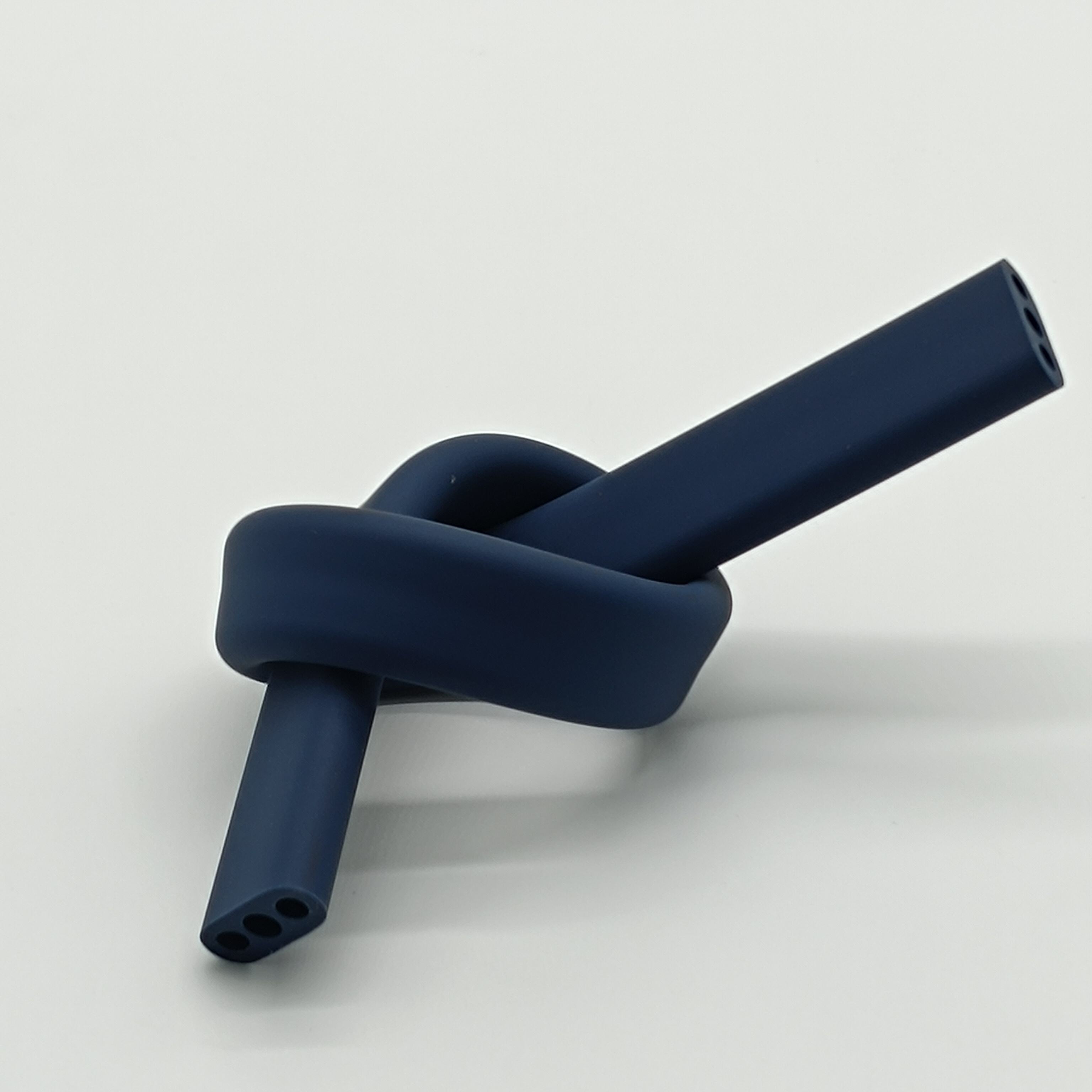
Selecting the appropriate durometer for your silicone tube application is a critical engineering decision that directly impacts performance, longevity, and safety. The durometer measurement system quantifies the hardness of silicone materials, providing engineers and procurement specialists with essential data to match material properties with specific operational requirements. Understanding how durometer affects your silicone tube selection process enables optimal performance across diverse industrial applications while ensuring compliance with industry standards and regulations.
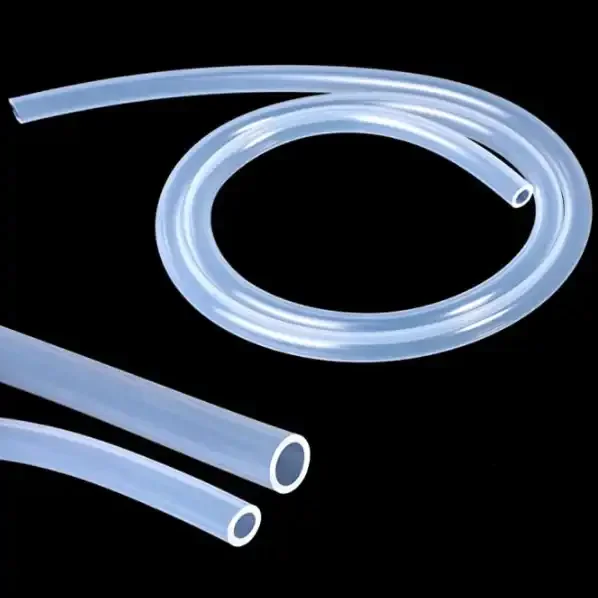
Understanding Durometer Measurement Standards
Shore Hardness Scale Fundamentals
The Shore hardness scale represents the primary measurement system for determining silicone tube durometer values. Shore A scale typically applies to softer elastomers, measuring values from 10 to 100, while Shore D scale covers harder materials with similar numerical ranges. Most silicone tube applications utilize Shore A measurements, as these materials generally fall within the softer elastomer category. The measurement process involves applying controlled pressure through a standardized indenter, with higher numbers indicating increased material hardness and resistance to deformation.
Professional durometer testing requires calibrated instruments and controlled environmental conditions to ensure accurate readings. Temperature variations significantly affect silicone tube hardness measurements, making climate-controlled testing environments essential for reliable data collection. Testing protocols typically involve multiple measurement points across sample surfaces to account for material consistency variations. Understanding these measurement fundamentals helps engineers select appropriate silicone tube specifications for their specific applications while maintaining quality control throughout procurement processes.
Durometer Range Classifications
Silicone tube materials typically range from 30 Shore A to 80 Shore A, encompassing applications from ultra-flexible medical devices to industrial fluid handling systems. Lower durometer values between 30-40 Shore A provide maximum flexibility and conformability, making them ideal for applications requiring frequent bending or compression cycles. Mid-range durometer values from 50-60 Shore A offer balanced flexibility and structural integrity, suitable for general-purpose applications where moderate pressure resistance is required.
Higher durometer silicone tube materials ranging from 70-80 Shore A deliver enhanced structural stability and pressure resistance while maintaining adequate flexibility for installation and operation. These harder materials excel in applications involving higher internal pressures, elevated temperatures, or exposure to aggressive chemicals. Understanding these durometer classifications enables informed material selection decisions based on specific performance requirements and operational parameters within your application environment.
Application-Specific Durometer Requirements
Medical and Healthcare Applications
Medical grade silicone tube applications demand precise durometer selection to ensure patient safety and device functionality. Surgical drainage tubes typically require lower durometer values between 30-40 Shore A to minimize tissue trauma while maintaining adequate structural integrity for fluid transfer. Peristaltic pump tubing applications benefit from specific durometer ranges that optimize pump efficiency while extending operational lifespan through reduced fatigue failure rates.
Pharmaceutical processing environments require silicone tube materials with durometer values that resist chemical degradation while maintaining consistent flow characteristics. Blood handling applications necessitate careful durometer selection to prevent hemolysis while ensuring adequate pressure resistance for circulation systems. Regulatory compliance requirements often specify acceptable durometer ranges for medical device applications, making material certification documentation essential for procurement processes.
Industrial Processing Requirements
Industrial silicone tube applications encompass diverse durometer requirements depending on processing conditions and fluid characteristics. Chemical processing facilities require higher durometer values to resist aggressive solvents and maintain structural integrity under elevated pressure conditions. Food and beverage processing applications demand durometer specifications that balance flexibility for cleaning procedures with pressure resistance for product transfer operations.
Automotive and aerospace industries utilize silicone tube materials with specific durometer ranges to withstand vibration, temperature cycling, and exposure to hydraulic fluids. Mining and heavy equipment applications require robust durometer specifications to handle abrasive particles and extreme operating conditions while maintaining seal integrity. Understanding these industrial requirements enables optimal silicone tube material selection for challenging operational environments.
Environmental Factors Affecting Durometer Selection
Temperature Considerations
Temperature variations significantly influence silicone tube durometer behavior, requiring careful consideration during material selection processes. Lower temperatures increase material hardness, potentially affecting flexibility and installation procedures in cold environment applications. Higher operating temperatures reduce durometer values, potentially compromising pressure resistance and structural integrity in heat-intensive applications.
Thermal cycling applications require silicone tube materials with durometer specifications that maintain consistent performance across temperature ranges. Cryogenic applications demand specialized durometer considerations to prevent material brittleness and failure at extremely low temperatures. High-temperature applications require durometer stability to maintain sealing effectiveness and prevent premature degradation under thermal stress conditions.
Chemical Compatibility Assessment
Chemical exposure affects silicone tube durometer properties over time, influencing long-term performance and replacement schedules. Aggressive solvents may cause durometer changes through material swelling or degradation, requiring initial durometer selection adjustments to compensate for anticipated changes. Oxidizing agents can increase material hardness over time, potentially affecting flexibility and sealing performance in dynamic applications.
Cleaning chemical compatibility requires durometer selection that maintains material integrity through repeated sterilization cycles. pH variations in process fluids influence durometer stability, making chemical resistance testing essential for critical applications. Understanding chemical compatibility effects on durometer properties enables proactive material selection and maintenance scheduling decisions.
Performance Optimization Through Durometer Selection
Pressure Resistance Characteristics
Higher durometer silicone tube materials provide enhanced pressure resistance capabilities, making them suitable for high-pressure fluid transfer applications. Lower durometer materials offer superior conformability but may require additional reinforcement for pressure-sensitive applications. Pressure pulsation resistance varies with durometer selection, affecting fatigue life and maintenance requirements in dynamic pressure systems.
Vacuum applications require specific durometer ranges to prevent collapse while maintaining flexibility for installation procedures. Burst pressure ratings correlate directly with durometer values, making hardness specification critical for safety-critical applications. Understanding pressure-durometer relationships enables optimal material selection for specific operating pressure ranges while maintaining adequate safety margins.
Flexibility and Installation Requirements
Installation procedures often dictate minimum flexibility requirements, influencing durometer selection for complex routing applications. Bend radius limitations vary with durometer specifications, affecting system design flexibility and installation accessibility. Lower durometer silicone tube materials accommodate tighter bend radii but may require additional support structures to maintain proper alignment.
Assembly tolerance requirements influence durometer selection for fitting connections and sealing interfaces. Compression set resistance varies with durometer values, affecting long-term sealing performance in static applications. Understanding flexibility-durometer relationships enables balanced material selection that meets both installation requirements and operational performance specifications.
Quality Control and Testing Procedures
Durometer Verification Methods
Incoming material inspection requires standardized durometer testing procedures to verify silicone tube specifications match procurement requirements. Quality control protocols should include multiple test points and environmental conditioning to ensure representative measurements. Calibration schedules for durometer testing equipment ensure measurement accuracy and traceability throughout quality assurance processes.
Statistical process control methods help identify durometer variations that may indicate material quality issues or supplier process changes. Documentation requirements for durometer testing support traceability and compliance verification for regulated industries. Understanding proper testing procedures enables effective quality control implementation and supplier performance monitoring.
Long-Term Performance Monitoring
Durometer monitoring programs help predict silicone tube replacement schedules and identify performance trends over time. Environmental aging effects on durometer properties provide valuable data for material selection optimization and maintenance planning. Failure analysis procedures should include durometer measurements to correlate material changes with performance degradation patterns.
Predictive maintenance strategies benefit from durometer trending data to optimize replacement schedules and minimize unplanned downtime. Performance databases accumulating durometer-related field experience enable continuous improvement in material selection processes. Understanding long-term durometer behavior supports reliability engineering initiatives and total cost of ownership optimization.
Supplier Selection and Specification Development
Technical Specification Requirements
Comprehensive silicone tube specifications must include durometer tolerances, testing methods, and acceptance criteria to ensure consistent material quality. Supplier capability assessments should verify durometer control processes and quality assurance procedures. Technical data packages should include durometer-temperature relationships and aging characteristics for critical applications.
Material certification requirements should specify durometer testing protocols and documentation standards for traceability purposes. Design review processes should evaluate durometer specifications against application requirements and performance expectations. Understanding specification development best practices ensures optimal material procurement and supplier performance.
Cost-Performance Optimization
Durometer selection impacts both material costs and operational performance, requiring balanced evaluation of total cost of ownership factors. Premium durometer grades may justify higher initial costs through extended service life and reduced maintenance requirements. Volume pricing considerations should account for durometer specification standardization opportunities across multiple applications.
Supplier partnership development benefits from durometer expertise sharing and collaborative problem-solving approaches. Value engineering initiatives should consider durometer optimization opportunities to improve performance while managing costs. Understanding cost-performance relationships enables strategic material selection decisions that support both technical and commercial objectives.
FAQ
What durometer range is most commonly used for general-purpose silicone tube applications
General-purpose silicone tube applications typically utilize durometer ranges between 50-60 Shore A, providing balanced flexibility and structural integrity. This range offers adequate pressure resistance for moderate-pressure applications while maintaining sufficient flexibility for installation and operation. The 50-60 Shore A range represents the optimal compromise between performance characteristics for most industrial and commercial applications.
How does temperature affect silicone tube durometer measurements and performance
Temperature significantly influences silicone tube durometer behavior, with higher temperatures reducing hardness and lower temperatures increasing material stiffness. Standard durometer measurements are typically conducted at room temperature, but actual operating conditions may vary significantly from test conditions. Temperature-durometer relationships should be considered during material selection to ensure consistent performance across expected operating temperature ranges.
Can durometer specifications be customized for specific application requirements
Yes, silicone tube manufacturers can customize durometer specifications to meet specific application requirements through formulation adjustments and processing modifications. Custom durometer development typically requires minimum order quantities and may involve extended lead times for material qualification and testing. Working closely with suppliers during the specification development process ensures optimal durometer selection for unique application challenges.
What testing standards should be specified for silicone tube durometer verification
ASTM D2240 represents the primary testing standard for silicone tube durometer verification, specifying Shore A hardness measurement procedures and equipment requirements. ISO 7619 provides international standard methods for durometer testing with similar procedures and acceptance criteria. Quality specifications should reference appropriate testing standards and include tolerance requirements, sample size specifications, and environmental conditioning procedures for consistent and reliable durometer verification.
Table of Contents
- Understanding Durometer Measurement Standards
- Application-Specific Durometer Requirements
- Environmental Factors Affecting Durometer Selection
- Performance Optimization Through Durometer Selection
- Quality Control and Testing Procedures
- Supplier Selection and Specification Development
-
FAQ
- What durometer range is most commonly used for general-purpose silicone tube applications
- How does temperature affect silicone tube durometer measurements and performance
- Can durometer specifications be customized for specific application requirements
- What testing standards should be specified for silicone tube durometer verification