
 EN
EN
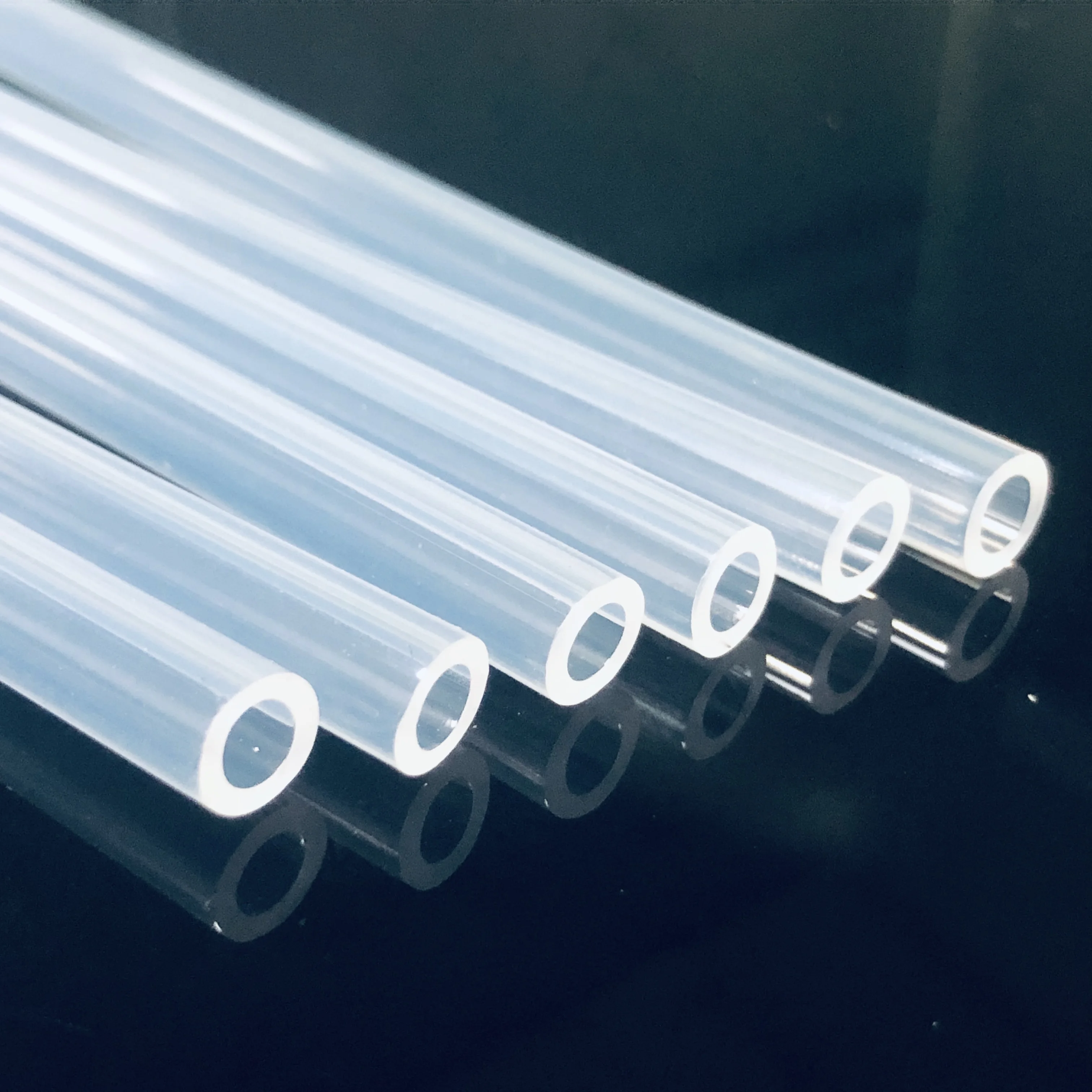
Selecting the appropriate silicone tube with optimal chemical resistance for laboratory applications requires careful evaluation of multiple technical factors that directly impact performance, safety, and experimental reliability. Laboratory environments present unique challenges where silicone tube chemical resistance must withstand exposure to various solvents, acids, bases, and specialized reagents while maintaining structural integrity and preventing contamination. The choice of silicone tubing can significantly affect analytical accuracy, sample purity, and overall laboratory efficiency.
Understanding the relationship between silicone formulation and chemical compatibility enables laboratory professionals to make informed decisions that optimize both performance and cost-effectiveness. Modern laboratory operations demand silicone tubing solutions that offer consistent chemical resistance across diverse applications, from routine analytical procedures to specialized research protocols. The selection process involves analyzing specific chemical exposure requirements, operating conditions, and long-term durability expectations to ensure optimal laboratory performance.
Understanding Silicone Polymer Chemistry and Chemical Resistance Mechanisms
Fundamental Properties of Silicone Polymers
Silicone tube chemical resistance stems from the unique molecular structure of polydimethylsiloxane (PDMS) and related silicone polymers. The silicon-oxygen backbone provides exceptional stability against thermal degradation and chemical attack, while methyl side groups contribute to hydrophobic properties that resist many aqueous solutions. This molecular architecture creates inherent resistance to oxidation, UV radiation, and temperature extremes that commonly occur in laboratory environments.
The degree of cross-linking in silicone polymers directly influences chemical resistance characteristics. Higher cross-link density typically improves resistance to swelling and chemical permeation, though it may reduce flexibility. Laboratory-grade silicone tubing often incorporates specific cross-linking agents and curing processes designed to optimize chemical resistance while maintaining necessary mechanical properties for fluid handling applications.
Different silicone formulations exhibit varying levels of chemical resistance depending on the specific polymer composition and manufacturing process. Platinum-cured silicones generally offer superior purity and chemical resistance compared to peroxide-cured alternatives, making them preferred for critical laboratory applications where contamination must be minimized and silicone tube chemical resistance must be maximized.
Chemical Interaction Mechanisms
Chemical resistance in silicone tubing involves several interaction mechanisms that laboratory professionals must understand when selecting appropriate materials. Solvent swelling occurs when chemical molecules penetrate the polymer matrix, causing dimensional changes and potential mechanical property degradation. The extent of swelling depends on the chemical polarity, molecular size, and polymer cross-link density.
Permeation represents another critical factor in silicone tube chemical resistance, where small molecules migrate through the polymer structure without causing visible damage. This phenomenon can lead to sample contamination or loss of volatile components, particularly important in analytical applications requiring high purity standards. Understanding permeation rates helps predict long-term performance and establish appropriate replacement schedules.
Chemical degradation mechanisms include chain scission, cross-link formation, and oxidative attack that can permanently alter polymer properties. Strong acids, bases, and certain organic solvents may cause irreversible changes in silicone structure, emphasizing the importance of compatibility testing before implementing new tubing solutions in laboratory operations.
Critical Chemical Compatibility Assessment Factors
Solvent and Reagent Compatibility Analysis
Evaluating silicone tube chemical resistance requires systematic assessment of all chemicals that will contact the tubing during normal operations. Polar solvents like alcohols and ketones generally exhibit different interaction patterns compared to nonpolar hydrocarbons, necessitating specific compatibility verification for each chemical class. Laboratory professionals must consider not only primary reagents but also cleaning solutions, calibration standards, and potential cross-contamination sources.
Concentration effects play a crucial role in chemical compatibility, as dilute solutions may be compatible with silicone tubing while concentrated forms cause significant degradation. Temperature dependencies further complicate compatibility assessment, since elevated temperatures typically accelerate chemical interactions and reduce silicone tube chemical resistance. Comprehensive compatibility data should encompass the full range of operating conditions expected in laboratory use.
Mixed chemical environments present additional challenges for compatibility assessment, as synergistic effects between different chemicals may produce unexpected interactions with silicone materials. Sequential exposure to different chemicals can also influence performance, particularly when one chemical modifies the polymer structure and affects subsequent chemical resistance. Thorough testing protocols should simulate actual laboratory conditions to ensure reliable compatibility predictions.
pH Range and Ionic Strength Considerations
Silicone tube chemical resistance varies significantly across different pH ranges, with extreme acidic and basic conditions presenting the greatest challenges. Strong acids below pH 2 may cause hydrolysis of silicon-oxygen bonds, while concentrated alkali solutions above pH 12 can attack the polymer backbone. Understanding pH limitations helps establish safe operating parameters and identify applications requiring specialized chemical-resistant formulations.
Ionic strength affects chemical interactions through electrostatic effects and ion-specific interactions with silicone polymers. High ionic strength solutions may accelerate chemical degradation or modify permeation characteristics, particularly important for electrochemical applications or high-salt biological buffers. The presence of specific ions like fluoride or chromate may create unique compatibility challenges requiring specialized evaluation.
Buffer systems commonly used in laboratory applications may exhibit different compatibility patterns compared to simple acid or base solutions. Phosphate, citrate, and other buffer components can influence silicone tube chemical resistance through chelation effects or pH buffering that maintains aggressive conditions over extended periods. Compatibility testing should include relevant buffer systems at working concentrations and pH levels.
Physical and Mechanical Property Requirements
Temperature and Pressure Performance Criteria
Operating temperature ranges significantly influence silicone tube chemical resistance and overall performance in laboratory applications. Low temperatures may cause stiffening and reduced flexibility, while elevated temperatures accelerate chemical reactions and potentially compromise chemical resistance. Laboratory-grade silicone tubing must maintain consistent properties across the full temperature range encountered in typical operations, from refrigerated storage to heated processes.
Pressure requirements affect both mechanical integrity and chemical resistance characteristics of silicone tubing. High-pressure applications may cause stress-induced chemical degradation or accelerate permeation processes that compromise chemical resistance. The relationship between pressure, temperature, and chemical exposure creates complex performance requirements that must be carefully evaluated during selection processes.
Thermal cycling effects can cause cumulative damage to silicone polymers, particularly when combined with chemical exposure. Repeated heating and cooling cycles may create stress concentrations that reduce chemical resistance or cause premature failure. Laboratory applications involving frequent temperature changes require silicone tubing with enhanced thermal stability and maintained chemical resistance throughout operational cycles.
Flexibility and Durability Standards
Mechanical flexibility requirements must be balanced against chemical resistance properties when selecting silicone tubing for laboratory applications. Highly cross-linked formulations that offer superior chemical resistance may exhibit reduced flexibility, potentially limiting their suitability for applications requiring frequent handling or tight bend radii. The optimal balance depends on specific application requirements and installation constraints.
Durability considerations include resistance to mechanical wear, tear propagation, and fatigue failure under repeated stress cycles. Laboratory environments often subject tubing to frequent connections, disconnections, and repositioning that can compromise both mechanical integrity and silicone tube chemical resistance. Long-term durability testing should evaluate performance under realistic use conditions.
Surface properties affect both chemical resistance and cleanability in laboratory applications. Smooth surfaces generally resist contamination and facilitate cleaning, while textured surfaces may harbor residues that compromise chemical resistance over time. Surface energy characteristics influence wetting behavior and potential for chemical absorption that could affect subsequent applications.
Purity and Contamination Control Specifications
Extractable and Leachable Compound Management
Extractable compounds from silicone tubing can significantly impact analytical results and compromise experimental validity in sensitive laboratory applications. Low molecular weight silicone oligomers, catalyst residues, and processing aids may migrate from the tubing into contact solutions, creating interference peaks in chromatographic analysis or affecting biological assays. Selecting silicone tubing with minimal extractables requires understanding manufacturing processes and post-production treatments that reduce potential contaminants.
Leachable assessment involves evaluating compounds that migrate under specific use conditions, providing more realistic contamination predictions than general extractable testing. Different solvents and pH conditions may selectively extract different compounds, necessitating leachable testing under relevant laboratory conditions. Silicone tube chemical resistance must be evaluated alongside leachable profiles to ensure both chemical compatibility and contamination control.
Certification standards for laboratory-grade silicone tubing often specify maximum allowable levels of specific extractable compounds. USP Class VI certification provides basic biological safety assurance, while more stringent pharmaceutical and analytical standards may require detailed extractable profiles and batch-specific documentation. Understanding certification requirements helps ensure selected tubing meets necessary purity standards for intended applications.
Cleaning and Sterilization Compatibility
Cleaning protocol compatibility affects long-term silicone tube chemical resistance and contamination control effectiveness. Aggressive cleaning agents may gradually degrade silicone properties or extract compounds that affect subsequent chemical resistance. Establishing compatible cleaning procedures requires balancing contamination removal effectiveness with preservation of tubing integrity and chemical resistance properties.
Sterilization methods must be compatible with silicone materials to maintain chemical resistance throughout the operational lifecycle. Autoclave sterilization may cause gradual changes in polymer properties, while chemical sterilants like ethylene oxide or gamma radiation may create specific compatibility challenges. The selection process should consider required sterilization methods and their cumulative effects on silicone tube chemical resistance.
Validation of cleaning effectiveness becomes crucial when tubing is reused across different applications or chemicals. Residual contamination may affect chemical resistance or create cross-contamination issues that compromise experimental results. Cleaning validation protocols should demonstrate complete removal of potential contaminants while confirming maintained chemical resistance properties.
Application-Specific Selection Criteria
Analytical Instrumentation Requirements
Analytical instrumentation applications demand exceptionally high purity and chemical inertness to prevent interference with sensitive measurements. Chromatographic systems require tubing with minimal extractables that could create baseline artifacts or interfere with analyte detection. The selection of silicone tube chemical resistance must consider not only primary mobile phase compatibility but also cleaning solvents and system maintenance chemicals.
Mass spectrometry applications present unique challenges for silicone tubing selection, as even trace contamination can interfere with ionization processes or create background signals. Volatile silicone oligomers may accumulate in ion sources, requiring frequent cleaning or causing analytical interference. Specialized low-bleed silicone formulations may be necessary for critical mass spectrometry applications where contamination control is paramount.
Spectroscopic applications require tubing materials that do not interfere with optical measurements or introduce spectral artifacts. UV-transparent applications may require specialized silicone formulations that resist degradation under UV exposure while maintaining chemical resistance. The optical properties of silicone tubing can change with chemical exposure, potentially affecting measurement accuracy in optical systems.
Biological and Pharmaceutical Applications
Biological applications require silicone tubing that maintains chemical resistance while ensuring biocompatibility and minimal cytotoxicity. Cell culture applications demand materials that do not leach compounds toxic to living cells or interfere with biological processes. The selection criteria must balance silicone tube chemical resistance with biological safety requirements, often requiring specialized biocompatible formulations.
Pharmaceutical applications involve stringent regulatory requirements for materials in contact with drug substances. Chemical resistance must be demonstrated against active pharmaceutical ingredients, excipients, and processing solvents under relevant conditions. Regulatory compliance documentation requires extensive compatibility data and quality system controls that may influence tubing selection decisions.
Protein and enzyme applications present specific challenges related to adsorption and denaturation at silicone surfaces. While silicone generally exhibits low protein binding, specific formulations may offer improved performance for critical biological applications. The interaction between surface properties and chemical resistance affects both contamination control and biological activity preservation in protein handling systems.
FAQ
How do I test silicone tube chemical resistance for my specific laboratory chemicals?
Testing silicone tube chemical resistance requires immersion testing where tubing samples are exposed to your specific chemicals at working concentrations and temperatures for extended periods. Monitor changes in dimensions, weight, mechanical properties, and visual appearance after 24, 48, and 168 hours of exposure. Include both the primary chemicals and any cleaning or maintenance solutions used in your laboratory. Document any swelling, cracking, discoloration, or brittleness that could indicate incompatibility.
What silicone tube grades offer the highest chemical resistance for aggressive laboratory environments?
Platinum-cured silicone tubing typically offers superior chemical resistance compared to peroxide-cured alternatives, with specialized pharmaceutical-grade formulations providing the highest performance. Look for tubing certified to USP Class VI or ISO 10993 standards, which undergo rigorous biocompatibility and extractables testing. Fluorosilicone tubing offers enhanced resistance to fuels and solvents but may have higher costs. Consult manufacturer compatibility charts and request specific chemical resistance data for your operating conditions.
Can silicone tubing be reused after exposure to different chemicals without affecting chemical resistance?
Reusing silicone tubing after chemical exposure depends on the specific chemicals involved and exposure conditions. Some chemicals may cause irreversible changes in polymer structure that compromise future chemical resistance, while others may leave residues that affect subsequent applications. Establish cleaning validation protocols that demonstrate complete contaminant removal and test chemical resistance after cleaning cycles. Consider dedicating specific tubing to particular chemicals to avoid cross-contamination and maintain consistent performance.
How often should silicone tubing be replaced in laboratory applications to maintain optimal chemical resistance?
Replacement frequency depends on chemical exposure intensity, operating conditions, and performance requirements. Establish replacement schedules based on visual inspection for swelling, cracking, or discoloration, combined with performance testing for extractables or permeation changes. High-throughput analytical applications may require monthly replacement, while less demanding applications might operate safely for 6-12 months. Monitor key performance indicators like background contamination levels or system pressure changes that could indicate degraded chemical resistance requiring tubing replacement.
Table of Contents
- Understanding Silicone Polymer Chemistry and Chemical Resistance Mechanisms
- Critical Chemical Compatibility Assessment Factors
- Physical and Mechanical Property Requirements
- Purity and Contamination Control Specifications
- Application-Specific Selection Criteria
-
FAQ
- How do I test silicone tube chemical resistance for my specific laboratory chemicals?
- What silicone tube grades offer the highest chemical resistance for aggressive laboratory environments?
- Can silicone tubing be reused after exposure to different chemicals without affecting chemical resistance?
- How often should silicone tubing be replaced in laboratory applications to maintain optimal chemical resistance?