
 EN
EN
The purity requirements in food and pharmaceutical applications demand materials that maintain absolute chemical inertness and resistance to contamination. When processing sensitive products like injectable medications, food ingredients, or biotechnology solutions, even trace amounts of impurities can compromise product safety and regulatory compliance. Understanding how platinum-cured silicone tube technology addresses these critical purity challenges becomes essential for engineers and quality managers working in regulated industries where material selection directly impacts final product integrity.
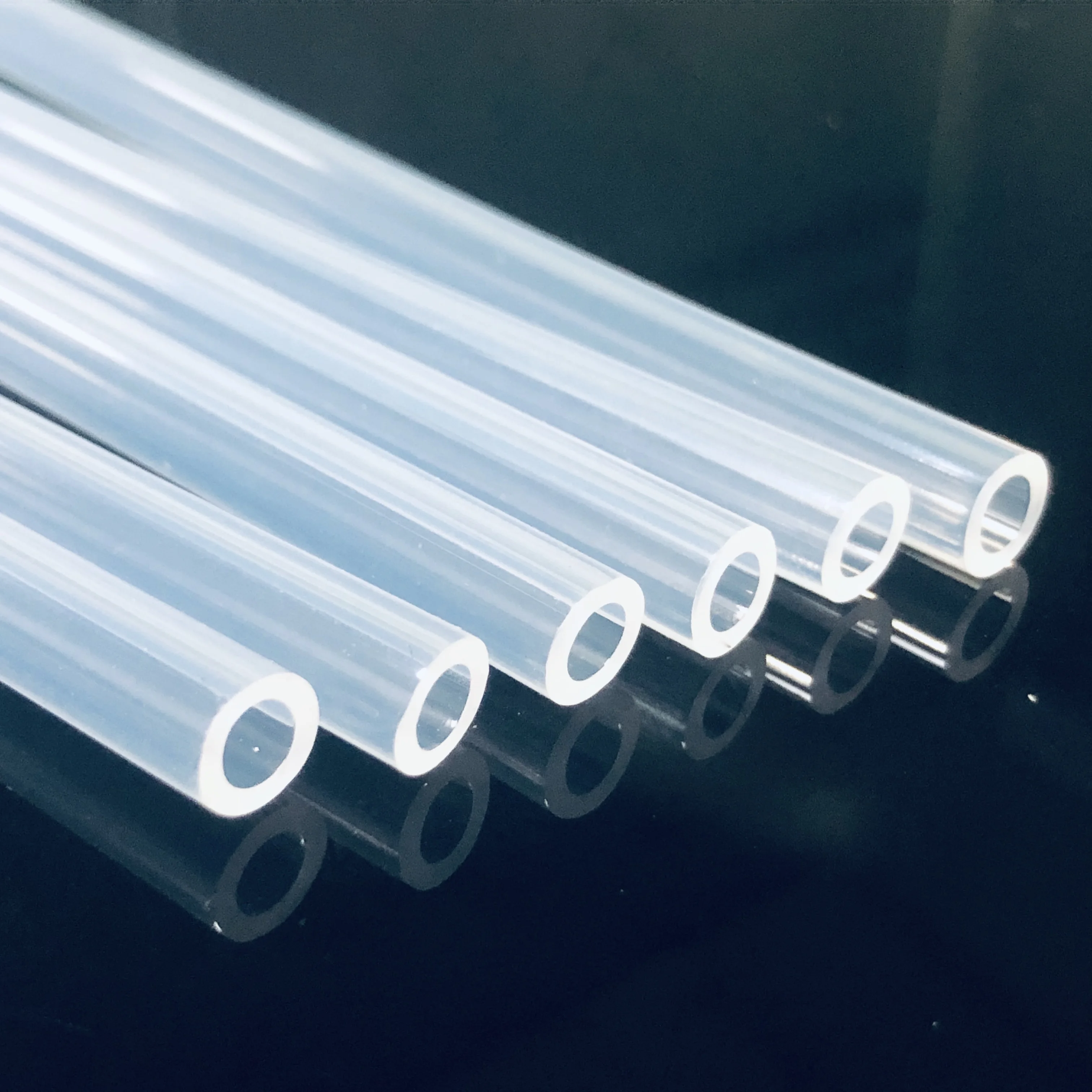
The superior purity characteristics of platinum-cured silicone tube stem from a fundamentally different curing chemistry compared to traditional peroxide-cured alternatives. This advanced curing mechanism eliminates volatile organic compounds and residual catalysts that could migrate into sensitive fluids, creating an ultra-clean material matrix. The platinum catalyst system operates through an addition reaction rather than a free radical mechanism, resulting in complete cross-linking without generating potentially harmful byproducts that plague conventional silicone processing methods.
The Platinum Curing Chemistry Behind Enhanced Purity
Catalyst System Fundamentals
The platinum-cured silicone tube manufacturing process utilizes a sophisticated platinum-based catalyst system that creates cross-links through hydrosilylation reactions. Unlike peroxide curing systems that rely on free radical mechanisms and generate volatile byproducts, platinum catalysis promotes complete polymer chain cross-linking without producing extractable compounds. This catalyst system operates at lower temperatures and creates a more uniform polymer network, ensuring consistent material properties throughout the platinum-cured silicone tube structure.
The hydrosilylation reaction occurs between vinyl-functional siloxane polymers and hydride-functional cross-linkers in the presence of platinum catalysts. This controlled chemical reaction eliminates the formation of peroxide residues, organic peroxides, and other potentially harmful compounds that could leach into food or pharmaceutical products. The resulting platinum-cured silicone tube exhibits exceptional chemical inertness and maintains its purity characteristics even under aggressive sterilization conditions and extended contact with sensitive fluids.
Elimination of Volatile Organic Compounds
Traditional peroxide-cured silicone materials generate significant amounts of volatile organic compounds during the curing process, including benzoic acid, acetophenone, and other aromatic compounds that can migrate into process fluids. The platinum-cured silicone tube manufacturing process completely eliminates these VOC concerns through its addition-cure chemistry, which produces no volatile byproducts during polymerization.
The absence of volatile compounds in platinum-cured silicone tube materials becomes particularly critical in pharmaceutical applications where even trace contamination can trigger regulatory violations. Laboratory testing consistently demonstrates that platinum-cured materials exhibit extractable levels well below detection limits for most analytical methods, providing the ultra-low contamination profile required for sterile processing and sensitive drug manufacturing operations.
Material Properties Supporting Food Safety Requirements
Chemical Resistance and Inertness
The chemical inertness of platinum-cured silicone tube materials extends beyond simple non-reactivity to encompass resistance against a broad spectrum of food acids, oils, alcohols, and cleaning agents commonly encountered in food processing environments. This comprehensive chemical resistance ensures that the platinum-cured silicone tube maintains its integrity and purity characteristics when exposed to aggressive food ingredients, sanitizing solutions, and thermal processing conditions that could degrade lesser materials.
Testing protocols demonstrate that platinum-cured silicone tube materials resist swelling, hardening, and chemical degradation when exposed to citric acid, acetic acid, ethanol, and various food oils at elevated temperatures. This chemical stability prevents the formation of reaction products or degradation compounds that could migrate into food products and compromise safety or organoleptic properties. The material's resistance to lipid extraction ensures that even fatty food products maintain their intended composition without absorbing plasticizers or other additives from the tubing material.
Temperature Stability and Processing Compatibility
Food processing operations frequently require materials that maintain purity characteristics across extreme temperature ranges, from cryogenic freezing to high-temperature sterilization cycles. The platinum-cured silicone tube demonstrates exceptional thermal stability, maintaining its chemical inertness and mechanical properties from -65°F to 450°F without releasing volatile compounds or undergoing structural degradation that could introduce contaminants.
This temperature stability proves particularly valuable in applications requiring steam sterilization, where conventional materials may release plasticizers or undergo thermal degradation. The platinum-cured silicone tube withstands repeated autoclave cycles at 250°F without material property changes or the generation of extractable compounds, ensuring consistent purity performance throughout extended service life in demanding food processing environments.
Pharmaceutical Grade Purity Standards and Compliance
USP Class VI and FDA Regulatory Alignment
The pharmaceutical industry demands materials that meet stringent USP Class VI biological reactivity standards, which evaluate cytotoxicity, systemic toxicity, and implantation responses through comprehensive animal testing protocols. Platinum-cured silicone tube materials consistently achieve USP Class VI compliance due to their ultra-low extractable profiles and absence of potentially harmful additives or curing byproducts that could trigger biological responses.
Beyond USP Class VI compliance, platinum-cured silicone tube materials align with FDA regulations for food contact applications under 21 CFR 177.2600, which establishes specific requirements for silicone materials used in food processing equipment. The platinum curing system eliminates concerns about peroxide residues and organic extractables that could violate FDA migration limits, providing pharmaceutical manufacturers with confidence in regulatory compliance for drug delivery systems and bioprocessing equipment.
Biocompatibility and Sterile Processing
Pharmaceutical applications often require direct contact with sterile drug products, necessitating materials that maintain biocompatibility under various sterilization methods including gamma irradiation, electron beam sterilization, and ethylene oxide treatment. The platinum-cured silicone tube demonstrates exceptional stability under these sterilization conditions, showing no measurable increase in extractable compounds or changes in surface chemistry that could affect biocompatibility.
The material's resistance to protein adsorption and bacterial adhesion supports sterile processing requirements while minimizing the risk of contamination during extended contact with biological fluids. Laboratory studies confirm that platinum-cured silicone tube surfaces resist biofilm formation and maintain their smooth, non-reactive characteristics even after multiple sterilization cycles, ensuring consistent performance in critical pharmaceutical manufacturing processes.
Analytical Testing and Purity Validation Methods
Extractables and Leachables Assessment
Comprehensive extractables and leachables testing protocols provide quantitative evidence of the superior purity characteristics inherent in platinum-cured silicone tube materials. These analytical methods employ aggressive extraction conditions using various solvents at elevated temperatures to simulate worst-case exposure scenarios and identify any potentially harmful compounds that could migrate into food or pharmaceutical products.
Testing results consistently demonstrate that platinum-cured silicone tube materials exhibit extractable levels orders of magnitude below those observed with peroxide-cured alternatives. Gas chromatography-mass spectrometry analysis reveals the absence of organic peroxides, aromatic compounds, and other volatile substances commonly found in conventional silicone materials, confirming the material's suitability for the most demanding purity applications.
Surface Analysis and Contamination Control
Advanced surface analytical techniques including X-ray photoelectron spectroscopy and time-of-flight secondary ion mass spectrometry provide detailed characterization of platinum-cured silicone tube surface chemistry and confirm the absence of surface contaminants or residual processing aids. These techniques detect atomic-level surface composition changes that could indicate material degradation or contamination during manufacturing or sterilization processes.
The analytical data demonstrates that platinum-cured silicone tube surfaces maintain consistent elemental composition dominated by silicon, oxygen, and carbon without detectable levels of sulfur, chlorine, or other elements associated with processing aids or degradation products. This surface purity ensures that fluid contact with the platinum-cured silicone tube does not introduce trace contaminants that could accumulate over time in sensitive pharmaceutical or food processing systems.
Industrial Applications and Performance Advantages
Biotechnology and Biopharmaceutical Processing
The biotechnology industry relies heavily on platinum-cured silicone tube materials for cell culture media transfer, vaccine production, and monoclonal antibody processing where material purity directly impacts product quality and patient safety. The ultra-low extractable profile of platinum-cured materials prevents interference with sensitive biological processes while maintaining the flexibility and chemical resistance required for complex bioprocessing equipment configurations.
Single-use bioprocessing systems increasingly specify platinum-cured silicone tube components due to their compatibility with aggressive cleaning and sterilization protocols without material degradation. The absence of leachable compounds that could inhibit cell growth or alter protein structures makes these materials ideal for critical applications including perfusion cell culture, continuous manufacturing processes, and sterile filtration systems where contamination control represents a primary design consideration.
Food Processing and Dairy Applications
Food processing operations benefit from the superior purity characteristics of platinum-cured silicone tube materials, particularly in dairy processing where lipid-containing products could extract plasticizers or other additives from conventional tubing materials. The chemical inertness of platinum-cured materials ensures that milk, cream, and other dairy products maintain their intended composition without absorbing off-flavors or contaminants that could affect product quality or shelf life.
The temperature stability of platinum-cured silicone tube materials supports pasteurization and ultra-high temperature processing operations where conventional materials might release volatile compounds or undergo thermal degradation. This thermal stability, combined with resistance to aggressive cleaning chemicals including caustic solutions and acidic sanitizers, enables extended service life in demanding food processing environments while maintaining consistent purity performance.
FAQ
What makes platinum-cured silicone tube safer than peroxide-cured alternatives for food contact?
Platinum-cured silicone tube eliminates the volatile organic compounds and peroxide residues inherent in traditional curing systems. The platinum catalyst creates complete cross-linking through hydrosilylation reactions without generating potentially harmful byproducts that could migrate into food products, resulting in extractable levels well below regulatory detection limits.
How does the curing process affect the biocompatibility of platinum-cured silicone tube?
The platinum curing process produces a chemically inert material matrix without residual catalysts or curing byproducts that could trigger biological responses. This results in consistent USP Class VI compliance and superior biocompatibility characteristics that remain stable under various sterilization methods including gamma radiation and steam autoclaving.
Can platinum-cured silicone tube maintain purity after repeated sterilization cycles?
Yes, platinum-cured silicone tube materials demonstrate exceptional stability under repeated sterilization exposure without generating additional extractable compounds or surface contamination. The material maintains its chemical inertness and mechanical properties through hundreds of sterilization cycles, ensuring consistent purity performance throughout extended service life.
What analytical methods verify the purity advantages of platinum-cured silicone tube?
Comprehensive extractables and leachables testing using gas chromatography-mass spectrometry, along with surface analysis techniques like X-ray photoelectron spectroscopy, provide quantitative evidence of superior purity. These methods consistently demonstrate extractable levels orders of magnitude below peroxide-cured alternatives and confirm the absence of potentially harmful compounds.
Table of Contents
- The Platinum Curing Chemistry Behind Enhanced Purity
- Material Properties Supporting Food Safety Requirements
- Pharmaceutical Grade Purity Standards and Compliance
- Analytical Testing and Purity Validation Methods
- Industrial Applications and Performance Advantages
-
FAQ
- What makes platinum-cured silicone tube safer than peroxide-cured alternatives for food contact?
- How does the curing process affect the biocompatibility of platinum-cured silicone tube?
- Can platinum-cured silicone tube maintain purity after repeated sterilization cycles?
- What analytical methods verify the purity advantages of platinum-cured silicone tube?