
 EN
EN
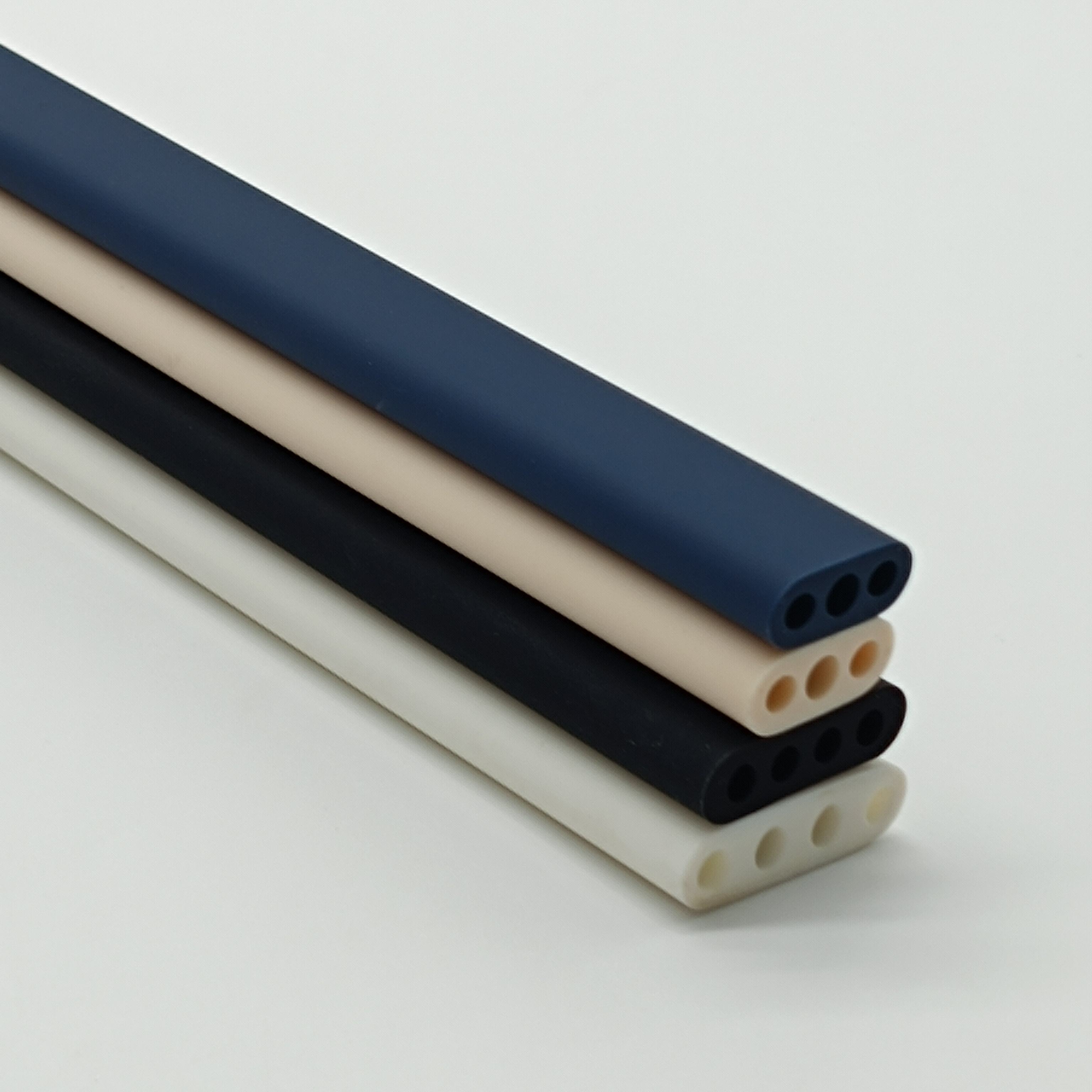
When engineers need to route tubing through tight spaces, around sharp corners, or through confined equipment layouts, the choice of silicone tube becomes critical for maintaining fluid flow and system reliability. The best flexibility for tight-radius routing depends on specific wall thickness ratios, durometer ratings, and reinforcement patterns that prevent kinking while maintaining structural integrity under pressure. Understanding these material characteristics helps identify which silicone tube configurations deliver optimal performance in demanding routing applications.
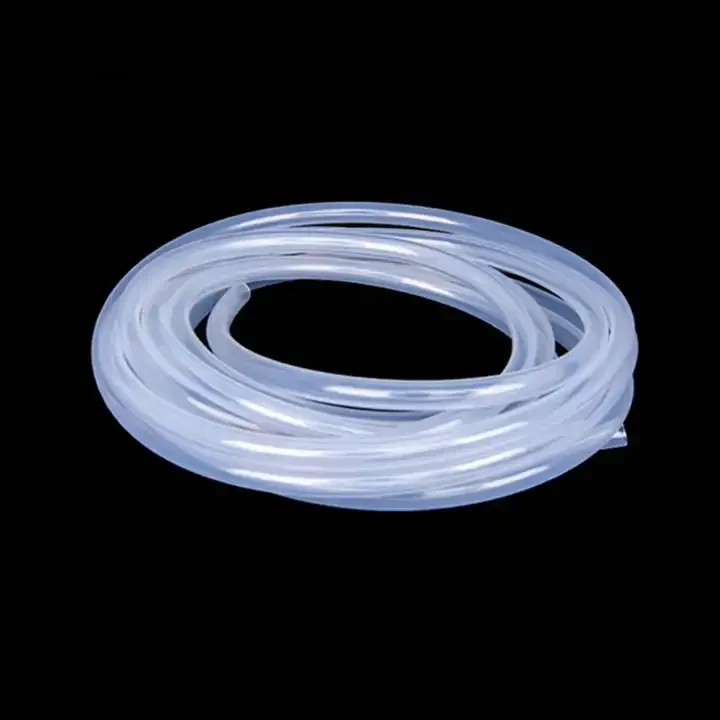
The selection process involves evaluating multiple factors including minimum bend radius capabilities, wall construction methods, and material formulations that resist collapse under vacuum conditions or external compression. Different silicone tube designs excel in specific routing scenarios, from medical device applications requiring biocompatible flexibility to industrial systems demanding chemical resistance alongside superior bending characteristics. This analysis examines the key performance indicators that determine which silicone tube types provide the most reliable flexibility for challenging routing requirements.
Material Properties That Enable Superior Flexibility
Shore Hardness and Durometer Selection
The durometer rating of a silicone tube directly influences its flexibility characteristics and resistance to kinking during tight-radius bends. Softer silicone compounds, typically ranging from Shore A 30 to Shore A 50, provide exceptional flexibility but may sacrifice some structural integrity under high pressures. These lower durometer formulations excel in applications where the silicone tube must navigate extremely tight corners or wrap around small-diameter components without permanent deformation.
Medium-hardness silicone tube materials, in the Shore A 60 to Shore A 70 range, offer balanced performance between flexibility and structural strength. This durometer range provides sufficient bend capability for most routing applications while maintaining adequate wall strength to resist collapse under vacuum conditions or external compression forces. The material selection process must consider both the immediate flexibility requirements and long-term durability under repeated flexing cycles.
Higher durometer silicone tube options, above Shore A 80, typically sacrifice flexibility for enhanced pressure resistance and dimensional stability. While these harder compounds may not achieve the tightest bend radii, they excel in applications where the routing path involves moderate curves combined with high internal pressures or aggressive chemical exposure that would degrade softer materials over time.
Wall Thickness Optimization for Bend Performance
The relationship between inner diameter and wall thickness significantly impacts a silicone tube's ability to handle tight-radius routing without kinking. Thin-wall designs, where the wall thickness represents less than 15% of the inner diameter, provide maximum flexibility but require careful pressure and temperature management to prevent collapse or rupture during bending operations.
Standard wall thickness ratios, typically 20% to 30% of the inner diameter, offer optimal balance for most flexible routing applications. This configuration provides adequate structural support while maintaining the flexibility needed for navigating tight spaces and complex routing paths. The silicone tube design must account for the specific bend radius requirements and operating conditions to determine the optimal wall thickness configuration.
Thick-wall silicone tube constructions may limit flexibility but provide enhanced durability in applications where the tubing experiences frequent flexing cycles or operates under high differential pressures. The additional material thickness helps distribute stress more evenly during bending, reducing the likelihood of fatigue-related failures in demanding industrial environments.
Bend Radius Performance and Kink Resistance
Minimum Bend Radius Specifications
The minimum bend radius capability determines how tightly a silicone tube can be routed without compromising flow characteristics or structural integrity. High-performance flexible silicone tube designs can typically achieve bend radii as small as 2 to 3 times the outer diameter, making them suitable for routing through confined equipment spaces or around small-diameter obstacles.
Standard flexibility silicone tube configurations generally require bend radii of 4 to 6 times the outer diameter to maintain optimal performance. This specification range covers most industrial routing applications while providing adequate safety margin against kinking or permanent deformation. The bend radius performance must be evaluated under actual operating conditions, including internal pressure, temperature, and external loading that may affect flexibility characteristics.
Conservative bend radius specifications, typically 8 to 10 times the outer diameter, ensure maximum reliability in critical applications where flow restriction or tubing failure could have significant consequences. While these larger bend radii may require more routing space, they provide enhanced durability and consistent performance over extended service intervals.
Anti-Kink Design Features
Advanced silicone tube designs incorporate specific features to prevent kinking during tight-radius routing applications. Reinforced constructions may include embedded wire spirals, fabric braiding, or molded ribs that maintain cross-sectional integrity while allowing controlled flexing. These reinforcement methods distribute bending stress more evenly and prevent localized collapse that leads to flow restriction.
Variable wall thickness profiles represent another approach to kink prevention, where the silicone tube features thicker sections at critical stress points and thinner areas to facilitate bending. This design strategy optimizes material distribution to provide flexibility where needed while maintaining structural support in high-stress regions of the bend.
Surface texture modifications, such as corrugated or ribbed exterior profiles, can enhance flexibility by creating controlled flex points that guide bending behavior. These design features help ensure that the silicone tube bends in a controlled manner rather than forming sharp kinks that could restrict flow or cause premature failure.
Application-Specific Flexibility Requirements
Medical and Laboratory Routing Demands
Medical applications often require silicone tube flexibility that combines tight-radius capability with biocompatibility and sterilization resistance. Peristaltic pump systems, for example, need tubing that can flex repeatedly without degradation while maintaining precise dimensional tolerances for accurate flow control. The silicone tube must navigate around pump rollers and through confined instrument housings without kinking or flow restriction.
Laboratory analytical equipment presents unique routing challenges where silicone tube flexibility must accommodate frequent reconfiguration and tight instrument spacing. The tubing may need to route through small access ports, around temperature-sensitive components, or through confined sample handling systems while maintaining chemical compatibility and contamination prevention.
Surgical and diagnostic applications require silicone tube designs that provide maximum flexibility for patient comfort and equipment maneuverability. The routing may involve complex paths through surgical instruments or around patient anatomy, demanding exceptional bend capability without compromising flow characteristics or sterility barriers.
Industrial Process Routing Challenges
Industrial processing systems often subject silicone tube installations to challenging routing requirements combined with aggressive operating conditions. Chemical transfer applications may require tight routing around process equipment while maintaining resistance to corrosive fluids and elevated temperatures. The flexibility characteristics must remain stable throughout the expected service life despite exposure to process chemicals and thermal cycling.
Food and beverage processing environments demand silicone tube flexibility that accommodates frequent cleaning and sanitization procedures. The routing may involve navigation around mixing equipment, through confined conveyor systems, or around variable-position process components. The tubing must maintain flexibility while resisting the effects of cleaning chemicals and high-temperature sanitization cycles.
Pneumatic and hydraulic systems require silicone tube configurations that provide flexibility for equipment movement and vibration isolation while maintaining pressure integrity. The routing may involve flexible connections to moving machinery, shock absorption in high-vibration environments, or accommodation of thermal expansion in process piping systems.
Selection Criteria for Optimal Routing Performance
Environmental Factor Assessment
Temperature variations significantly impact silicone tube flexibility characteristics and must be considered during selection for tight-radius routing applications. Low-temperature environments may reduce flexibility and increase the minimum bend radius required to prevent cracking or permanent deformation. High-temperature conditions can soften the silicone material and potentially improve flexibility while reducing structural strength and dimensional stability.
Chemical exposure assessment determines whether standard silicone tube formulations will maintain their flexibility characteristics throughout the service life. Some chemicals may cause swelling, softening, or hardening that affects bend performance and kink resistance. Specialized silicone compounds may be required to maintain consistent flexibility in aggressive chemical environments.
Pressure and vacuum conditions influence the wall thickness and reinforcement requirements for maintaining flexibility without collapse or distortion. High internal pressures may require thicker walls or reinforcement that could limit bend capability, while vacuum applications need designs that resist collapse during tight-radius routing operations.
Installation and Maintenance Considerations
Installation accessibility affects the practical bend radius requirements and routing options available for silicone tube systems. Confined equipment spaces may demand maximum flexibility to achieve installation, while more open routing areas allow for larger bend radii that provide enhanced reliability and service life. The installation method and available routing space directly influence the optimal silicone tube selection.
Maintenance frequency and procedures impact the durability requirements for flexible silicone tube installations. Systems requiring frequent disconnection and reconnection benefit from enhanced flexibility that accommodates repeated handling without fatigue or performance degradation. Long-term installations may prioritize dimensional stability over maximum flexibility to ensure consistent performance throughout extended service intervals.
Replacement accessibility determines whether the silicone tube design should prioritize maximum service life or ease of installation and removal. Difficult-to-access installations may benefit from enhanced durability features even if they slightly compromise flexibility, while easily serviceable locations can utilize maximum flexibility designs with more frequent replacement intervals.
FAQ
What minimum bend radius should I expect from high-flexibility silicone tubing?
High-flexibility silicone tube designs typically achieve minimum bend radii of 2 to 3 times the outer diameter under normal operating conditions. This performance level requires careful material selection, optimized wall thickness ratios, and may incorporate anti-kink features such as reinforcement or variable wall profiles. The actual achievable bend radius depends on the specific durometer, wall thickness, operating pressure, and temperature conditions.
How does wall thickness affect flexibility and kink resistance in silicone tubing?
Thinner walls generally provide better flexibility and smaller minimum bend radii but may be more susceptible to kinking under external pressure or vacuum conditions. Wall thickness ratios of 15-20% of inner diameter offer maximum flexibility, while 20-30% ratios provide balanced performance. Thicker walls above 30% of inner diameter sacrifice flexibility for enhanced structural strength and kink resistance under high-pressure applications.
Can silicone tube flexibility change over time in tight-radius applications?
Silicone tube flexibility can change due to repeated flexing cycles, chemical exposure, temperature extremes, and UV radiation exposure. High-quality silicone compounds maintain stable flexibility characteristics for thousands of flex cycles, but permanent set or hardening may occur in demanding applications. Regular inspection of tight-radius installations helps identify flexibility degradation before it affects system performance or causes flow restrictions.
What reinforcement options are available for maintaining flexibility while preventing kinking?
Reinforcement options include embedded wire spirals, textile braiding, molded external ribs, and internal corrugations that maintain cross-sectional integrity during bending. Wire spiral reinforcement provides excellent kink resistance while allowing controlled flexing, while textile braiding offers balanced strength and flexibility. The optimal reinforcement method depends on the specific application requirements, bend radius needs, and operating conditions of the silicone tube installation.
Table of Contents
- Material Properties That Enable Superior Flexibility
- Bend Radius Performance and Kink Resistance
- Application-Specific Flexibility Requirements
- Selection Criteria for Optimal Routing Performance
-
FAQ
- What minimum bend radius should I expect from high-flexibility silicone tubing?
- How does wall thickness affect flexibility and kink resistance in silicone tubing?
- Can silicone tube flexibility change over time in tight-radius applications?
- What reinforcement options are available for maintaining flexibility while preventing kinking?