
 EN
EN
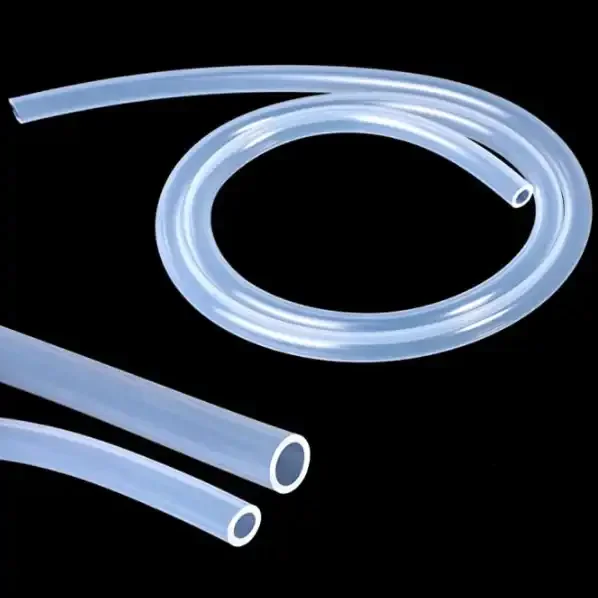
Understanding the optimal temperature range for silicone tube applications is crucial for engineers and procurement professionals selecting materials for high-heat fluid transfer systems. Silicone tubing demonstrates exceptional thermal stability across a remarkable temperature spectrum, making it the preferred choice when conventional materials fail to meet demanding thermal requirements. The unique molecular structure of silicone polymers enables these tubes to maintain flexibility, chemical resistance, and structural integrity at temperatures that would compromise other elastomeric materials.
The temperature range that positions silicone tube as the optimal solution typically spans from -65°C to +250°C (-85°F to +482°F), with specialized grades extending beyond these limits for extreme applications. This extraordinary thermal performance window encompasses the vast majority of industrial fluid transfer requirements, from cryogenic processing to high-temperature chemical handling. The silicone tube material maintains consistent performance characteristics throughout this range, unlike alternative materials that experience rapid degradation or become brittle at temperature extremes.
Critical Temperature Thresholds for Silicone Tube Performance
Standard Operating Temperature Range
The standard temperature range for general-purpose silicone tube applications extends from -40°C to +180°C (-40°F to +356°F), covering most industrial fluid transfer requirements. Within this range, silicone tube exhibits optimal balance of flexibility, tensile strength, and chemical compatibility. The material maintains consistent wall thickness and dimensional stability, ensuring reliable flow characteristics and connection integrity across temperature fluctuations.
Industrial applications operating within this standard range benefit from the silicone tube's ability to handle thermal cycling without developing stress cracks or permanent deformation. The polymer chains retain sufficient mobility to accommodate thermal expansion while maintaining the cross-linked structure necessary for pressure resistance. This temperature window encompasses pharmaceutical processing, food and beverage production, and general manufacturing applications where thermal stability is essential.
The performance characteristics of silicone tube within the standard range include maintained Shore A durometer ratings, consistent permeability properties, and reliable sealing capabilities. Engineering teams can specify standard-grade silicone tube for applications requiring dependable performance without the cost premium associated with high-temperature specialty formulations.
Extended High-Temperature Capabilities
Specialized silicone tube formulations extend the upper temperature limit to +250°C (+482°F) and beyond, addressing demanding applications in chemical processing, automotive systems, and aerospace fluid handling. These high-temperature grades incorporate enhanced cross-linking densities and stabilizing additives that prevent polymer degradation at extreme temperatures.
The extended temperature capability of premium silicone tube products enables operation in applications such as engine coolant systems, high-temperature chemical reactors, and thermal management circuits where alternative materials would fail. The molecular structure remains stable at these elevated temperatures, preventing the release of volatile compounds that could contaminate sensitive processes.
Applications requiring continuous operation above +200°C benefit from the silicone tube's resistance to thermal oxidation and UV degradation. The material maintains structural integrity without becoming brittle or developing surface cracking that could compromise fluid containment or introduce contamination risks.
Material Properties Enabling High-Temperature Performance
Molecular Structure Advantages
The silicon-oxygen backbone of silicone tube polymers provides inherent thermal stability that surpasses organic rubber compounds by significant margins. This inorganic backbone structure exhibits higher bond dissociation energy, requiring extreme temperatures to break the molecular chains that determine material integrity. The alternating silicon and oxygen atoms create a flexible yet thermally robust foundation for high-temperature fluid transfer applications.
Cross-linking density in silicone tube formulations can be optimized for specific temperature ranges, allowing manufacturers to balance flexibility requirements with thermal performance needs. Higher cross-link densities improve high-temperature stability but may reduce low-temperature flexibility, requiring careful formulation optimization for applications spanning wide temperature ranges.
The pendant organic groups attached to the silicon atoms influence both temperature performance and chemical compatibility of silicone tube products. Methyl groups provide general-purpose performance, while phenyl and vinyl substituents enhance high-temperature stability and processing characteristics respectively.
Thermal Degradation Resistance
Silicone tube materials demonstrate exceptional resistance to thermal degradation mechanisms that rapidly compromise alternative elastomers. The absence of unsaturated carbon-carbon bonds eliminates oxidative crosslinking pathways that cause hardening and embrittlement in conventional rubber materials. This resistance enables silicone tube applications to maintain performance characteristics throughout extended high-temperature exposure cycles.
Thermal aging studies demonstrate that silicone tube retains greater than 75% of original tensile strength after 1000 hours at +200°C, while maintaining flexibility and sealing performance. This degradation resistance translates to extended service life and reduced maintenance requirements in high-temperature fluid systems.
The thermal stability of silicone tube extends to resistance against thermal shock conditions, where rapid temperature changes could induce stress cracking in brittle materials. The inherent flexibility of silicone polymers accommodates thermal expansion differences without developing failure initiation sites.
Application-Specific Temperature Considerations
Chemical Processing Requirements
Chemical processing applications utilizing silicone tube for high-temperature fluid transfer must consider both thermal and chemical compatibility factors. Many chemical processes operate at elevated temperatures where the combination of heat and aggressive chemicals creates challenging service conditions. Silicone tube formulations designed for these applications incorporate enhanced chemical resistance while maintaining high-temperature performance capabilities.
Solvent compatibility of silicone tube at elevated temperatures requires careful evaluation, as some chemicals that are compatible at ambient conditions may cause swelling or degradation at process temperatures. Engineering specifications should account for the synergistic effects of temperature and chemical exposure on silicone tube performance parameters.
Process safety considerations in chemical applications include the thermal decomposition temperature of silicone tube materials, which typically exceeds +350°C for standard formulations. This safety margin ensures that even during abnormal operating conditions, the silicone tube will not undergo rapid decomposition that could create safety hazards or process contamination.
Pharmaceutical and Food Processing Applications
Pharmaceutical and food processing applications require silicone tube products that maintain regulatory compliance across the specified temperature range. USP Class VI and FDA-approved silicone tube formulations are designed to prevent leachable extraction at sterilization temperatures while providing the thermal performance necessary for hot filling, steam cleaning, and thermal processing operations.
Steam sterilization processes typically require silicone tube to withstand +121°C to +134°C (+250°F to +273°F) temperatures with saturated steam exposure. The silicone tube must maintain dimensional stability and surface integrity throughout repeated sterilization cycles without developing extractable compounds that could compromise product purity.
Hot filling applications in food processing may require silicone tube to handle continuous exposure to temperatures up to +85°C (+185°F) while maintaining food-grade compliance and preventing bacterial growth on internal surfaces. The smooth, non-porous surface of properly formulated silicone tube supports cleaning validation requirements in these regulated industries.
Performance Optimization and Selection Guidelines
Temperature Cycling Considerations
Applications involving frequent temperature cycling place additional demands on silicone tube performance beyond steady-state temperature exposure. The coefficient of thermal expansion for silicone materials requires consideration in system design to prevent stress concentration at connection points during thermal cycling. Proper system design accommodates the thermal expansion characteristics of silicone tube while maintaining leak-tight connections.
Fatigue resistance of silicone tube under thermal cycling conditions depends on both the temperature range and the rate of temperature change. Gradual temperature transitions allow the silicone tube material to accommodate thermal stresses without developing fatigue crack initiation sites. Rapid temperature changes may require enhanced wall thickness or specialized formulations to maintain long-term reliability.
System designers should evaluate the cumulative effects of temperature cycling on silicone tube performance, including changes in compression set, tensile properties, and dimensional stability. Accelerated testing protocols can predict long-term performance under specific thermal cycling conditions, enabling optimized silicone tube selection for demanding applications.
Wall Thickness and Pressure Considerations
The relationship between operating temperature and pressure capability of silicone tube requires careful evaluation for high-temperature applications. Elevated temperatures reduce the allowable working pressure of silicone tube due to decreased material stiffness and potential for creep deformation under sustained loads. Engineering calculations must account for temperature derating factors when specifying silicone tube for pressurized systems.
Wall thickness optimization for high-temperature silicone tube applications balances thermal performance, pressure capability, and flexibility requirements. Thicker walls provide enhanced pressure resistance and thermal mass but may reduce flexibility and increase thermal lag in temperature-sensitive processes. Finite element analysis can optimize wall thickness distribution for complex silicone tube geometries operating under combined thermal and pressure loads.
Burst pressure testing of silicone tube at elevated temperatures provides critical safety data for system design validation. The reduction in burst pressure with increasing temperature follows predictable patterns that enable engineering teams to establish appropriate safety factors for high-temperature fluid transfer applications using silicone tube components.
FAQ
What is the maximum continuous operating temperature for standard silicone tube?
Standard silicone tube formulations can operate continuously at temperatures up to +180°C (+356°F) while maintaining their physical and chemical properties. Specialized high-temperature grades extend this capability to +250°C (+482°F) or higher, depending on the specific polymer formulation and cross-linking density. The maximum temperature should be evaluated in conjunction with pressure requirements and chemical compatibility for the specific application.
How does low temperature affect silicone tube performance?
Silicone tube maintains flexibility and functionality down to -65°C (-85°F) for standard grades, with some specialized formulations operating effectively to -100°C (-148°F). Unlike many elastomers that become brittle at low temperatures, silicone tube retains sufficient flexibility for installation and service at these extreme conditions. The glass transition temperature of silicone polymers occurs well below typical application ranges, ensuring reliable performance across the full specified temperature spectrum.
Does temperature cycling reduce the lifespan of silicone tube?
Temperature cycling can affect silicone tube lifespan depending on the severity of temperature changes and the frequency of cycles. Gradual temperature transitions within the specified operating range have minimal impact on service life, while rapid thermal shock or operation near temperature limits may accelerate aging. Proper system design that accommodates thermal expansion and avoids stress concentration can minimize the impact of temperature cycling on silicone tube performance and longevity.
Can silicone tube handle steam sterilization temperatures?
Yes, pharmaceutical and medical-grade silicone tube is specifically designed to withstand steam sterilization temperatures of +121°C to +134°C (+250°F to +273°F). These formulations maintain dimensional stability and surface integrity throughout repeated autoclave cycles while meeting regulatory requirements for biocompatibility and extractables. The silicone tube must be properly supported during sterilization to prevent deformation under the combination of temperature, pressure, and steam exposure.