
 EN
EN
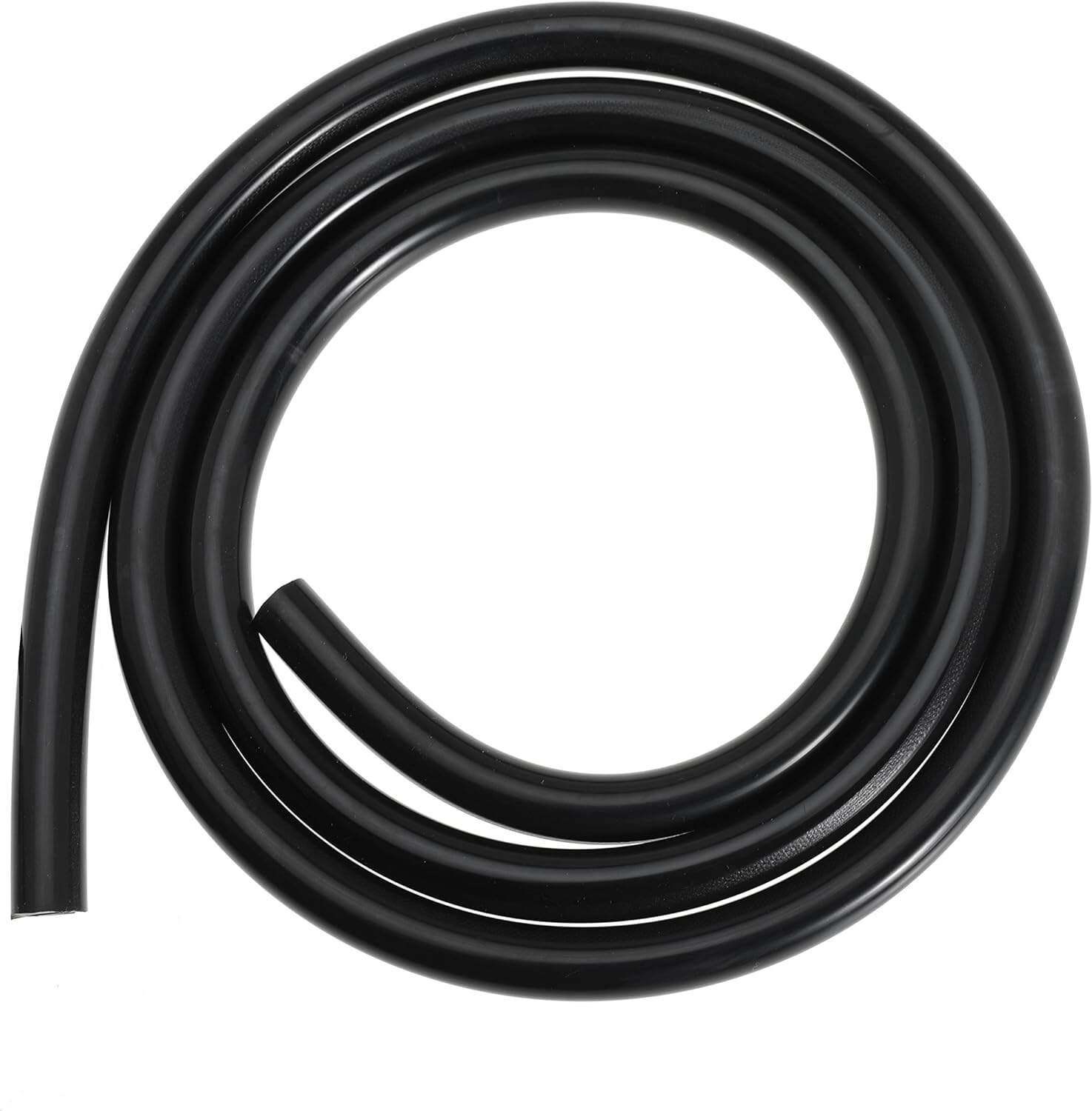
When selecting lighting solutions for outdoor deck environments, property owners and design professionals face a critical choice between silicone and PVC encased LED strips. The harsh realities of exterior installations—including temperature extremes, moisture infiltration, UV bombardment, and physical stress—demand materials that can maintain performance integrity over extended service periods. A silicone LED strip provides fundamentally superior durability characteristics compared to PVC alternatives specifically because of the molecular structure and chemical composition of silicone elastomers, which exhibit exceptional resistance to environmental degradation while maintaining flexibility and optical clarity under conditions that cause PVC materials to fail prematurely.
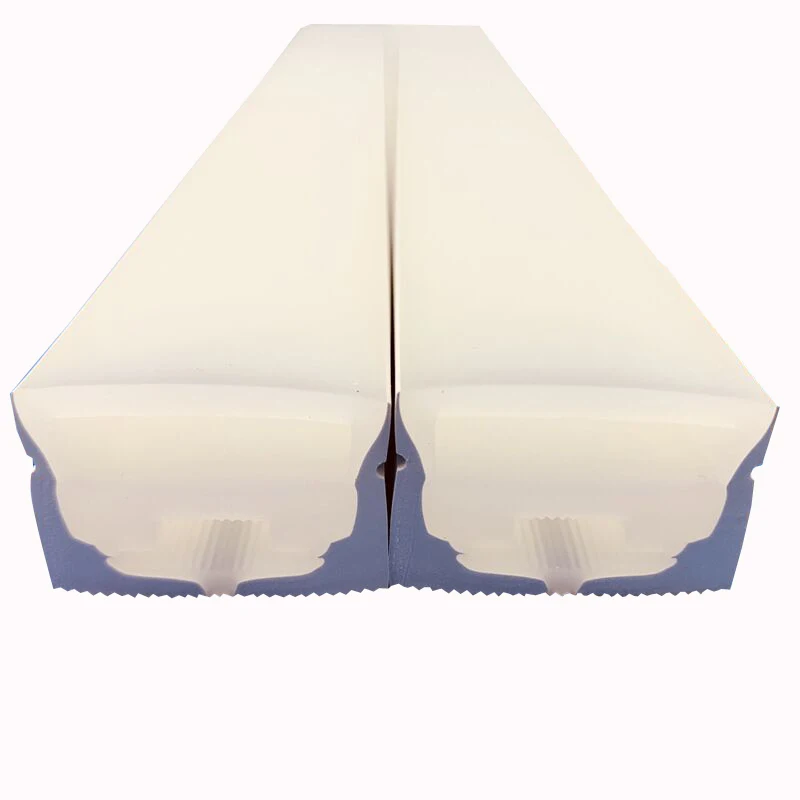
Understanding what drives the durability advantage of silicone over PVC requires examining the material science underlying both polymer systems and how their distinct properties respond to the specific stressors present in outdoor deck applications. While PVC has served as a cost-effective encapsulation material for interior LED applications, the thermal cycling, moisture exposure, chemical contact, and mechanical flexing inherent to deck installations reveal the limitations of vinyl-based polymers. Silicone compounds, by contrast, were engineered for extreme-environment performance, making them inherently better suited to the demanding conditions that define outdoor architectural lighting installations where longevity and consistent aesthetic presentation are paramount considerations.
Material Chemistry and Fundamental Structural Differences
Molecular Architecture of Silicone Elastomers
The exceptional durability of a silicone LED strip originates in the inorganic siloxane backbone that defines silicone polymers. Unlike organic carbon-chain polymers such as PVC, silicone features alternating silicon and oxygen atoms forming a flexible yet remarkably stable molecular structure. This silicon-oxygen bond possesses significantly higher bond energy than the carbon-carbon or carbon-chlorine bonds found in polyvinyl chloride, resulting in intrinsic resistance to thermal decomposition and oxidative breakdown. The inorganic character of the siloxane backbone prevents UV photons from breaking molecular bonds as readily as occurs with organic polymer chains, fundamentally explaining why silicone maintains integrity under prolonged solar exposure while PVC becomes brittle and discolored.
The side groups attached to the siloxane backbone in silicone compounds are typically organic methyl or phenyl groups that provide additional properties without compromising the core stability of the inorganic chain. This hybrid inorganic-organic architecture allows silicone to combine the flexibility and processability of organic polymers with the thermal and chemical stability of inorganic materials. For outdoor deck applications, this means a silicone LED strip can withstand temperature excursions from subzero winter conditions to summer surface temperatures exceeding 60°C without experiencing the molecular chain scission that causes PVC to crack and lose mechanical properties. The molecular mobility within silicone remains consistent across temperature ranges, preventing the embrittlement that afflicts PVC when exposed to cold temperatures and the softening that occurs at elevated temperatures.
PVC Composition and Inherent Limitations
Polyvinyl chloride consists of long chains of carbon atoms with alternating chlorine atoms attached, creating an organic polymer that requires substantial modification through plasticizers and stabilizers to achieve the flexibility needed for LED strip encapsulation. Pure PVC is rigid and brittle, so manufacturers incorporate plasticizing compounds—typically phthalate esters or alternative softening agents—that migrate between polymer chains to provide flexibility. This dependence on additives represents a fundamental weakness in outdoor applications, as plasticizers gradually leach out when exposed to moisture, temperature cycling, and UV radiation. As plasticizer content diminishes over time, the PVC matrix becomes progressively stiffer and more brittle, eventually developing surface cracks that allow moisture ingress and compromise the protective function of the encapsulation.
The chlorine content in PVC also creates vulnerability to degradation mechanisms not present in silicone materials. When exposed to UV radiation, the carbon-chlorine bonds can undergo photolytic cleavage, releasing hydrochloric acid and initiating a chain reaction of further degradation. This process causes discoloration, surface chalking, and progressive deterioration of mechanical properties. While stabilizer packages can slow this degradation, they cannot eliminate it entirely, particularly under the intense UV exposure characteristic of unshaded outdoor deck installations. The organic carbon backbone of PVC remains fundamentally susceptible to oxidation and thermal degradation in ways that the inorganic siloxane backbone of a silicone LED strip simply does not experience, creating a permanent durability disadvantage for PVC in demanding exterior environments.
Environmental Resistance Performance in Deck Conditions
Temperature Cycling and Thermal Stability
Outdoor deck surfaces experience dramatic temperature variations both daily and seasonally, with surface temperatures potentially ranging from minus 30°C in winter climates to over 70°C on dark deck surfaces during summer afternoons. A silicone LED strip maintains consistent mechanical and optical properties across this entire temperature spectrum because silicone elastomers exhibit an exceptionally broad service temperature range, typically from minus 40°C to 200°C without degradation. The glass transition temperature of silicone remains far below typical environmental minimums, ensuring the material retains flexibility even in arctic conditions. This consistent performance across temperature extremes means silicone encapsulation continues protecting LED components and maintaining even light output regardless of seasonal conditions.
PVC materials, conversely, undergo significant property changes as temperature varies. At low temperatures approaching 0°C and below, plasticized PVC becomes noticeably stiffer and more prone to cracking under flexural stress. The plasticizers themselves may crystallize or phase-separate at low temperatures, creating localized weak points in the material structure. At elevated temperatures, PVC softens excessively, and the accelerated plasticizer migration causes long-term property degradation. The coefficient of thermal expansion for PVC significantly exceeds that of silicone, meaning PVC encapsulation experiences greater dimensional changes during temperature cycling. These expansion and contraction cycles create mechanical stress at adhesive interfaces and can cause delamination between the LED strip substrate and the encapsulant, leading to moisture infiltration pathways that compromise electrical safety and LED longevity.
UV Radiation Resistance and Photo-Oxidative Stability
Direct solar exposure represents perhaps the most destructive environmental factor for polymer materials in outdoor deck applications. UV radiation contains sufficient photon energy to break chemical bonds in organic polymers, initiating degradation reactions that progressively destroy material integrity. A silicone LED strip demonstrates exceptional UV resistance because the silicon-oxygen bonds in the siloxane backbone require significantly more energy to dissociate than UV photons can provide. While UV absorption can still occur in the organic side groups, the inorganic backbone remains intact, and any radical species generated are quickly quenched by the inherent stability of the silicone matrix.
The superior UV resistance of silicone translates directly to maintained appearance and functionality over years of sun exposure. Silicone materials resist yellowing, chalking, and surface degradation that characterize aged PVC products. The optical clarity of silicone encapsulation remains essentially unchanged even after thousands of hours of UV exposure equivalent to multiple years of outdoor service, ensuring consistent light output and color rendering throughout the installation's service life. PVC materials, despite incorporating UV stabilizers and absorbers, inevitably undergo progressive discoloration and surface degradation when exposed to unfiltered sunlight. The yellowing and opacity development in aged PVC not only creates an unappealing aesthetic but also reduces light transmission efficiency, diminishing the effective brightness of the LED installation and creating uneven illumination as degradation proceeds at different rates across the installation.
Moisture Resistance and Hydrolytic Stability
Deck environments subject lighting installations to multiple moisture exposure mechanisms including direct precipitation, standing water accumulation, humidity condensation, and capillary moisture migration from deck materials. A silicone LED strip exhibits exceptional moisture resistance because silicone is inherently hydrophobic at the molecular level, with the methyl groups surrounding the siloxane backbone repelling water molecules. This hydrophobic character prevents moisture absorption into the silicone matrix, eliminating the swelling, property degradation, and dimensional instability that affect moisture-absorbing polymers. The water vapor transmission rate through silicone is higher than through PVC, which initially seems disadvantageous, but this permeability actually allows moisture that does penetrate the system to escape rather than becoming trapped and causing corrosion or electrical failure.
PVC materials demonstrate variable moisture resistance depending heavily on plasticizer type and formulation specifics. While PVC itself is relatively water-resistant, the plasticizers incorporated to provide flexibility often exhibit some hydrophilic character, creating pathways for moisture infiltration. More critically, the interfaces between PVC encapsulation and other system components—adhesive layers, LED substrates, and electrical connections—represent vulnerable points where moisture can penetrate and cause progressive damage. The dimensional changes PVC undergoes with temperature cycling create micro-gaps at these interfaces that allow capillary moisture infiltration. Once moisture enters these interfacial regions, the limited vapor permeability of PVC prevents effective drying, creating persistent wet conditions that accelerate corrosion of electrical components and delamination of adhesive bonds. Silicone's combination of surface hydrophobicity and controlled vapor permeability provides more effective long-term moisture management in the complex multi-material system of an LED strip installation.
Mechanical Durability and Physical Stress Resistance
Flexibility Retention and Fatigue Resistance
Deck installations subject LED strips to ongoing mechanical stresses including thermal expansion and contraction of deck materials, structural deflection under load, and potential impact from furniture movement or maintenance activities. A silicone LED strip maintains consistent flexibility throughout its service life because the elastomeric properties of silicone derive from the inherent molecular structure rather than from additives that can be lost over time. The siloxane backbone provides a permanent flexible character that does not degrade with age, UV exposure, or environmental conditioning. This retained flexibility allows silicone encapsulation to accommodate ongoing deck movement without developing fatigue cracks or stress concentrations that could compromise waterproof integrity or damage internal LED components.
The fatigue resistance of silicone substantially exceeds that of plasticized PVC in cyclic flexing applications. Laboratory testing demonstrates that silicone materials can withstand millions of flex cycles without crack initiation, while PVC materials begin showing fatigue damage after significantly fewer cycles, particularly after environmental conditioning that depletes plasticizer content. In practical deck applications, this difference manifests as maintained waterproof integrity and consistent appearance for silicone LED strip installations over many years, while PVC-encapsulated alternatives develop surface cracking and eventual failure at stress concentration points. The elastic memory of silicone also ensures that temporary deformation from impact or extreme flexing does not create permanent set or localized thinning that would compromise protection of LED components.
Abrasion Resistance and Surface Durability
While LED strips installed on deck surfaces may not experience direct foot traffic, they do encounter abrasion from deck cleaning activities, furniture dragging, and accumulated debris movement. The surface hardness and abrasion resistance of silicone LED strip materials provide adequate protection against these mechanical insults while maintaining the flexibility necessary for installation and accommodation of substrate movement. Silicone formulations can be engineered across a range of hardness values, with typical LED strip encapsulation materials falling in the 50 to 70 Shore A range that balances flexibility with surface durability. The cross-linked three-dimensional network structure of cured silicone provides resilience against surface damage, with the material tending to elastically deform under point loads rather than exhibiting permanent scratching or gouging.
PVC materials present a more complex abrasion resistance profile that changes significantly with temperature and environmental exposure. Fresh plasticized PVC can demonstrate reasonable abrasion resistance, but as plasticizer content diminishes through environmental leaching, the surface becomes harder and more brittle. This aged PVC surface is prone to scratching and micro-cracking under abrasive contact that would not damage fresh material. Additionally, the tackiness that can develop on PVC surfaces, particularly at elevated temperatures or with certain plasticizer systems, causes increased dirt adhesion and makes cleaning more difficult. The stable surface chemistry of silicone prevents tackiness development and facilitates easy cleaning, contributing to maintained aesthetic appearance throughout the installation's service life. The non-reactive surface of silicone also resists staining from common deck contaminants including tannins from wood, mildew, and atmospheric pollutants that can permanently discolor PVC surfaces.
Chemical Resistance and Environmental Compatibility
Resistance to Cleaning Chemicals and Deck Treatments
Outdoor decks require periodic cleaning and may receive chemical treatments including wood preservatives, sealers, cleaners, and mildewcides. A silicone LED strip demonstrates exceptional chemical resistance because the inorganic siloxane backbone is inert to most chemical agents encountered in deck maintenance. Silicone resists attack by dilute acids and bases, oxidizing agents, common solvents, oils, and the broad range of cleaning formulations used in residential and commercial deck maintenance. This chemical inertness ensures that routine deck cleaning and treatment activities do not degrade the LED strip encapsulation or compromise its protective function. The color stability of silicone also means that chemical exposure does not cause discoloration or staining that would create aesthetic issues.
PVC materials exhibit more limited chemical resistance, with particular vulnerability to certain solvents and aggressive cleaning formulations. Strong solvents can cause swelling or softening of PVC, and even brief contact with incompatible chemicals can extract plasticizers, leaving localized areas of embrittled material. Deck cleaning products containing strong alkaline compounds or oxidizing agents may cause surface degradation or discoloration of PVC encapsulation. Oil-based deck treatments and sealers can be absorbed into PVC, causing swelling and property changes that compromise dimensional stability and waterproof integrity. The chemical sensitivity of PVC necessitates careful selection of deck maintenance products and procedures to avoid damaging LED strip installations, while silicone LED strip materials tolerate essentially all reasonable maintenance chemicals without special precautions or compatibility concerns.
Biological Resistance and Contamination Prevention
The outdoor deck environment promotes biological growth including mildew, algae, and bacterial biofilms, particularly in shaded or moisture-prone areas. Silicone materials are inherently biologically inert and do not support microbial growth because they provide no nutritional value and resist surface colonization. The smooth, low-energy surface of silicone prevents biofilm adhesion, and any surface contamination that does occur can be easily removed through routine cleaning without leaving residual staining or degradation. This biological resistance ensures that silicone LED strip installations maintain clean appearance and hygienic conditions throughout their service life without requiring antimicrobial additives that could leach out over time.
PVC materials, particularly formulations containing bio-based plasticizers or certain additive packages, can be more susceptible to biological attack. Some microorganisms can metabolize plasticizers or other organic additives in PVC formulations, leading to progressive material degradation and surface contamination. Once biofilm establishes on PVC surfaces, the porous structure created by plasticizer migration and surface degradation makes complete cleaning difficult, leaving residual staining and providing nucleation sites for recurring contamination. In humid climates or shaded deck areas with limited air circulation, these biological resistance differences become particularly significant, with silicone LED strip installations maintaining pristine appearance while PVC alternatives develop persistent discoloration and require increasingly aggressive cleaning interventions that accelerate material degradation.
Long-Term Performance and Total Cost Considerations
Service Life Expectancy and Degradation Trajectories
The durability advantages of a silicone LED strip translate directly into extended service life in outdoor deck applications. Properly installed silicone-encapsulated LED strips can reasonably be expected to maintain performance and appearance for ten to fifteen years or more in demanding exterior environments, with the primary limitation being LED component longevity rather than encapsulation failure. The stable properties of silicone mean that performance degradation follows a very gradual trajectory, with minimal change in flexibility, transparency, or protective function even after years of environmental exposure. This predictable aging behavior allows confident long-term planning and reduces the risk of premature failure requiring unexpected replacement.
PVC-encapsulated LED strips typically demonstrate acceptable initial performance but experience accelerating degradation after three to five years of outdoor exposure as cumulative environmental damage reaches critical thresholds. The loss of plasticizer content, UV-induced chain scission, and moisture-related interfacial delamination progress at rates that depend heavily on specific exposure conditions, making service life prediction uncertain. Visual degradation including yellowing, surface cracking, and loss of optical clarity often becomes objectionable before actual functional failure occurs, necessitating replacement for aesthetic reasons even when electrical function persists. The non-linear degradation trajectory of PVC creates maintenance planning challenges and increases the probability of unexpected failures requiring emergency intervention. When comparing silicone LED strip and PVC alternatives, the extended service life of silicone substantially reduces the annualized cost of ownership despite higher initial material costs.
Installation Integrity and Adhesion Performance
The long-term durability of LED strip installations depends not only on encapsulation material properties but also on maintained adhesion to deck surfaces and dimensional stability under environmental stress. Silicone materials can be formulated with excellent adhesion to a wide range of substrate materials including wood, composite decking, metal, and various coating systems. Silicone adhesives and primers designed for exterior applications create durable bonds that resist moisture infiltration and maintain integrity through temperature cycling. The compatible thermal expansion characteristics and maintained flexibility of silicone LED strip materials reduce the mechanical stress at adhesive interfaces that can cause progressive delamination in less compliant systems.
PVC materials present greater adhesion challenges due to their higher coefficient of thermal expansion and the surface energy changes that occur as plasticizers migrate. The dimensional changes PVC undergoes with temperature cycling create shear stress at adhesive bonds that can exceed bond strength, particularly after environmental exposure has degraded adhesive properties. The plasticizer migration from PVC can also contaminate adhesive interfaces, progressively weakening bonds and creating pathways for moisture infiltration. Once moisture penetrates the adhesive layer, freeze-thaw cycling or trapped vapor pressure can cause rapid delamination. The installation integrity advantages of silicone LED strip systems contribute substantially to overall durability and reduce maintenance requirements compared to PVC alternatives that may require periodic re-adhesion or more frequent complete replacement.
FAQ
How long does a silicone LED strip last compared to PVC in outdoor conditions?
A silicone LED strip typically maintains full performance for ten to fifteen years or more in outdoor deck installations, with the limiting factor usually being LED component longevity rather than encapsulation failure. PVC-encapsulated alternatives generally show significant degradation after three to five years of exterior exposure, with progressive yellowing, cracking, and loss of flexibility requiring replacement well before silicone materials would need service. The difference stems from silicone's inherent UV resistance, thermal stability, and permanent flexibility versus PVC's dependence on plasticizers that leach out and organic polymer chains that degrade under environmental stress.
Does silicone LED strip require special installation techniques for deck applications?
Silicone LED strip installation follows similar general procedures as other LED strip types but benefits from using silicone-compatible primers and adhesives specifically formulated for exterior applications. Surface preparation is critical, requiring clean, dry substrates free from contaminants that could compromise adhesion. While silicone's flexibility makes handling easy, care should be taken to avoid over-stretching during installation, and appropriate expansion joints or stress relief loops should be incorporated in longer runs to accommodate deck material movement. The superior durability of silicone means proper installation will provide maintenance-free service for many years, making attention to installation best practices worthwhile.
Can existing PVC LED strips be replaced with silicone versions on decks?
Existing PVC LED strip installations can be replaced with silicone alternatives, and this upgrade often makes economic sense when PVC strips show degradation signs including yellowing, cracking, or reduced light output. The replacement process involves removing old strips, thoroughly cleaning substrate surfaces to eliminate any PVC plasticizer residue or adhesive remnants, and installing silicone LED strips using appropriate exterior-grade adhesives. In many cases, the electrical infrastructure can be reused, making the upgrade primarily a matter of replacing the strip itself. The extended service life and superior appearance retention of silicone LED strip products provide significant value that justifies the upgrade investment, particularly for visible installations where aesthetic degradation of PVC has become objectionable.
What maintenance does silicone LED strip require in outdoor deck installations?
Silicone LED strip installations require minimal maintenance beyond periodic cleaning to remove accumulated dirt, debris, and biological contamination. Simple washing with mild soap and water is typically sufficient, and the chemical resistance of silicone means standard deck cleaning products will not cause damage. Visual inspection annually or semi-annually allows identification of any physical damage from impact or unusual stress that might compromise waterproof integrity, though such damage is uncommon with properly installed systems. The electrical connections should be checked periodically to ensure maintained weather protection, but the silicone encapsulation itself requires no maintenance interventions and will maintain performance without degradation throughout its extended service life, unlike PVC alternatives that may require frequent cleaning to address discoloration and eventually need replacement due to material degradation.
Table of Contents
- Material Chemistry and Fundamental Structural Differences
- Environmental Resistance Performance in Deck Conditions
- Mechanical Durability and Physical Stress Resistance
- Chemical Resistance and Environmental Compatibility
- Long-Term Performance and Total Cost Considerations
-
FAQ
- How long does a silicone LED strip last compared to PVC in outdoor conditions?
- Does silicone LED strip require special installation techniques for deck applications?
- Can existing PVC LED strips be replaced with silicone versions on decks?
- What maintenance does silicone LED strip require in outdoor deck installations?