
 EN
EN
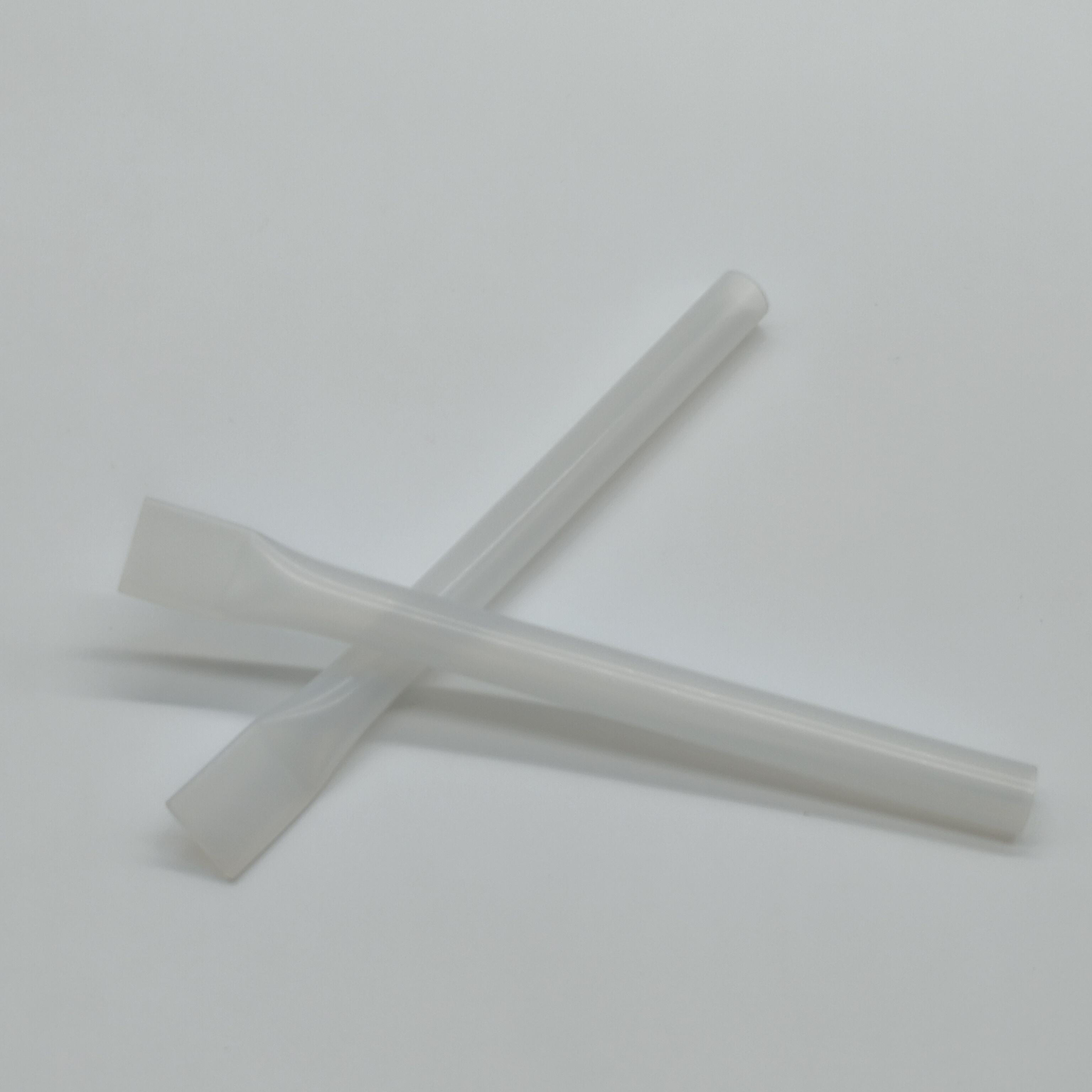
The selection of tubing materials in industries where product purity and human safety are paramount represents one of the most critical decisions engineers and procurement specialists face. Among the advanced elastomer solutions available today, platinum-cured silicone tube stands out for its exceptional low toxicity profile, making it the material of choice for applications where even trace contamination could compromise product integrity or patient safety. Understanding which specific applications derive the greatest benefit from this low toxicity characteristic requires examining the unique biochemical demands, regulatory landscapes, and risk profiles across various industrial sectors.
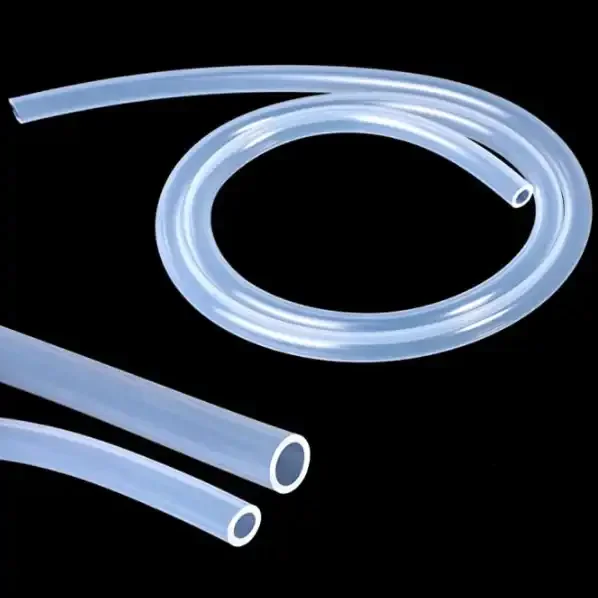
Medical device manufacturing, pharmaceutical processing, and food and beverage production each present distinct toxicity challenges that platinum-cured silicone tube addresses with unparalleled effectiveness. The curing chemistry itself—utilizing platinum catalysts rather than peroxide initiators—fundamentally eliminates volatile organic compound residues that could migrate into sensitive fluids or tissues. This article examines the application categories that realize the most significant operational, regulatory, and safety advantages from implementing platinum-cured silicone tube, providing decision-makers with the technical context needed to optimize material selection for their most demanding fluid transfer and containment requirements.
Medical Device Applications and Biocompatibility Requirements
Direct Blood Contact and Cardiovascular Devices
Cardiovascular applications represent perhaps the most demanding environment for tubing materials, where the platinum-cured silicone tube demonstrates its most critical value proposition. Devices such as heart-lung machines, dialysis equipment, and blood oxygenators require tubing that maintains direct contact with circulating blood for extended periods, often measured in hours during complex surgical procedures. The low toxicity profile of platinum-cured silicone tube becomes absolutely essential in these contexts because any leachable substances could trigger hemolysis, thrombosis, or inflammatory cascades that compromise patient outcomes.
The platinum curing process produces silicone tubing with extractable levels consistently below detection limits established by USP Class VI and ISO 10993 biocompatibility testing protocols. Unlike peroxide-cured alternatives that may retain trace catalyst residues, platinum-cured silicone tube achieves this purity through a hydrosilylation reaction that leaves no reactive byproducts. Clinical data from cardiovascular device manufacturers consistently demonstrates reduced incidence of post-procedural complications when platinum-cured materials replace conventional tubing formulations in blood-contacting pathways.
Implantable and Long-Term Contact Devices
Implantable medical devices including hydrocephalus shunts, catheter systems, and drug delivery reservoirs present another application category where the low toxicity of platinum-cured silicone tube provides irreplaceable advantages. These devices remain in continuous tissue contact for months or years, creating an exposure scenario where even minimal material toxicity accumulates to clinically significant levels. The biocompatibility profile of platinum-cured silicone tube has been validated through extensive chronic implantation studies demonstrating minimal fibrotic encapsulation and negligible systemic inflammatory response.
Regulatory pathways for implantable devices demand comprehensive biocompatibility documentation addressing cytotoxicity, sensitization, irritation, systemic toxicity, and carcinogenicity. Platinum-cured silicone tube consistently meets or exceeds these stringent requirements, whereas alternative materials often require surface modifications or specialized coatings to achieve comparable performance. The intrinsic purity of platinum-cured formulations eliminates the need for post-cure extraction processes, reducing manufacturing complexity while ensuring batch-to-batch consistency in toxicological properties.
Neonatal and Pediatric Medical Applications
Neonatal intensive care applications impose the most stringent toxicity requirements of any medical device category, as premature infants possess underdeveloped metabolic pathways and heightened sensitivity to chemical exposure. Feeding tubes, respiratory support systems, and intravenous delivery sets used in neonatal care benefit profoundly from the ultra-low extractables profile of platinum-cured silicone tube, which minimizes developmental toxicity risks during the most vulnerable stages of human growth.
Pediatric applications extend this sensitivity concern across a broader age range, requiring materials that will not interfere with normal development even during chronic use scenarios. The platinum-cured silicone tube formulation avoids phthalates, BPA, and other endocrine-disrupting compounds found in some alternative polymer systems, providing pediatric device manufacturers with a material platform that addresses both immediate toxicity concerns and long-term developmental safety. Clinical adoption of platinum-cured silicone in neonatal applications has accelerated as research increasingly links material purity to improved developmental outcomes in high-risk patient populations.
Pharmaceutical Manufacturing and Drug Contact Applications
Biopharmaceutical Processing Systems
The biopharmaceutical manufacturing sector has emerged as another primary beneficiary of platinum-cured silicone tube technology, particularly in single-use systems for cell culture, fermentation, and downstream purification processes. Biologic drug products including monoclonal antibodies, recombinant proteins, and gene therapies are extraordinarily sensitive to contamination, as even trace extractables can denature therapeutic proteins or introduce immunogenic impurities. The low toxicity and minimal extractables profile of platinum-cured silicone tube directly supports the industry's transition toward disposable processing systems that eliminate cross-contamination risks.
Regulatory agencies including the FDA and EMA have established increasingly rigorous extractables and leachables testing requirements for materials contacting drug substances, driven by recognition that tubing components can introduce complex organic compounds into pharmaceutical products. Platinum-cured silicone tube demonstrates superior performance in these analytical assessments, typically showing only siloxane oligomers as detectable extractables—compounds with well-characterized toxicological profiles and regulatory acceptance. This analytical simplicity reduces the validation burden for pharmaceutical manufacturers while providing confidence in product safety across diverse drug formulations.
Sterile Filling and Delivery Systems
Aseptic filling operations for injectable pharmaceuticals represent another application where the platinum-cured silicone tube provides essential safety advantages through its low toxicity characteristics. These systems must maintain absolute sterility while avoiding any material interaction that could compromise drug stability or introduce particulate contamination. The chemical inertness of platinum-cured silicone tube, combined with its ability to withstand repeated steam sterilization cycles without degradation, makes it uniquely suited for pharmaceutical filling lines where product purity cannot be compromised.
The stability of platinum-cured silicone tube under sterilization conditions directly relates to its low toxicity profile, as materials that degrade during thermal or radiation sterilization inevitably generate breakdown products that may leach into drug contact pathways. Pharmaceutical manufacturers implementing platinum-cured silicone tube in filling systems report reduced validation failures related to unexpected impurities, as the material's consistent performance eliminates a common source of out-of-specification results during product release testing.
Controlled Substance Delivery and Infusion Therapy
Ambulatory infusion devices, patient-controlled analgesia systems, and chemotherapy delivery equipment all depend on platinum-cured silicone tube to ensure that potent pharmaceutical agents reach patients without adulteration by tubing extractables. Many chemotherapeutic agents are themselves highly reactive compounds that can interact with tubing materials, potentially reducing drug efficacy or generating toxic degradation products. The chemical resistance and low reactivity of platinum-cured silicone tube minimizes these interactions, preserving drug potency throughout the delivery pathway.
Infusion therapy applications also benefit from the consistent drug delivery rates enabled by the stable physical properties of platinum-cured silicone tube, which maintains dimensional stability and flexibility across the temperature ranges encountered in clinical use. This performance consistency, combined with the material's low toxicity profile, explains why platinum-cured formulations have become the standard specification for precision infusion applications where therapeutic outcomes depend on accurate dosing over extended treatment periods.
Food and Beverage Processing Applications
Dairy Processing and Sensitive Product Handling
The dairy processing industry represents a significant application sector where platinum-cured silicone tube delivers substantial benefits through its combination of low toxicity, taste and odor neutrality, and resistance to fat and protein adsorption. Milk, cream, and fermented dairy products are particularly sensitive to off-flavors from tubing materials, making the chemical purity of platinum-cured silicone essential for maintaining product quality. Unlike conventional rubber compounds that can impart elastomeric tastes, platinum-cured silicone tube maintains organoleptic neutrality even during prolonged contact with high-fat dairy streams.
Regulatory compliance in dairy processing requires materials that meet both FDA food contact regulations and more stringent European Union standards addressing migration of substances into foodstuffs. The platinum-cured silicone tube consistently demonstrates migration levels well below regulatory limits for all tested food simulants, providing dairy processors with regulatory confidence across multiple market jurisdictions. This global regulatory acceptance streamlines equipment validation for multinational dairy operations requiring standardized material specifications across processing facilities.
Beverage Production and Flavor-Sensitive Applications
Premium beverage production, including craft brewing, winemaking, and specialty juice processing, demands tubing materials that preserve delicate flavor profiles without contributing off-notes or chemical taints. The platinum-cured silicone tube meets this requirement through its exceptional sensory neutrality, which stems directly from its low toxicity formulation and the absence of volatile additives. Beverage manufacturers consistently report that platinum-cured silicone allows nuanced flavor characteristics to pass through processing systems without the masking or alteration common with alternative tubing materials.
The alcohol resistance of platinum-cured silicone tube provides additional value in distilled spirits and wine applications, where many conventional elastomers swell or degrade upon contact with ethanol-containing liquids. This chemical stability ensures that the low toxicity characteristics of platinum-cured silicone tube remain constant throughout the service life of the tubing, eliminating the risk that alcohol extraction might mobilize additives or cure system residues that could contaminate finished products.
Infant Formula and Nutritional Product Manufacturing
Infant formula manufacturing represents perhaps the most toxicity-sensitive application in food processing, as formula serves as the sole nutritional source for vulnerable populations with developing immune and metabolic systems. The platinum-cured silicone tube has become the industry standard for formula processing equipment precisely because its ultra-low extractables profile minimizes infant exposure to non-nutritive substances. Regulatory scrutiny of infant formula manufacturing exceeds that applied to other food categories, making the documented safety profile of platinum-cured silicone a critical factor in equipment qualification.
Nutritional product manufacturers serving medical and geriatric populations face similar toxicity concerns, as these products often constitute primary nutrition for immunocompromised or metabolically vulnerable consumers. The platinum-cured silicone tube provides these manufacturers with a material platform that addresses both immediate food safety requirements and long-term consumer protection goals, supporting the industry's commitment to the highest purity standards in nutritional product manufacturing.
Laboratory and Analytical Applications
High-Purity Chemical Analysis Systems
Analytical laboratories conducting trace-level chemical analysis benefit substantially from the low background contamination provided by platinum-cured silicone tube in sample handling systems. Gas chromatography, liquid chromatography, and mass spectrometry applications demand materials that contribute minimal interference to analytical signals, particularly when detecting analytes at parts-per-billion concentration levels. The platinum-cured silicone tube generates significantly lower background signals than peroxide-cured alternatives, as the absence of cure system residues eliminates a common source of chromatographic artifacts.
Environmental testing laboratories analyzing pesticide residues, pharmaceutical contaminants, and industrial pollutants in water samples particularly value the non-adsorptive characteristics of platinum-cured silicone tube, which prevents loss of target analytes to tubing surfaces during sample transfer. This performance advantage directly stems from the chemical purity achieved through platinum curing, which produces a more uniform and less reactive surface chemistry compared to materials containing residual peroxides or organic additives that can interact with polar analytes.
Cell Culture and Tissue Engineering Research
Research laboratories conducting cell culture work and tissue engineering experiments require tubing materials that will not leach cytotoxic compounds into culture media, making platinum-cured silicone tube essential infrastructure for these applications. The documented biocompatibility of platinum-cured silicone tube extends to even the most sensitive primary cell cultures and stem cell lines, which can exhibit growth inhibition or differentiation anomalies when exposed to materials containing extractable toxins. Researchers consistently observe improved cell viability and more reproducible experimental outcomes when platinum-cured silicone replaces conventional tubing in perfusion bioreactors and media delivery systems.
The low toxicity characteristics of platinum-cured silicone tube also support regulatory compliance for research intended to support medical device submissions or pharmaceutical development programs, where material selection must be documented and justified according to Good Laboratory Practice standards. The extensive regulatory acceptance and biocompatibility documentation available for platinum-cured silicone simplifies protocol development and institutional review processes for research involving human tissues or cells destined for therapeutic applications.
Environmental Monitoring and Water Quality Testing
Environmental monitoring applications including water quality assessment, air sampling, and soil gas analysis utilize platinum-cured silicone tube to ensure that sampling systems do not introduce contamination that could confound analytical results or suggest pollution that does not actually exist in the environment. The chemical inertness of platinum-cured silicone tube is particularly valuable when monitoring for organic contaminants at regulatory threshold concentrations, where even minor contributions from sampling equipment could trigger false positive results and unnecessary remediation expenditures.
Water utilities implementing continuous monitoring for drinking water quality rely on platinum-cured silicone tube in sample delivery systems feeding online analytical instrumentation, as the material's stability and low leaching characteristics ensure measurement accuracy over extended deployment periods. The combination of UV resistance, ozone resistance, and toxicological safety makes platinum-cured silicone ideal for outdoor monitoring installations where sample integrity must be maintained despite environmental exposure.
Comparative Application Assessment and Selection Criteria
Quantifying Toxicity Risk Across Application Categories
When evaluating which application benefits most from the low toxicity of platinum-cured silicone tube, a systematic risk assessment framework considers exposure duration, biological sensitivity of contacted substances, and consequences of contamination. Medical applications involving direct blood contact or implantation present the highest severity risk profile, as toxicity in these contexts can result in immediate patient harm or chronic health effects. Pharmaceutical applications rank similarly high due to the combination of regulatory requirements and the potential for widespread patient exposure if contaminated drug products enter distribution channels.
Food and beverage applications present moderate toxicity risk that becomes severe in the specific case of infant formula manufacturing, where the vulnerable population and high consumption rates relative to body weight amplify potential impacts. Laboratory applications generally present lower direct human health risk but can generate significant indirect consequences through analytical errors that misguide environmental remediation, product release decisions, or research conclusions. This risk stratification suggests that medical device applications, particularly those involving vulnerable populations or invasive procedures, derive maximum benefit from the platinum-cured silicone tube's low toxicity profile.
Regulatory Drivers and Compliance Advantages
Regulatory frameworks across different industries create varying incentives for adopting platinum-cured silicone tube based on low toxicity characteristics. Medical device regulations impose the most comprehensive material biocompatibility requirements, including extensive extraction testing, biological response evaluation, and clinical performance validation. The platinum-cured silicone tube simplifies compliance with these requirements through its well-characterized toxicology profile and broad regulatory recognition, representing substantial value for medical device manufacturers facing lengthy approval processes.
Pharmaceutical applications face increasingly rigorous extractables and leachables requirements that effectively mandate the use of ultra-low toxicity materials like platinum-cured silicone tube for drug contact applications. The regulatory cost of qualifying alternative materials, combined with the risk of discovering problematic extractables late in product development, makes platinum-cured silicone the economically rational choice for pharmaceutical processing despite its premium pricing compared to conventional elastomers. Food processing regulations, while less stringent than medical device requirements, still favor platinum-cured silicone for high-value products where quality assurance and consumer safety are paramount considerations.
Total Cost of Ownership and Performance Longevity
The economic justification for selecting platinum-cured silicone tube based on low toxicity extends beyond initial material costs to encompass the total ownership expense including validation, quality control, replacement frequency, and risk mitigation. Medical applications typically justify premium material costs through reduced biocompatibility testing requirements, lower product liability exposure, and improved clinical outcomes that support premium device pricing. The extended service life of platinum-cured silicone tube in demanding applications further improves cost effectiveness by reducing replacement frequency and associated downtime.
Pharmaceutical manufacturers realize economic value from platinum-cured silicone tube through simplified extractables and leachables validation, reduced batch rejection rates due to contamination, and accelerated regulatory approval timelines. Food processors benefit from extended production runs between change-outs and reduced flavor carryover between product batches, advantages that translate directly to improved operational efficiency. These economic considerations reinforce that applications with the most stringent purity requirements and highest consequences of contamination achieve the greatest return on investment from implementing platinum-cured silicone tube based on its low toxicity characteristics.
FAQ
What makes platinum-cured silicone tube less toxic than peroxide-cured alternatives?
The toxicity advantage of platinum-cured silicone tube stems from its curing chemistry, which uses platinum catalysts to crosslink silicone polymers through a hydrosilylation reaction that produces no volatile byproducts. Peroxide-cured silicone relies on organic peroxide initiators that decompose during curing, leaving residual breakdown products including acetophenone, benzoic acid, and other organic compounds that can leach into contacted fluids. These residual compounds contribute to cytotoxicity and can cause extractables concerns in sensitive applications. The platinum catalyst remains chemically bound within the cured silicone matrix and does not migrate, resulting in an extractables profile consisting almost entirely of low-molecular-weight siloxane oligomers that exhibit minimal biological activity and are generally recognized as safe by regulatory agencies.
Can platinum-cured silicone tube be used for all medical device applications?
While platinum-cured silicone tube offers superior biocompatibility suitable for most medical device applications, material selection must still consider specific mechanical requirements, chemical compatibility, and cost constraints of each application. Certain high-pressure or high-temperature applications may require reinforced tubing configurations or alternative materials with superior mechanical properties. Some pharmaceutical compounds, particularly strong acids or bases, may interact with silicone despite its general chemical inertness. Cost-sensitive applications where extensive fluid contact does not occur may reasonably specify less expensive materials. However, for any application involving prolonged tissue contact, blood contact, or implantation, platinum-cured silicone tube represents the optimal balance of biocompatibility, performance, and regulatory acceptance, making it the preferred material choice for the vast majority of critical medical device fluid pathways.
How does the low toxicity of platinum-cured silicone tube affect food processing equipment validation?
The low toxicity profile of platinum-cured silicone tube substantially simplifies food processing equipment validation by reducing the complexity of migration testing and sensory evaluation required to demonstrate regulatory compliance. Food contact material regulations require manufacturers to demonstrate that substances migrating from processing equipment into food remain below established safety thresholds, a process that can require extensive analytical chemistry and toxicological assessment for materials with complex extractables profiles. Platinum-cured silicone tube generates minimal extractables, typically only showing siloxane oligomers with well-characterized safety profiles and established regulatory acceptance, allowing food processors to reference existing safety data rather than conducting original toxicology studies. The material's demonstrated sensory neutrality also reduces the need for extensive organoleptic testing across multiple product types, accelerating equipment qualification timelines and reducing validation costs compared to alternative tubing materials that may require product-specific compatibility testing.
What testing standards verify the low toxicity claims for platinum-cured silicone tube?
The low toxicity characteristics of platinum-cured silicone tube are verified through comprehensive testing protocols established by international standards organizations and regulatory agencies. USP Class VI testing evaluates acute systemic toxicity, intracutaneous reactivity, and implantation effects using standardized extraction conditions and biological test models, providing a baseline biocompatibility assessment widely recognized across the medical device industry. ISO 10993 series standards provide more detailed guidance for evaluating specific biological endpoints including cytotoxicity, sensitization, irritation, systemic toxicity, subchronic and chronic toxicity, genotoxicity, implantation, and hemocompatibility, with test selection based on the nature and duration of clinical contact. For food contact applications, FDA 21 CFR 177.2600 and European Union Regulation 10/2011 establish migration limits and testing protocols using food simulants representing different food types. Pharmaceutical applications additionally require extractables and leachables studies following protocols outlined in USP <1663>, <1664>, and <665> chapters, characterizing and quantifying all organic compounds that might transfer from tubing into drug products under relevant processing and storage conditions.
Table of Contents
- Medical Device Applications and Biocompatibility Requirements
- Pharmaceutical Manufacturing and Drug Contact Applications
- Food and Beverage Processing Applications
- Laboratory and Analytical Applications
- Comparative Application Assessment and Selection Criteria
-
FAQ
- What makes platinum-cured silicone tube less toxic than peroxide-cured alternatives?
- Can platinum-cured silicone tube be used for all medical device applications?
- How does the low toxicity of platinum-cured silicone tube affect food processing equipment validation?
- What testing standards verify the low toxicity claims for platinum-cured silicone tube?