
 EN
EN
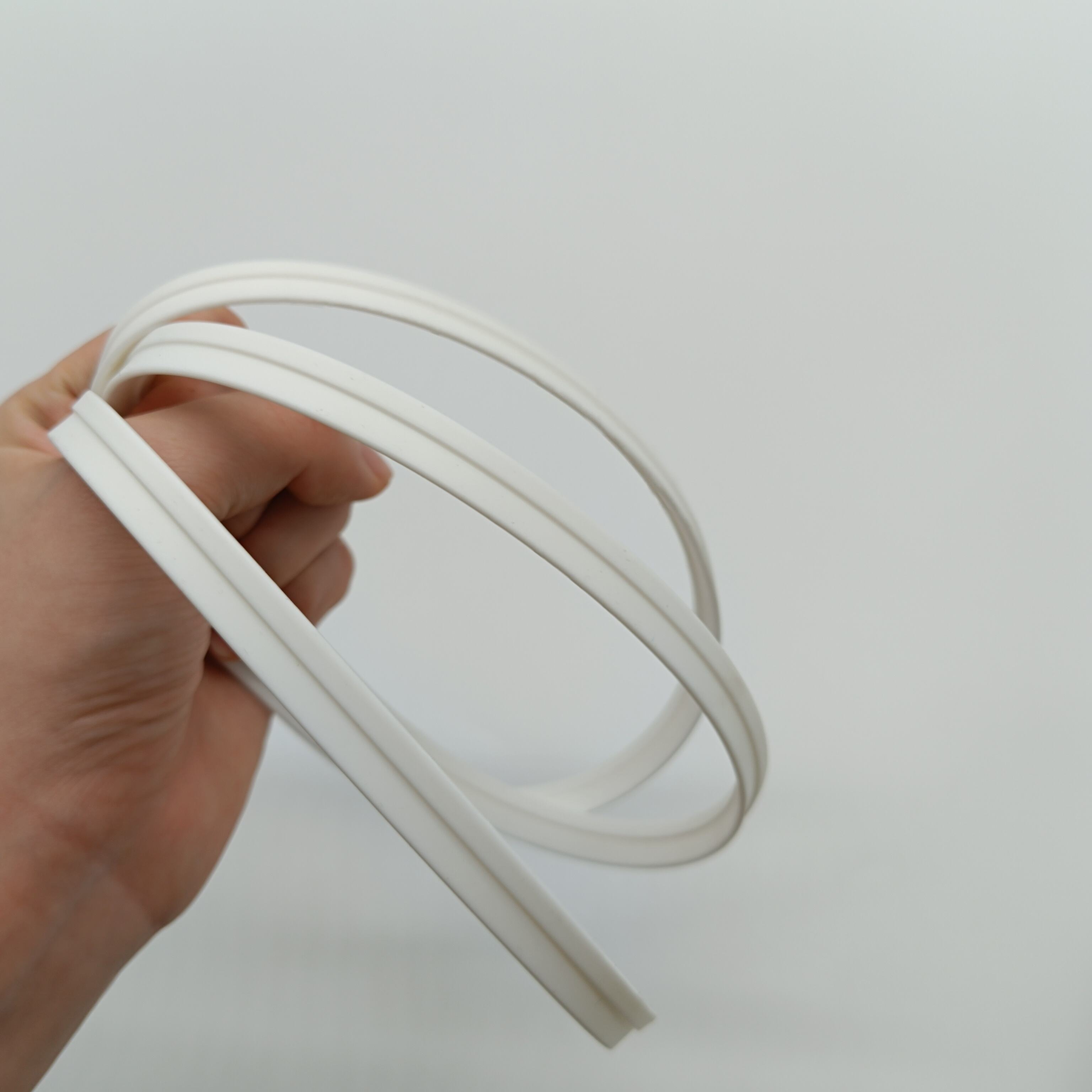
Peristaltic pumps have become indispensable in industries requiring precise, contamination-free fluid transfer, from pharmaceutical manufacturing to food processing and chemical dosing systems. At the heart of every peristaltic pump lies a critical component that directly determines performance, longevity, and reliability: the tubing material. Among the various elastomers available, silicone tube for peristaltic pump applications stands out as the preferred choice for countless operations worldwide. Understanding the specific advantages that silicone tubing brings to peristaltic pump systems helps engineers and procurement professionals make informed decisions that optimize both operational efficiency and cost-effectiveness over the equipment lifecycle.
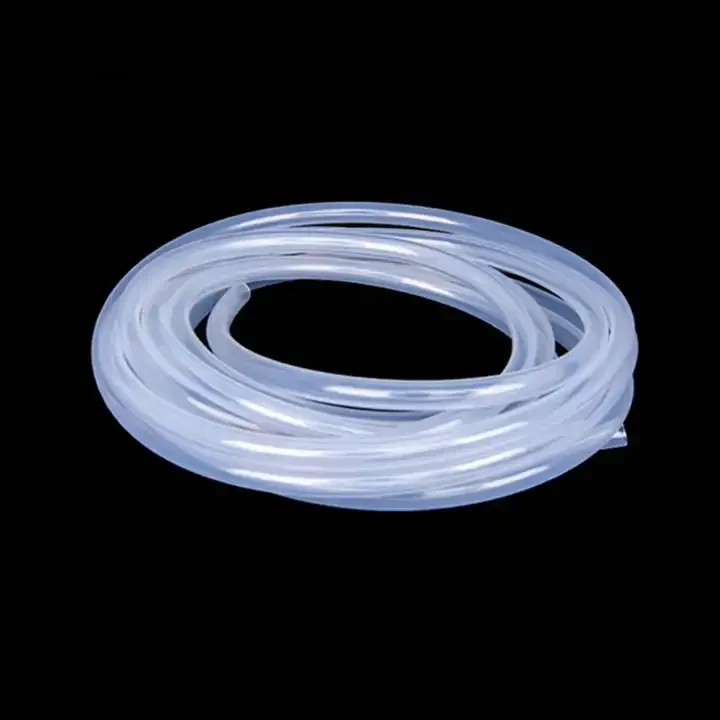
The advantages of silicone tube for peristaltic pump applications extend far beyond simple material compatibility. These specialized tubes deliver exceptional chemical resistance, superior flexibility, biocompatibility, and temperature tolerance that collectively address the demanding requirements of modern industrial processes. Whether handling corrosive chemicals, temperature-sensitive pharmaceutical compounds, or sterile food ingredients, the unique properties of silicone tubing enable peristaltic pumps to maintain consistent performance while minimizing maintenance costs and downtime. This comprehensive examination explores the key advantages that make silicone tubing the optimal choice for diverse peristaltic pumping applications across multiple industrial sectors.
Chemical Resistance and Material Compatibility Advantages
Broad Chemical Compatibility Profile
One of the most significant advantages of silicone tube for peristaltic pump operations involves its exceptional resistance to a wide range of chemicals and fluids. Silicone tubing maintains structural integrity when exposed to dilute acids, bases, alcohols, and many oxidizing agents that would rapidly degrade alternative elastomeric materials. This chemical stability ensures that the pumped fluid remains uncontaminated by tube degradation products, which is particularly critical in pharmaceutical formulation, laboratory research, and food processing applications where product purity cannot be compromised. The inert nature of medical-grade silicone prevents unwanted chemical reactions between the tube material and process fluids, eliminating concerns about leaching or absorption that could alter fluid composition.
Resistance to Cleaning Agents and Sterilization
Industrial peristaltic pump systems frequently require rigorous cleaning and sterilization protocols to prevent cross-contamination between different product runs. silicone tube for peristaltic pump applications demonstrates outstanding resistance to common cleaning agents including alkaline detergents, sanitizing solutions, and disinfectants used in clean-in-place systems. Unlike rubber compounds that may swell or deteriorate when exposed to aggressive cleaning chemicals, silicone tubing maintains dimensional stability and mechanical properties throughout repeated cleaning cycles. This resistance translates directly into extended service life and reduced replacement frequency, delivering substantial cost savings over the operational lifetime of the pumping system.
Non-Reactive Properties for Sensitive Fluids
Many industrial processes involve handling chemically sensitive fluids that can react with trace contaminants or catalytic surfaces. Silicone tube for peristaltic pump applications provides a chemically inert transfer path that prevents unwanted reactions or degradation of valuable process fluids. In pharmaceutical manufacturing, this non-reactive characteristic ensures that active pharmaceutical ingredients maintain their potency and stability during transfer operations. Similarly, in biotechnology applications involving enzyme solutions, cell cultures, or protein suspensions, the biologically inert surface of silicone tubing prevents denaturation or loss of biological activity. This chemical passivity makes silicone the material of choice when fluid integrity is paramount to process success.
Flexibility and Mechanical Performance Benefits
Superior Elastic Recovery Properties
The operational principle of peristaltic pumps relies on repeated compression and release of flexible tubing by rotating rollers or shoes. This continuous mechanical stress demands tubing materials with exceptional elastic recovery characteristics. Silicone tube for peristaltic pump systems exhibits outstanding resilience, returning to its original shape after millions of compression cycles without developing permanent deformation or compression set. This elastic memory ensures consistent pump flow rates and accuracy throughout the tube's service life, eliminating the gradual flow rate decay that occurs with materials that develop compression set. The superior flexibility of silicone also reduces the mechanical stress on pump components, potentially extending the service life of rollers, bearings, and drive mechanisms.
Wide Operating Temperature Range
Temperature extremes pose significant challenges for many elastomeric materials used in fluid transfer applications. Silicone tube for peristaltic pump operations maintains flexibility and mechanical properties across an exceptionally wide temperature range, typically from negative forty degrees Celsius to positive two hundred degrees Celsius. This thermal stability allows peristaltic pumps equipped with silicone tubing to handle both cryogenic fluids and elevated-temperature processes without material failure or performance degradation. In applications involving thermal cycling or temperature-variable processes, silicone tubing accommodates thermal expansion and contraction without cracking or losing sealing integrity. This temperature versatility eliminates the need for material substitution when process conditions change, simplifying inventory management and reducing procurement complexity.
Low Compression Set for Extended Service Life
Compression set, the permanent deformation that occurs when elastomeric materials are subjected to sustained compression, represents a critical failure mode in peristaltic pump tubing. As compression set increases, the tubing loses its ability to seal against the pump housing, resulting in backflow, reduced flow accuracy, and eventual complete loss of pumping action. High-quality silicone tube for peristaltic pump applications demonstrates remarkably low compression set values even after extended service periods, maintaining dimensional accuracy and sealing performance far longer than alternative materials. This resistance to permanent deformation directly translates into extended replacement intervals, reducing both material costs and labor expenses associated with tube changes. In high-duty-cycle applications running continuously or near-continuously, this longevity advantage delivers substantial operational cost benefits.
Biocompatibility and Safety Advantages
Medical and Pharmaceutical Grade Compliance
Regulatory compliance represents a non-negotiable requirement in pharmaceutical, medical device, and biotechnology applications. Silicone tube for peristaltic pump systems used in these sectors can be manufactured to meet stringent regulatory standards including United States Pharmacopeia Class VI, Food and Drug Administration regulations for food contact, and European Pharmacopoeia requirements. These certifications provide documented assurance that the tubing material will not leach toxic compounds, support microbial growth, or introduce pyrogenic substances into process fluids. The availability of fully traceable, lot-controlled silicone tubing with complete material certification documentation simplifies validation processes and regulatory submissions, accelerating time-to-market for new pharmaceutical products and medical devices.
Taste and Odor Neutrality for Food Applications
Food and beverage processing operations demand transfer materials that will not impart flavors, odors, or colors to products. Platinum-cured silicone tube for peristaltic pump applications in food processing provides absolutely neutral organoleptic properties, ensuring that product taste, aroma, and appearance remain unaffected during transfer operations. This characteristic is particularly critical in applications involving delicate flavors, such as dairy products, fruit juices, wines, and flavor concentrates, where even trace contamination would be immediately detectable to consumers. The non-porous surface of silicone tubing also prevents absorption of flavors or colors from previous product runs, enabling quick changeovers between different products without extensive flushing cycles or concerns about flavor carryover.
Bacterial Resistance and Sanitation
Microbial contamination presents serious risks in pharmaceutical, food, and biotechnology applications, potentially compromising product safety and regulatory compliance. Silicone tube for peristaltic pump systems offers inherent resistance to bacterial adhesion and biofilm formation due to its smooth, non-porous surface characteristics. Unlike materials with microscopic surface irregularities that can harbor microorganisms, properly manufactured silicone tubing presents minimal sites for bacterial attachment. When combined with appropriate cleaning and sterilization protocols, this bacterial resistance helps maintain hygienic transfer conditions throughout production campaigns. The ability to withstand steam sterilization, autoclaving, and chemical sanitization without material degradation ensures that silicone tubing can meet the most demanding sanitary requirements in controlled manufacturing environments.
Optical Clarity and Process Monitoring Benefits
Visual Verification of Flow Conditions
Transparent or translucent silicone tube for peristaltic pump applications provides valuable visual confirmation of fluid flow, enabling operators to quickly verify proper pump operation without interrupting the process. This optical clarity allows immediate detection of air bubbles, particulate contamination, phase separation, or flow interruptions that might indicate upstream supply problems or pump malfunctions. In laboratory and pilot-scale applications, the ability to visually monitor fluid color, clarity, and flow characteristics provides real-time process feedback that can inform operational decisions. The transparency of silicone tubing also facilitates inspection for tube wear, internal deposits, or degradation, allowing proactive replacement before tube failure causes process disruption or contamination.
Integration with Optical Sensors
Modern process control systems increasingly rely on non-invasive optical sensing technologies for flow verification, bubble detection, and fluid property monitoring. The optical transparency of silicone tube for peristaltic pump systems enables seamless integration with photoelectric sensors, ultrasonic detectors, and optical flow meters that operate through the tube wall. This non-invasive sensing capability eliminates the need for inline flow meters or sampling ports that introduce additional contamination risks and complexity. In applications requiring precise dosing or automated process control, the compatibility of transparent silicone tubing with optical sensing technologies enhances system reliability and measurement accuracy while maintaining closed-system integrity.
Color Coding for Process Identification
While transparent silicone tubing offers visibility advantages, pigmented silicone tube for peristaltic pump applications provides color-coding benefits that reduce the risk of cross-connections in complex systems with multiple fluid streams. Colored silicone tubing maintains all the chemical resistance, flexibility, and biocompatibility advantages of transparent grades while adding visual differentiation that helps operators and maintenance personnel quickly identify specific fluid paths. This color-coding capability is particularly valuable in pharmaceutical manufacturing facilities handling multiple active ingredients, chemical processing plants with numerous reagent streams, or laboratory environments with parallel experimental setups. The stable pigmentation of properly formulated colored silicone tubing resists fading from UV exposure or chemical contact, maintaining clear identification throughout the tube's service life.
Economic and Operational Efficiency Advantages
Extended Replacement Intervals
Although silicone tube for peristaltic pump applications typically carries a higher initial unit cost compared to alternative elastomers, the superior durability and resistance to wear translates into significantly extended service life. In continuous-duty applications, high-quality silicone tubing can operate for thousands of hours before requiring replacement, compared to hundreds of hours for lower-grade materials. This extended replacement interval delivers multiple economic benefits: reduced material costs over the equipment lifetime, decreased labor expenses associated with tube changes, and minimized production downtime required for maintenance activities. In critical applications where unplanned downtime carries substantial financial penalties, the reliability and longevity of silicone tubing provides valuable insurance against unexpected failures.
Reduced Validation and Quality Control Burden
Regulatory validation represents a significant cost factor in pharmaceutical and food processing operations, requiring extensive documentation and testing whenever process materials are changed. The chemical stability and batch-to-batch consistency of pharmaceutical-grade silicone tube for peristaltic pump systems minimizes validation burdens by delivering predictable, reproducible performance across different production lots and suppliers. Unlike materials that may exhibit significant property variations between batches, properly manufactured silicone tubing maintains tight specifications that eliminate the need for extensive revalidation when tubes are replaced or sourced from alternative suppliers. This consistency reduces quality control testing requirements, accelerates change approvals, and simplifies regulatory submissions, delivering both time and cost savings in validated manufacturing environments.
Energy Efficiency Through Reduced Friction
The smooth surface and inherent lubricity of silicone tube for peristaltic pump applications reduces frictional resistance between the tubing and pump mechanism, decreasing the mechanical energy required to maintain fluid flow. This reduced friction translates into lower motor power requirements, decreased heat generation, and extended bearing life in the pump drive mechanism. In large-scale installations with multiple pumps operating continuously, the cumulative energy savings from reduced friction can deliver measurable reductions in operating costs. Additionally, the lower heat generation associated with reduced friction helps maintain stable fluid temperatures during transfer, which is particularly important in applications involving temperature-sensitive biological materials or thermally unstable chemical compounds.
FAQ
How long does silicone tube typically last in peristaltic pump applications?
The service life of silicone tube for peristaltic pump applications varies significantly based on operating conditions, pump speed, compression ratio, and fluid characteristics. In typical industrial applications with properly sized tubing and appropriate pump settings, high-quality silicone tubing can operate for 500 to 2000 hours or more before requiring replacement. Continuous-duty applications with moderate pump speeds generally achieve the longest service life, while high-speed intermittent operations with aggressive compression may necessitate more frequent replacement. Regular inspection of tubing for wear indicators such as wall thinning, surface cracking, or compression set helps optimize replacement timing and prevents unexpected failures.
Can silicone tubing handle abrasive or particle-laden fluids in peristaltic pumps?
While silicone tube for peristaltic pump systems demonstrates excellent chemical resistance and flexibility, it exhibits moderate abrasion resistance compared to harder elastomers. Applications involving highly abrasive slurries, sharp-edged particles, or fluids with significant suspended solids concentration may cause accelerated wear of the inner tube wall, reducing service life. For moderately abrasive applications, reinforced silicone tubing with enhanced wall thickness or dual-layer construction can extend service intervals. However, in extremely abrasive service conditions, alternative materials with superior abrasion resistance may deliver better performance and economics despite sacrificing some of the chemical resistance and flexibility advantages that silicone provides.
What temperature limitations should be considered when using silicone tubing in peristaltic pumps?
Standard silicone tube for peristaltic pump applications maintains flexibility and mechanical properties across a temperature range from approximately negative 40 degrees Celsius to positive 180 degrees Celsius, with specialty high-temperature formulations extending the upper limit to 200 degrees Celsius or higher. Within this range, silicone tubing retains elastic recovery and chemical resistance without significant degradation. However, sustained exposure to temperatures near the upper operating limit, particularly when combined with chemical exposure or mechanical stress, may reduce service life. Applications involving thermal cycling should allow adequate time for the tubing to stabilize at ambient temperature before initiating pumping operations to minimize thermal stress and extend tube longevity.
Is there a difference between medical-grade and industrial-grade silicone tubing for peristaltic pumps?
Medical-grade and pharmaceutical-grade silicone tube for peristaltic pump applications undergo more rigorous manufacturing controls, quality testing, and documentation compared to industrial-grade materials. Medical-grade silicone is typically platinum-cured rather than peroxide-cured, eliminating residual curing agents that could leach into process fluids. These premium grades meet biocompatibility standards such as USP Class VI and ISO 10993, include comprehensive extractables and leachables testing, and provide full material traceability documentation required for regulatory submissions. While industrial-grade silicone tubing may deliver adequate performance in non-critical applications, pharmaceutical, biotechnology, and food processing operations should specify certified medical or food-grade materials to ensure regulatory compliance and product safety.
Table of Contents
- Chemical Resistance and Material Compatibility Advantages
- Flexibility and Mechanical Performance Benefits
- Biocompatibility and Safety Advantages
- Optical Clarity and Process Monitoring Benefits
- Economic and Operational Efficiency Advantages
-
FAQ
- How long does silicone tube typically last in peristaltic pump applications?
- Can silicone tubing handle abrasive or particle-laden fluids in peristaltic pumps?
- What temperature limitations should be considered when using silicone tubing in peristaltic pumps?
- Is there a difference between medical-grade and industrial-grade silicone tubing for peristaltic pumps?