
 EN
EN
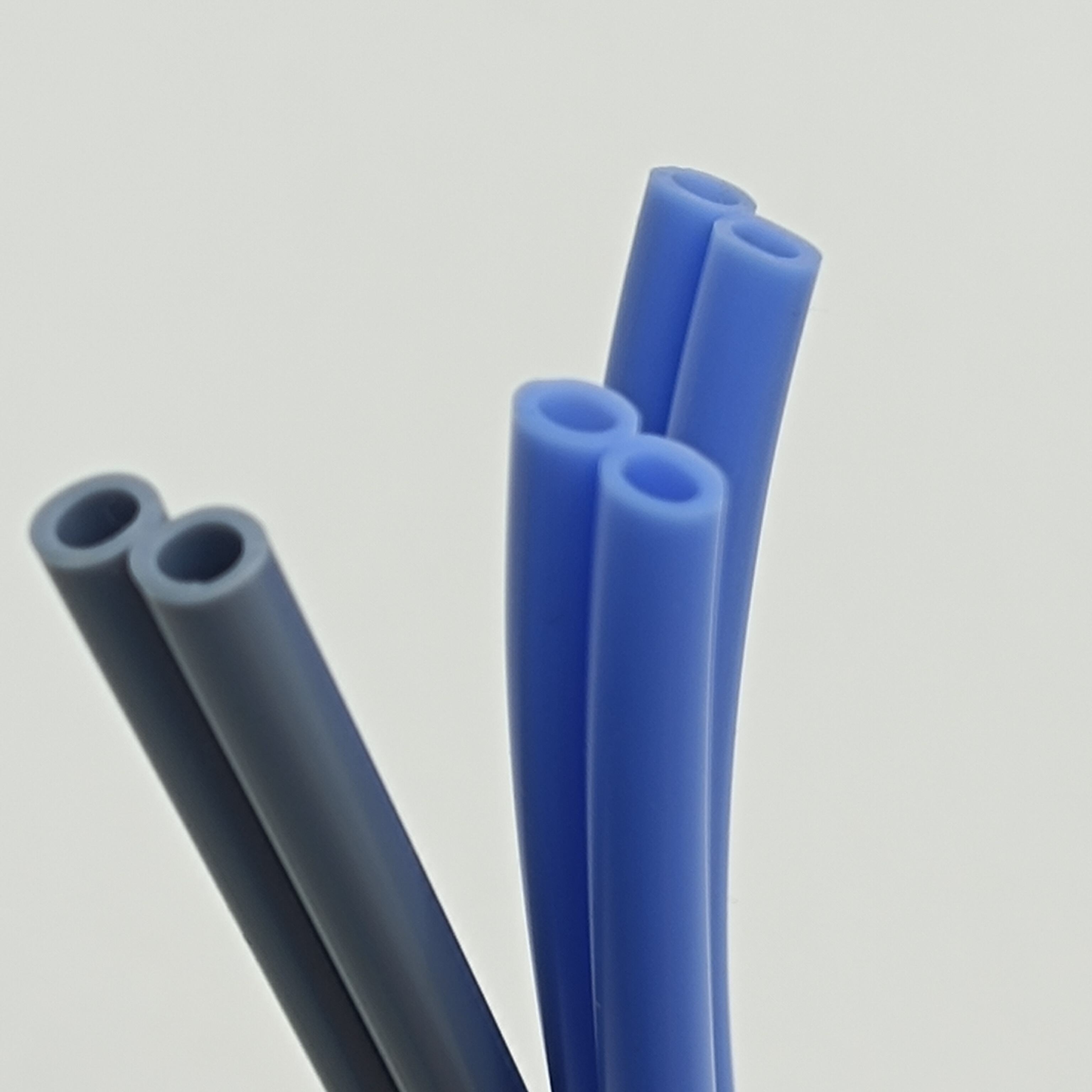
Selecting the appropriate silicone tube for fluid transfer applications requires careful consideration of material hardness, commonly measured by durometer. The durometer rating directly influences the tube's flexibility, compression resistance, and compatibility with specific fluids, making it a critical specification for engineers and procurement professionals. Understanding how to match durometer values to your operational requirements ensures optimal performance, longevity, and safety in industrial, medical, and food processing environments.
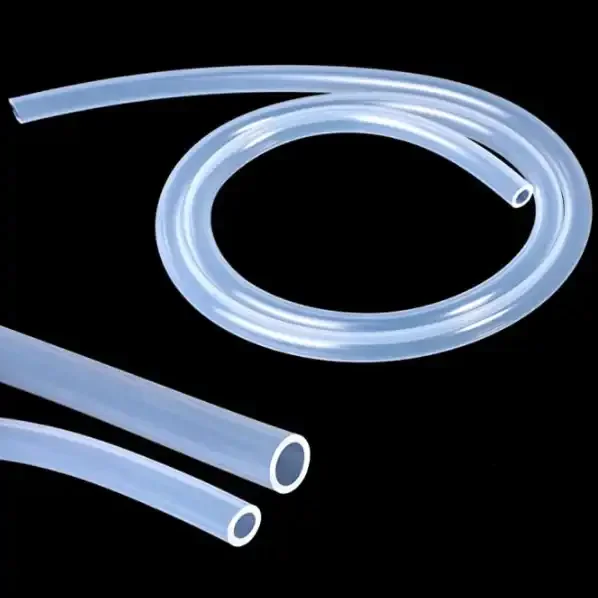
The durometer scale provides a standardized measurement of material hardness, with Shore A being the most common scale for flexible materials like silicone tubing. This guide explores the technical relationship between durometer ratings and fluid transfer performance, helping you navigate specification requirements, application constraints, and selection criteria to identify the ideal silicone tube for your specific fluid handling needs.
Understanding Durometer Measurement and Its Impact on Fluid Transfer Performance
What Durometer Ratings Mean for Silicone Tube Applications
Durometer measures the resistance of silicone material to indentation, expressed on the Shore A scale for flexible polymers. Most silicone tube products range from 30A to 80A Shore hardness, with lower numbers indicating softer, more flexible materials and higher numbers representing firmer compounds. This hardness characteristic affects how the tube responds to pressure, bending, and external forces during fluid transfer operations.
For fluid transfer applications, durometer selection directly impacts flow characteristics, pump compatibility, and connection integrity. Softer silicone tube formulations with durometer ratings between 30A and 50A offer exceptional flexibility and conform easily to irregular surfaces, making them ideal for peristaltic pump applications where repeated compression is required. These softer tubes also provide superior vibration dampening and reduce stress concentrations at connection points.
Firmer silicone tube options with durometer values from 60A to 80A deliver increased dimensional stability and resistance to collapse under vacuum conditions. These harder formulations maintain their circular cross-section more effectively during suction operations and resist deformation when exposed to elevated temperatures or chemical exposure. The trade-off involves reduced flexibility and increased installation effort, particularly in tight routing configurations.
How Durometer Affects Pressure Ratings and Flow Dynamics
The relationship between durometer and pressure capacity is fundamental to safe system design. Softer silicone tube formulations expand more readily under internal pressure, which can lead to dimensional changes that affect flow rates and connection security. A 40A durometer silicone tube typically handles lower working pressures compared to a 70A equivalent with identical wall thickness.
Engineers must calculate burst pressure and working pressure based on the combined factors of durometer, wall thickness, and internal diameter. Softer materials provide a safety margin through gradual expansion before failure, while harder compounds may fail more suddenly but at higher absolute pressures. This failure mode consideration is particularly important in critical applications where leak detection and gradual degradation warnings are valued.
Flow efficiency also varies with durometer selection. Harder silicone tube materials maintain smoother internal surfaces under pressure fluctuations, reducing turbulence and pressure drop in long transfer runs. Softer tubes may develop slight internal irregularities under pulsating flow conditions, though this effect is typically negligible in most industrial applications. The surface energy characteristics of silicone remain relatively consistent across durometer ranges, maintaining low friction coefficients regardless of hardness.
Matching Durometer to Specific Fluid Transfer Requirements
Chemical Compatibility Considerations Across Durometer Ranges
While silicone tube materials generally offer broad chemical resistance, durometer selection can influence the rate of degradation and permeation for certain aggressive fluids. Softer silicone formulations present more free volume within the polymer matrix, potentially allowing faster permeation of small molecules and solvents. This characteristic becomes significant when transferring volatile organic compounds or aggressive cleaning agents.
Harder durometer silicone tube options provide denser molecular packing, which can slow permeation rates and extend service life when handling aromatic hydrocarbons, certain alcohols, and concentrated cleaning solutions. However, the fundamental chemical resistance of silicone remains dependent on the base polymer formulation rather than hardness alone. Testing with actual process fluids under operating conditions remains the most reliable validation method.
Temperature exposure interacts with durometer effects on chemical resistance. Elevated temperatures increase molecular mobility in all silicone compounds, but softer formulations may reach critical swelling or softening points at lower temperatures than harder variants. For fluid transfer systems operating above 150°C, selecting a durometer rating of 60A or higher typically provides better dimensional stability and resistance to thermal degradation over extended service periods.
Pump Compatibility and Durometer Selection Guidelines
Peristaltic pump applications demand specific durometer characteristics to balance tube life against pumping efficiency. These positive displacement pumps compress the silicone tube against a raceway, creating sealed chambers that move fluid through mechanical occlusion. Softer tubes with durometer ratings between 40A and 55A generally provide optimal performance in standard peristaltic systems.
The softer silicone tube materials recover more completely after each compression cycle, reducing permanent deformation and extending operational life. This elastic recovery characteristic is quantified through compression set testing, which typically shows superior performance in the 40A to 50A range for repeated flexing applications. Harder tubes may develop flat spots or stress cracks more quickly under continuous peristaltic action.
For gear pumps, centrifugal pumps, and other designs that do not compress the silicone tube during operation, firmer durometer ratings from 60A to 75A often prove more suitable. These applications benefit from the dimensional stability and reduced expansion of harder compounds, particularly at inlet connections where vacuum conditions may exist. The selection depends on whether the tube serves as a flexible connection or as the primary pumping element.
Installation Environment and Mechanical Stress Factors
Physical installation requirements significantly influence optimal durometer selection for silicone tube applications. Systems requiring tight bend radii or complex routing paths benefit from softer formulations that conform without kinking or developing stress concentrations. A 50A durometer silicone tube can typically achieve bend radii of three to four times the outer diameter without compromising flow or structural integrity.
Harder silicone tube materials with durometer values above 65A require larger bend radii and may need additional support brackets in vertical or unsupported runs. The increased stiffness provides advantages in applications where the tube must bridge gaps or maintain specific positioning without sagging. These firmer tubes also resist crushing forces better in installations where external mechanical loads may occur.
Vibration environments add another layer to durometer selection. Softer silicone tube formulations absorb vibration energy more effectively, reducing transmission of mechanical noise and protecting sensitive connection points from fatigue. In contrast, harder tubes may transmit vibration more readily but offer better resistance to abrasion when in contact with equipment surfaces or support structures during operation.
Technical Specifications and Testing Methods for Durometer Verification
Standard Testing Protocols and Measurement Accuracy
Durometer measurement follows standardized protocols defined in ASTM D2240, which specifies testing conditions, sample preparation, and instrument calibration requirements. The Shore A scale employs a spring-loaded indenter that penetrates the material surface, with the depth of penetration inversely related to hardness. Readings are typically taken at multiple points and averaged to account for material variation.
For silicone tube products, manufacturers should provide durometer specifications measured at room temperature on flat samples of sufficient thickness to prevent substrate effects. Measurements taken directly on finished tube products may show slight variations due to curvature effects and wall thickness limitations. Quality suppliers conduct testing on standardized plaques molded from the same compound used in tube production.
Procurement specifications should include acceptable durometer ranges rather than single-point values, as silicone compounds typically vary by plus or minus five durometer points within normal manufacturing tolerances. A specification calling for 50A ± 5A hardness allows reasonable manufacturing variation while maintaining performance characteristics. Tighter tolerances may be achievable but often increase material costs due to more stringent process controls.
Correlation Between Durometer and Other Mechanical Properties
Durometer correlates with but does not fully predict other critical mechanical properties of silicone tube materials. Tensile strength, elongation at break, tear resistance, and compression set all vary somewhat independently of hardness. Two silicone tube formulations with identical 60A durometer ratings may exhibit significantly different performance in elongation or tear resistance based on polymer architecture and filler systems.
Engineers should review complete mechanical property data rather than relying solely on durometer specifications. A comprehensive technical datasheet includes tensile modulus, ultimate elongation, tear strength measured by Die B or Die C methods, and compression set values at relevant temperatures. These properties collectively determine how the silicone tube will perform under combined loading conditions in actual service.
The relationship between durometer and fatigue resistance proves particularly important for fluid transfer applications involving pressure cycles or repeated flexing. Softer silicone tube compounds generally tolerate more flex cycles before crack initiation, while harder compounds may offer better cut and abrasion resistance. Understanding these trade-offs allows selection of durometer ratings that optimize for the dominant failure modes in specific applications.
Industry-Specific Durometer Requirements for Fluid Transfer Systems
Medical and Pharmaceutical Fluid Handling Applications
Medical fluid transfer applications impose stringent requirements on silicone tube materials, with durometer selection influenced by both functional performance and regulatory compliance factors. Pharmaceutical processing typically utilizes platinum-cured silicone tube with durometer ratings between 50A and 60A, balancing flexibility for pump compatibility with dimensional stability for precise dosing accuracy.
Peristaltic pumps dominate medical fluid transfer equipment, driving preference toward softer silicone tube formulations that maximize tube life while maintaining occlusion integrity. Durometer values in the 45A to 55A range provide optimal compression characteristics for these applications. The tube must fully collapse under roller compression yet recover completely between cycles to ensure accurate volumetric delivery without degradation.
Biocompatibility testing requirements add complexity to durometer selection in medical applications. While silicone materials generally exhibit excellent biocompatibility across hardness ranges, specific certifications like USP Class VI or ISO 10993 series testing must be verified for the exact formulation and durometer grade specified. Softer compounds may show different extractables profiles compared to harder variants of nominally similar base polymers.
Food and Beverage Processing Durometer Guidelines
Food-grade silicone tube applications prioritize compliance with FDA regulations while meeting mechanical performance requirements for various processing equipment. Durometer selection in food applications typically ranges from 50A to 70A, with specific choices driven by temperature exposure, cleaning protocols, and mechanical demands of the processing line.
Dairy and beverage processing often employs softer silicone tube materials around 50A to 60A durometer for excellent flexibility during clean-in-place procedures and compatibility with peristaltic transfer pumps. These applications value the ability of softer tubes to seal effectively against fittings and to conform to equipment interfaces without requiring excessive clamping force that might damage the tube.
High-temperature food processing, including hot filling operations and steam sterilization cycles, benefits from firmer durometer silicone tube options in the 65A to 75A range. These harder compounds maintain dimensional stability during thermal cycling and resist the softening effects of elevated temperatures better than softer formulations. The trade-off involves reduced flexibility at room temperature, which must be accommodated in installation design.
Industrial Chemical Transfer and Durometer Optimization
Industrial chemical handling applications require durometer selection based on a complex evaluation of chemical resistance, pressure requirements, and environmental conditions. Unlike medical or food applications, industrial systems may prioritize durability and chemical resistance over flexibility, often favoring durometer ratings from 60A to 80A for extended service life.
Aggressive chemical transfer benefits from harder silicone tube materials that resist swelling and maintain dimensional tolerances during exposure. While silicone inherently resists many acids, bases, and aqueous solutions, the denser molecular structure of higher durometer compounds can slow permeation rates and reduce volumetric swelling when handling borderline compatible fluids.
Industrial systems operating under vacuum conditions particularly benefit from firmer silicone tube materials. A 70A durometer tube resists collapse under negative pressure more effectively than a 50A equivalent, maintaining flow capacity and preventing tube walls from contacting each other and blocking fluid transfer. This consideration becomes critical in applications like vacuum distillation, solvent recovery, or suction transfer from storage vessels.
Practical Selection Framework and Decision Criteria
Developing a Systematic Durometer Selection Process
A structured approach to durometer selection begins with documenting all operational requirements and constraints for the fluid transfer application. Create a specification matrix that includes fluid characteristics, temperature range, pressure conditions, pump type, installation geometry, cleaning requirements, and regulatory compliance needs. This comprehensive view prevents optimization for one factor while inadvertently compromising another critical requirement.
Prioritize requirements based on their impact on system performance and safety. Pressure containment and chemical compatibility typically rank as primary concerns, while flexibility and ease of installation may be secondary factors. This prioritization guides trade-off decisions when no single durometer rating perfectly satisfies all criteria. For example, a system requiring both high pressure capacity and tight bend radii may need to compromise by selecting a mid-range durometer around 60A.
Engage with silicone tube manufacturers early in the selection process to discuss formulation options and customization possibilities. Many suppliers offer multiple durometer grades within their product lines, and some can customize hardness for large volume applications. Manufacturer expertise often reveals application-specific considerations that may not be apparent from standard specification sheets alone.
Cost Implications and Long-Term Value Assessment
Durometer selection carries cost implications beyond the initial purchase price of silicone tube materials. Softer formulations that offer longer service life in peristaltic pump applications may command higher initial costs but deliver superior total cost of ownership through reduced replacement frequency and lower maintenance labor. Calculate expected tube life based on manufacturer data and application conditions to develop accurate lifecycle cost models.
Harder durometer silicone tube products may reduce material costs in applications where their properties align well with requirements, but inappropriate selection can lead to premature failure and increased downtime costs. A tube that cracks due to insufficient flexibility or collapses under vacuum conditions creates expenses far exceeding any initial savings. Balance first cost against performance reliability and maintenance requirements.
Consider inventory and standardization benefits when selecting durometer ratings. Organizations with multiple fluid transfer applications may benefit from standardizing on one or two durometer grades that adequately serve most needs, even if slightly suboptimal for specific installations. This approach simplifies procurement, reduces inventory carrying costs, and minimizes the risk of incorrect tube installation during maintenance activities.
Testing and Validation Before Full Implementation
Before committing to large-scale deployment, conduct practical testing of candidate silicone tube durometer options under actual operating conditions. Install sample sections in representative equipment and monitor performance over sufficient duration to evaluate wear patterns, dimensional changes, and any compatibility issues. This empirical validation often reveals factors not fully captured in laboratory testing or specification sheets.
Document baseline performance metrics including pressure drop, flow rate accuracy, tube dimensional changes, and any signs of degradation. Compare these measurements across different durometer options to quantify performance differences. Photography of tube condition before and after testing provides valuable visual documentation of wear patterns and potential failure modes.
Include operators and maintenance personnel in the evaluation process to gather practical insights on installation ease, connection security, and any operational considerations. A durometer selection that appears optimal on paper may present unexpected challenges during routine maintenance or cleaning procedures. Frontline staff input helps identify these practical factors early enough to influence final selection decisions.
FAQ
What is the most common durometer range for general-purpose silicone tube in fluid transfer?
Most general-purpose fluid transfer applications utilize silicone tube with durometer ratings between 50A and 60A Shore hardness. This range provides an effective balance of flexibility for installation and connection, adequate pressure resistance for typical industrial systems, and compatibility with standard peristaltic pump designs. The 50A-60A range accommodates moderate temperature variations and offers good chemical resistance for aqueous solutions and many common process fluids. Applications with specialized requirements may need softer options around 40A-45A for maximum flexibility or harder grades from 65A-75A for enhanced dimensional stability and pressure capacity.
How does silicone tube durometer affect compatibility with barbed fittings and clamps?
Softer durometer silicone tube materials between 40A and 55A typically create better seals on barbed fittings due to their ability to conform closely to the fitting geometry and deform around the barb features. This conformability reduces the risk of leaks at lower clamping pressures. However, very soft tubes may be more prone to creep and loosening over time under sustained pressure or temperature cycling. Harder silicone tube with durometer ratings above 65A requires greater installation force and higher clamping pressure to achieve equivalent seal integrity, but once properly installed, these firmer materials resist relaxation and maintain connection security better over extended service periods in demanding applications.
Can I use the same durometer silicone tube for both hot and cold fluid transfer in the same system?
Silicone tube materials maintain functional properties across wide temperature ranges, but durometer selection should account for the full temperature spectrum experienced in service. A mid-range durometer around 60A typically performs adequately across temperature cycles from -40°C to +180°C, though mechanical properties will vary with temperature. At elevated temperatures, all silicone compounds soften and lose some dimensional stability, while at low temperatures they become slightly stiffer. If the system experiences extreme temperature differentials or operates continuously at temperature extremes, consider selecting a durometer rating optimized for the most demanding condition or consult with manufacturers about specialized high-temperature or low-temperature formulations that maintain more consistent properties.
How frequently should silicone tube be replaced based on durometer degradation?
Replacement intervals depend more on application conditions than durometer rating alone, though harder compounds generally show slower degradation in non-flexing applications while softer materials excel in repeated compression scenarios. Establish replacement schedules based on regular inspection for visible signs of wear including surface cracking, permanent deformation, dimensional changes, or hardening. Durometer testing of in-service tube samples provides quantitative data on material degradation, with an increase of 10-15 durometer points typically indicating significant aging that warrants replacement. Peristaltic pump tubes often require replacement every 200-2000 hours depending on pump speed, pressure, and initial durometer selection, while static transfer lines may serve for years without durometer-related degradation if chemically compatible and within temperature limits.
Table of Contents
- Understanding Durometer Measurement and Its Impact on Fluid Transfer Performance
- Matching Durometer to Specific Fluid Transfer Requirements
- Technical Specifications and Testing Methods for Durometer Verification
- Industry-Specific Durometer Requirements for Fluid Transfer Systems
- Practical Selection Framework and Decision Criteria
-
FAQ
- What is the most common durometer range for general-purpose silicone tube in fluid transfer?
- How does silicone tube durometer affect compatibility with barbed fittings and clamps?
- Can I use the same durometer silicone tube for both hot and cold fluid transfer in the same system?
- How frequently should silicone tube be replaced based on durometer degradation?