
 EN
EN
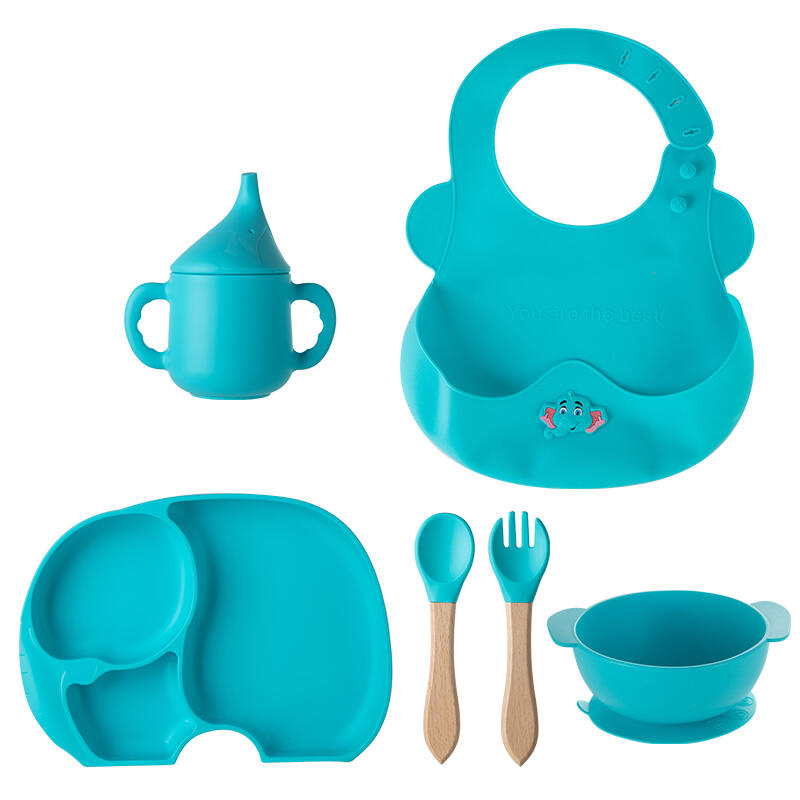
Parents worldwide are increasingly turning to silicone baby bowls as their preferred choice for feeding their little ones, both at home and during travel adventures. The growing popularity of these innovative feeding solutions stems from their unique combination of safety, durability, and practical benefits that address the specific challenges of infant feeding. Modern parents demand products that not only prioritize their child's health and safety but also simplify their daily routines, making silicone baby bowls an ideal solution for contemporary family lifestyles.
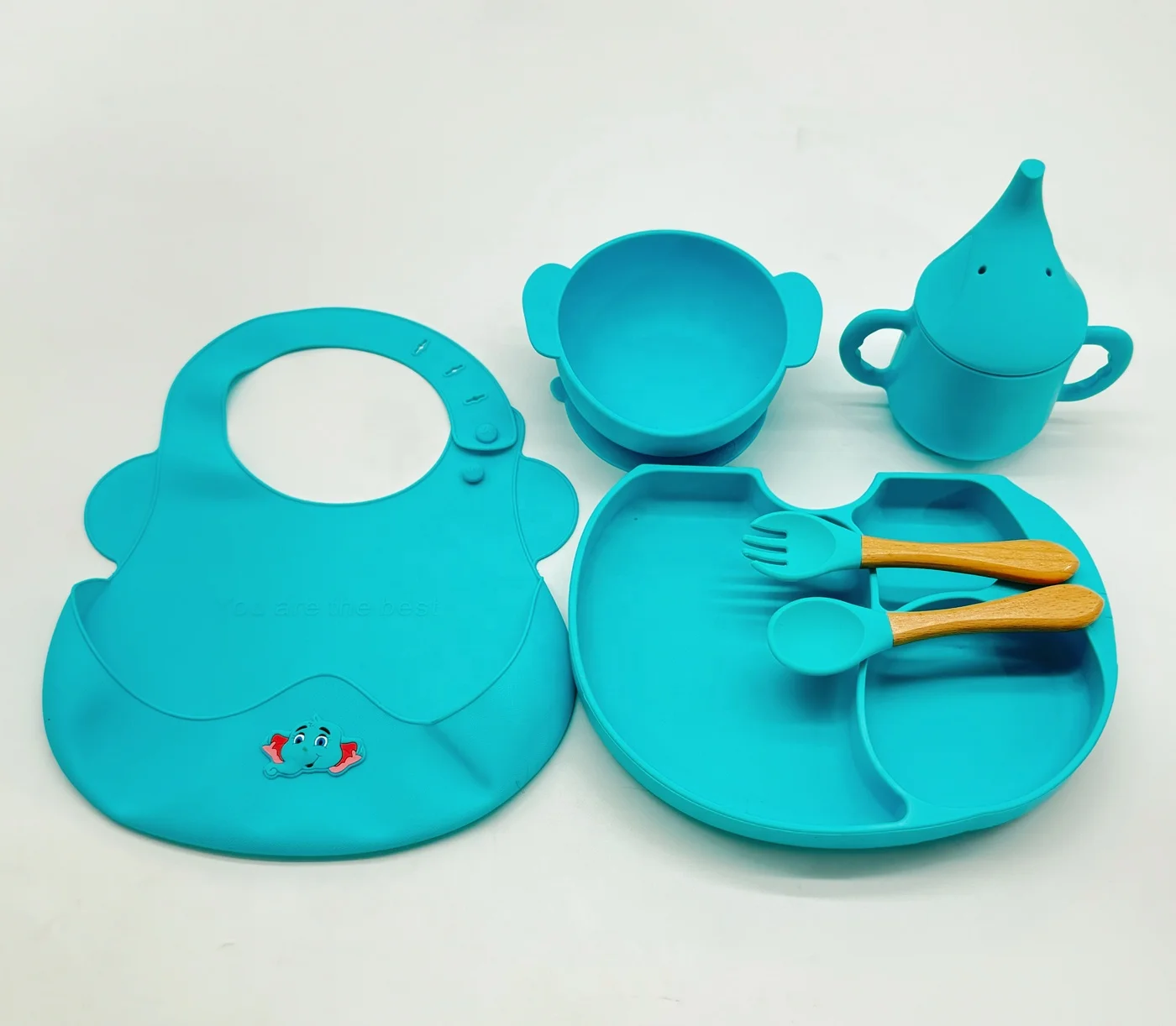
Superior Safety Features of Silicone Baby Bowls
Non-Toxic Material Composition
Silicone baby bowls are manufactured from food-grade silicone that is completely free from harmful chemicals such as BPA, phthalates, PVC, and lead. This medical-grade material ensures that no toxic substances leach into your baby's food, even when exposed to high temperatures or acidic foods. The inherent safety of silicone makes it an excellent alternative to plastic containers that may contain questionable additives or traditional ceramics that can break into dangerous shards.
The molecular structure of food-grade silicone remains stable across a wide range of temperatures, from freezing to boiling points. This stability means that parents can confidently use these bowls for various feeding scenarios without worrying about chemical degradation or contamination. The material has been extensively tested and approved by major health organizations worldwide, providing peace of mind for health-conscious parents who prioritize their child's wellbeing above all else.
Temperature Resistance and Safety
One of the most remarkable safety features of silicone baby bowls is their exceptional temperature resistance, typically ranging from -40°F to 450°F (-40°C to 230°C). This wide temperature tolerance allows parents to safely transition from refrigerated foods to microwave heating without risking material degradation or the release of harmful compounds. The bowls remain cool to the touch even when containing warm foods, protecting little hands from accidental burns during self-feeding attempts.
The thermal properties of silicone also mean that these bowls can be safely sterilized using various methods, including boiling water, steam sterilizers, or dishwasher sanitizing cycles. This versatility in cleaning and sterilization options ensures that parents can maintain the highest hygiene standards without compromising the integrity of the feeding equipment, making them particularly valuable for newborns and infants with developing immune systems.
Practical Advantages for Daily Feeding
Unbreakable Durability
The flexible and resilient nature of silicone makes these bowls virtually indestructible under normal use conditions. Unlike ceramic or glass alternatives that can shatter when dropped, silicone baby bowls simply bounce back, eliminating the risk of injury from broken pieces and reducing replacement costs for parents. This durability factor is particularly important as babies develop their motor skills and inevitably drop, throw, or bang their feeding equipment during mealtime exploration.
The longevity of silicone baby bowls extends far beyond the infant feeding stage, often lasting through toddlerhood and even into childhood. This extended usability makes them an economical investment for growing families, as the same bowls can adapt to changing portion sizes and food types as children develop. The material's resistance to staining, odor retention, and wear ensures that these bowls maintain their appearance and functionality throughout years of regular use.
Easy Cleaning and Maintenance
Silicone baby bowls feature a non-porous surface that resists bacterial growth and prevents food particles from adhering permanently to the material. This characteristic makes cleanup significantly easier compared to other materials, as even stubborn foods like tomato sauce or pureed carrots can be easily removed with simple soap and water. The smooth surface also means that parents don't need to worry about hidden crevices where bacteria might accumulate over time.
The dishwasher-safe nature of silicone baby bowls adds another layer of convenience for busy parents who rely on efficient cleaning methods. These bowls can withstand repeated dishwasher cycles without losing their shape, color, or functionality, making them ideal for families who prioritize time-saving kitchen solutions. Additionally, the quick-drying properties of silicone mean that bowls are ready for immediate use after washing, eliminating the wait time often associated with other materials.
Travel-Friendly Design Benefits
Lightweight and Portable Construction
The lightweight nature of silicone baby bowls makes them exceptional travel companions for families on the go. Unlike heavy ceramic or glass alternatives, silicone bowls add minimal weight to already packed diaper bags, strollers, or travel luggage. This weight advantage becomes particularly important during extended trips, air travel, or day-long outings where every ounce matters in the overall carrying load for parents managing multiple children and their associated gear.
Many silicone baby bowl designs incorporate collapsible or stackable features that further enhance their portability. These space-saving designs allow parents to pack multiple bowls in the space traditionally required for a single rigid container, maximizing efficiency in limited storage situations. The flexible material also means that bowls can be squeezed into tight spaces or odd-shaped compartments in travel bags without risk of damage or permanent deformation.
Suction Base Technology
Advanced silicone baby bowls often incorporate powerful suction bases that adhere securely to smooth surfaces like high chair trays, restaurant tables, or hotel room surfaces. This innovative feature addresses one of the most common challenges parents face during feeding times: keeping bowls stationary while babies learn to self-feed. The strong suction prevents bowls from sliding, tipping, or being easily knocked over by enthusiastic little hands exploring their meal.
The suction technology in quality silicone baby bowls is designed to provide strong adhesion while still allowing parents to remove the bowl easily when needed. This balance ensures that the bowl stays put during active feeding sessions but doesn't become permanently attached to surfaces, which could be problematic in public dining situations or when using borrowed furniture. The suction feature works effectively on various smooth surfaces, making these bowls versatile for use in different environments during travel or daily outings.
Developmental Benefits for Growing Babies
Sensory Exploration and Texture Learning
The unique texture and flexibility of silicone baby bowls provide valuable sensory experiences that contribute to infant development. The soft, slightly tactile surface allows babies to explore different textures safely while learning to coordinate their hand movements and developing fine motor skills. This sensory input is particularly important during the critical development period when babies are learning to associate touch with safety and comfort during feeding times.
The flexibility of silicone also enables babies to practice cause-and-effect learning as they discover how the material responds to pressure, squeezing, and manipulation. These interactions help develop cognitive skills while providing safe opportunities for exploration without the risks associated with harder materials. The bowl's responsiveness to touch teaches babies about material properties and helps them develop spatial awareness as they learn to navigate around and interact with their feeding equipment.
Self-Feeding Skill Development
Silicone baby bowls support the natural progression toward independent feeding by providing a stable, safe platform for babies to practice with finger foods and utensils. The non-slip base keeps the bowl in position while babies work on developing hand-eye coordination and fine motor control necessary for successful self-feeding. This stability is crucial during the messy but important learning phase when babies transition from being fed to feeding themselves.
The appropriate depth and wide rim design of quality silicone baby bowls make it easier for developing hands to access food while minimizing frustration that can occur with poorly designed feeding equipment. These design elements encourage continued practice and help build confidence in feeding abilities, supporting the developmental milestone of independent eating. The forgiving nature of silicone also means that even enthusiastic banging or aggressive scooping won't result in broken equipment or safety concerns.
Environmental and Economic Considerations
Sustainable Material Choice
Silicone baby bowls represent an environmentally conscious choice for eco-minded parents seeking sustainable feeding solutions. Unlike disposable plastic alternatives that contribute to landfill waste, high-quality silicone products can last for years, significantly reducing the environmental impact associated with constantly replacing feeding equipment. The durability and longevity of silicone mean fewer resources are consumed over the product's lifetime compared to frequently replaced alternatives.
The production process for food-grade silicone is generally cleaner than many plastic manufacturing processes, resulting in lower environmental pollution during creation. Additionally, silicone can be recycled through specialized programs, though its long lifespan means that recycling becomes necessary far less frequently than with other materials. This combination of durability, clean production, and recyclability makes silicone baby bowls an attractive option for families committed to reducing their environmental footprint.
Long-Term Cost Effectiveness
While the initial investment in quality silicone baby bowls may be higher than basic plastic alternatives, the long-term cost benefits are substantial. The exceptional durability means that parents typically need to purchase these bowls only once throughout their child's feeding development stages, compared to repeatedly replacing broken, stained, or worn-out alternatives made from inferior materials. This one-time investment approach often results in significant savings over time.
The multi-functional nature of silicone baby bowls also contributes to their economic value, as they can serve various purposes beyond basic feeding, including food storage, snack containers, or even craft supply organizers as children grow older. This versatility extends the useful life of the product well beyond the infant feeding stage, maximizing the return on investment for budget-conscious families who appreciate products that adapt to changing needs over time.
FAQ
Are silicone baby bowls safe for microwave and dishwasher use
Yes, high-quality food-grade silicone baby bowls are completely safe for both microwave and dishwasher use. The material can withstand temperatures from freezing to over 400°F without degrading or releasing harmful chemicals. However, always check the manufacturer's specific temperature guidelines and avoid using the microwave's highest settings to prevent overheating of food contents.
How do I clean stubborn stains from silicone baby bowls
For stubborn stains on silicone baby bowls, create a paste using baking soda and water, let it sit for 15-20 minutes, then scrub gently with a soft brush. For persistent odors, soaking in a solution of white vinegar and water overnight can help neutralize smells. Most stains and odors can also be eliminated by placing the bowl in direct sunlight for several hours after washing.
What age is appropriate to start using silicone baby bowls
Silicone baby bowls can be safely introduced when babies begin eating solid foods, typically around 6 months of age. The soft material and suction base features make them ideal for babies who are learning to self-feed. Many parents continue using these bowls well into toddlerhood due to their durability and appropriate sizing for growing appetites.
How long do silicone baby bowls typically last with regular use
With proper care and regular use, quality silicone baby bowls can last 3-5 years or even longer. The material resists cracking, fading, and odor absorption when maintained properly. Signs that replacement may be needed include permanent discoloration, loss of suction effectiveness, or visible tears in the material, though these issues are rare with high-quality products under normal use conditions.