
 EN
EN

Engine systems operate under extreme conditions where temperatures soar beyond 200°C and pressure levels can exceed 30 PSI, demanding components that can withstand these harsh environments without failure. A reinforced silicone hose represents the pinnacle of engineering excellence in automotive and industrial applications, providing unmatched durability where standard rubber hoses would quickly deteriorate. These specialized hoses combine the inherent flexibility and chemical resistance of silicone with structural reinforcement layers that dramatically enhance their performance capabilities. Understanding how these critical components function under extreme conditions is essential for engineers, technicians, and automotive professionals who require reliable fluid transfer solutions in high-performance applications.
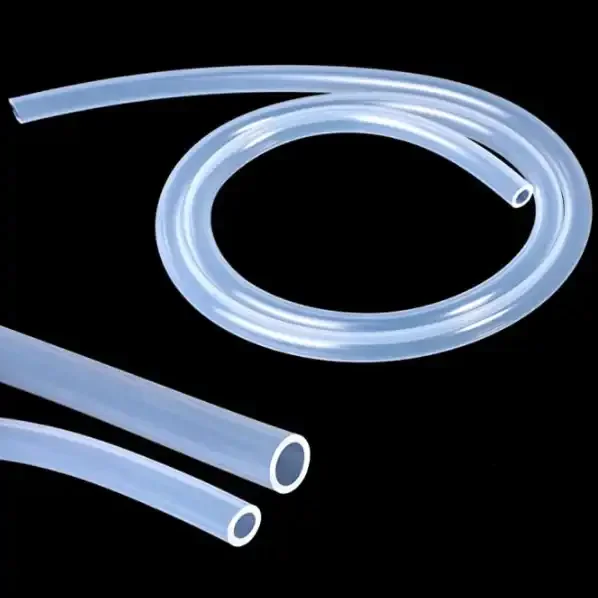
Advanced Construction Methods for Enhanced Performance
Multi-Layer Reinforcement Technologies
The construction of a reinforced silicone hose involves sophisticated layering techniques that create a composite structure capable of handling extreme operational demands. The innermost layer consists of high-grade silicone rubber that maintains direct contact with fluids, providing excellent chemical resistance and maintaining flexibility across wide temperature ranges. This inner tube is specifically formulated to resist degradation from coolants, oils, and other automotive fluids commonly found in engine systems.
Between the inner and outer silicone layers, manufacturers integrate reinforcement materials such as polyester fabric, aramid fibers, or steel wire braiding. These reinforcement layers serve as the structural backbone of the reinforced silicone hose, distributing pressure forces evenly across the hose wall and preventing catastrophic failure under high-pressure conditions. The specific choice of reinforcement material depends on the intended application, with polyester providing excellent general-purpose strength while aramid fibers offer superior heat resistance for extreme temperature applications.
Precision Manufacturing Processes
Manufacturing a reinforced silicone hose requires precise control of material properties and curing processes to achieve optimal performance characteristics. The silicone compounds used in these hoses undergo platinum-catalyzed curing, which produces a more stable polymer matrix compared to peroxide-cured alternatives. This curing method ensures that the finished product maintains its mechanical properties even when exposed to continuous high temperatures that would cause standard rubber hoses to become brittle and fail.
During the manufacturing process, each layer is carefully applied and cured to create strong adhesion between the silicone matrix and reinforcement materials. Advanced manufacturers employ automated systems that monitor temperature, pressure, and timing throughout the production cycle, ensuring consistent quality and performance in every reinforced silicone hose. Quality control measures include pressure testing, temperature cycling, and chemical compatibility verification to guarantee that each product meets stringent industry specifications.
Thermal Performance Under Extreme Heat Conditions
High-Temperature Stability Mechanisms
The exceptional thermal performance of a reinforced silicone hose stems from the unique molecular structure of silicone polymers, which maintain their flexibility and sealing properties across an operating temperature range from -65°C to +260°C. Unlike organic rubber compounds that undergo thermal degradation through chain scission and cross-linking reactions, silicone maintains its polymer integrity through strong silicon-oxygen bonds that resist thermal breakdown. This molecular stability allows the reinforced silicone hose to function reliably in engine compartments where temperatures regularly exceed 150°C.
The reinforcement layers in these hoses are specifically selected for their thermal compatibility with silicone rubber, ensuring that differential thermal expansion does not create stress concentrations that could lead to delamination. Modern reinforcement materials such as fluoropolymer-coated fibers provide additional thermal protection while maintaining the flexibility required for installation in complex engine bay geometries. This thermal stability is particularly critical in turbocharged engines where intake air temperatures can reach extreme levels that would quickly destroy conventional hose materials.
Heat Transfer and Insulation Properties
Beyond simple temperature resistance, a reinforced silicone hose demonstrates excellent thermal management characteristics that contribute to overall engine efficiency. The silicone material exhibits low thermal conductivity, which helps maintain fluid temperatures within optimal operating ranges while protecting surrounding components from excessive heat exposure. This insulation property is particularly valuable in applications where precise temperature control is critical for engine performance and emissions compliance.
The thermal mass of the reinforced silicone hose wall also provides beneficial heat buffering effects during rapid temperature changes that occur during engine startup and shutdown cycles. This thermal inertia helps reduce stress on connected components and maintains more stable operating conditions throughout the fluid transfer system. Advanced formulations of reinforced silicone hose incorporate thermally conductive fillers when specific heat transfer characteristics are required, allowing engineers to fine-tune thermal performance for specialized applications.
Pressure Resistance and Structural Integrity
Burst Pressure Capabilities
The pressure handling capabilities of a reinforced silicone hose significantly exceed those of standard rubber alternatives, with typical working pressures ranging from 20 to 150 PSI depending on the specific construction and reinforcement design. The burst pressure, which represents the ultimate failure point, often exceeds four times the working pressure rating, providing substantial safety margins for critical applications. This exceptional pressure resistance results from the synergistic combination of flexible silicone rubber and high-strength reinforcement materials that distribute stress forces throughout the hose wall.
Testing protocols for pressure resistance involve subjecting each reinforced silicone hose design to cyclic pressure loading that simulates real-world operating conditions over extended periods. These tests verify that the hose maintains its sealing integrity and structural stability through thousands of pressure cycles, ensuring reliable performance throughout the service life of the vehicle or equipment. The reinforcement pattern and density are optimized to provide uniform pressure distribution while maintaining the flexibility required for installation and thermal expansion accommodation.
Fatigue Resistance Under Cyclic Loading
Engine systems subject hoses to continuous pressure fluctuations as pumps cycle on and off, creating fatigue loading conditions that can cause premature failure in inferior products. A reinforced silicone hose demonstrates exceptional fatigue resistance through its ability to flex repeatedly without developing stress cracks or losing sealing capability. The silicone material exhibits viscoelastic properties that allow it to absorb and dissipate mechanical energy, reducing the stress concentrations that typically lead to fatigue failure in rigid materials.
The reinforcement layers in these hoses are designed to share load distribution during pressure fluctuations, preventing any single component from becoming overstressed. This load-sharing mechanism extends the service life of the reinforced silicone hose well beyond that of unreinforced alternatives, reducing maintenance costs and improving system reliability. Advanced manufacturing techniques ensure that the bond between reinforcement and silicone remains intact throughout the expected service life, maintaining structural integrity even under severe operating conditions.
Chemical Compatibility and Fluid Resistance
Resistance to Automotive Fluids
The chemical inertness of silicone polymers makes a reinforced silicone hose highly compatible with a wide range of automotive fluids including engine coolants, hydraulic fluids, and various oils. This broad chemical compatibility eliminates concerns about fluid degradation or hose swelling that commonly occur when incompatible materials are used in fluid transfer applications. The silicone material maintains its physical properties even when exposed to aggressive additives such as corrosion inhibitors, anti-freeze compounds, and performance enhancers found in modern automotive fluids.
Long-term exposure testing demonstrates that reinforced silicone hose materials show minimal changes in hardness, tensile strength, or elongation properties after thousands of hours of contact with various automotive fluids. This stability is particularly important in cooling system applications where fluid contamination or hose degradation can lead to costly engine damage. The non-reactive nature of silicone also prevents the formation of deposits or residues that could restrict fluid flow or damage system components.
Ozone and UV Resistance
Environmental factors such as ozone exposure and ultraviolet radiation can rapidly degrade conventional rubber hoses, leading to cracking, hardening, and eventual failure. A reinforced silicone hose demonstrates exceptional resistance to these environmental stressors, maintaining its flexibility and sealing properties even after extended outdoor exposure. The silicon-oxygen backbone of the polymer chain provides inherent UV stability, while the absence of double bonds eliminates the ozone attack mechanisms that affect natural and synthetic rubber compounds.
This environmental resistance makes reinforced silicone hose ideal for applications where components may be exposed to ambient conditions for extended periods. The material does not require additional UV stabilizers or antioxidants that could potentially leach out over time and compromise performance. Field testing in harsh environmental conditions confirms that these hoses maintain their original properties even after years of exposure to temperature cycling, humidity variations, and chemical contamination typical of automotive service environments.
Installation Considerations and Performance Optimization
Proper Installation Techniques
Achieving optimal performance from a reinforced silicone hose requires attention to proper installation practices that account for the unique properties of silicone materials. The flexibility of silicone allows for easier routing around obstacles and through tight spaces, but installers must avoid excessive bending that could kink the hose and restrict flow. Minimum bend radius specifications should be carefully observed to prevent stress concentrations that could reduce service life or cause premature failure.
Clamping systems for reinforced silicone hose installations require specific consideration of the material's properties to ensure reliable sealing without damage. The relatively soft nature of silicone compared to rubber necessitates the use of clamps with smooth, rounded edges that distribute clamping forces evenly around the hose circumference. Over-tightening should be avoided as it can cause the silicone to flow and create leak paths, while under-tightening may result in insufficient sealing pressure for reliable operation.
System Integration and Compatibility
Integrating a reinforced silicone hose into existing systems requires consideration of thermal expansion characteristics and connection compatibility with other system components. The thermal expansion coefficient of silicone differs from that of metal components, necessitating adequate allowance for dimensional changes during temperature cycling. Proper system design accommodates these thermal effects through appropriate hose routing and connection methods that prevent stress concentration at attachment points.
Compatibility with existing fittings and connections should be verified during system design to ensure reliable sealing and proper function. While reinforced silicone hose can typically be used as a direct replacement for rubber alternatives, differences in material properties may require adjustments to clamping torques, support spacing, or routing configurations. System testing under actual operating conditions verifies that the installation meets performance requirements and identifies any adjustments needed for optimal operation.
Maintenance and Service Life Optimization
Inspection and Monitoring Protocols
Regular inspection of reinforced silicone hose installations helps identify potential issues before they lead to system failures or costly repairs. Visual inspection should focus on signs of cracking, swelling, or discoloration that could indicate chemical attack or thermal damage. The flexible nature of silicone makes it particularly important to check for kinking or excessive bending that might restrict flow or create stress concentrations leading to premature failure.
Periodic pressure testing can verify that the reinforced silicone hose maintains its structural integrity and sealing capability throughout its service life. These tests should be conducted at pressures slightly above normal operating levels to identify any degradation in pressure handling capability. Temperature monitoring at critical locations can also help identify thermal issues that might affect hose performance or indicate problems with other system components.
Replacement Scheduling and Predictive Maintenance
Establishing appropriate replacement intervals for reinforced silicone hose components involves consideration of operating conditions, system criticality, and manufacturer recommendations. While these hoses typically offer much longer service life than rubber alternatives, preventive replacement can avoid unexpected failures in critical applications. Service life can be optimized through proper system design that minimizes stress factors such as excessive temperatures, pressures, or chemical exposure.
Predictive maintenance techniques such as infrared thermography or ultrasonic testing can help assess the condition of reinforced silicone hose installations without requiring system shutdown. These non-destructive evaluation methods can identify developing problems such as internal flow restrictions, wall thinning, or delamination between reinforcement layers. Early detection of these issues allows for planned maintenance activities that minimize system downtime and reduce overall maintenance costs.
FAQ
What is the maximum temperature a reinforced silicone hose can withstand?
A reinforced silicone hose can typically withstand continuous temperatures up to 260°C (500°F) and intermittent temperatures up to 300°C (572°F) depending on the specific formulation and reinforcement design. The silicone material maintains its flexibility and sealing properties throughout this temperature range, making it ideal for high-temperature engine applications where conventional rubber hoses would quickly fail. Some specialized formulations can handle even higher temperatures for short durations in extreme applications.
How does the pressure rating of reinforced silicone hose compare to standard rubber alternatives?
Reinforced silicone hose typically offers working pressure ratings ranging from 20 to 150 PSI, which significantly exceeds the capabilities of most standard rubber hoses. The reinforcement layers distribute pressure forces throughout the hose wall, providing burst pressures that often exceed four times the working pressure rating. This superior pressure handling capability, combined with excellent fatigue resistance, makes reinforced silicone hose ideal for high-pressure automotive and industrial applications where reliability is critical.
Can reinforced silicone hose be used with all types of automotive fluids?
Reinforced silicone hose demonstrates excellent compatibility with most automotive fluids including engine coolants, hydraulic fluids, and various oils due to the chemical inertness of silicone polymers. However, it may not be suitable for use with certain petroleum-based products or aggressive solvents that can cause swelling or degradation. It is important to verify chemical compatibility with specific fluids and additives before installation to ensure optimal performance and service life in each application.
What are the key installation considerations for reinforced silicone hose?
Proper installation of reinforced silicone hose requires attention to minimum bend radius specifications to prevent kinking and stress concentrations. Clamping systems should use smooth, rounded clamps that distribute forces evenly without over-tightening, which could cause the silicone to flow and create leak paths. Adequate allowance for thermal expansion must be provided in system design, and compatibility with existing fittings should be verified to ensure reliable sealing and proper function throughout the expected service life.
Table of Contents
- Advanced Construction Methods for Enhanced Performance
- Thermal Performance Under Extreme Heat Conditions
- Pressure Resistance and Structural Integrity
- Chemical Compatibility and Fluid Resistance
- Installation Considerations and Performance Optimization
- Maintenance and Service Life Optimization
-
FAQ
- What is the maximum temperature a reinforced silicone hose can withstand?
- How does the pressure rating of reinforced silicone hose compare to standard rubber alternatives?
- Can reinforced silicone hose be used with all types of automotive fluids?
- What are the key installation considerations for reinforced silicone hose?