
 EN
EN

Modern automotive and HVAC systems rely heavily on high-performance components that can withstand extreme temperatures, chemical exposure, and mechanical stress. Among these critical components, silicone hoses have emerged as indispensable elements that ensure optimal system performance across diverse applications. These specialized rubber components offer superior durability and flexibility compared to traditional materials, making them essential for maintaining system integrity in demanding environments. Understanding where silicone hoses are most critical helps engineers, technicians, and system designers make informed decisions about component selection and system optimization.
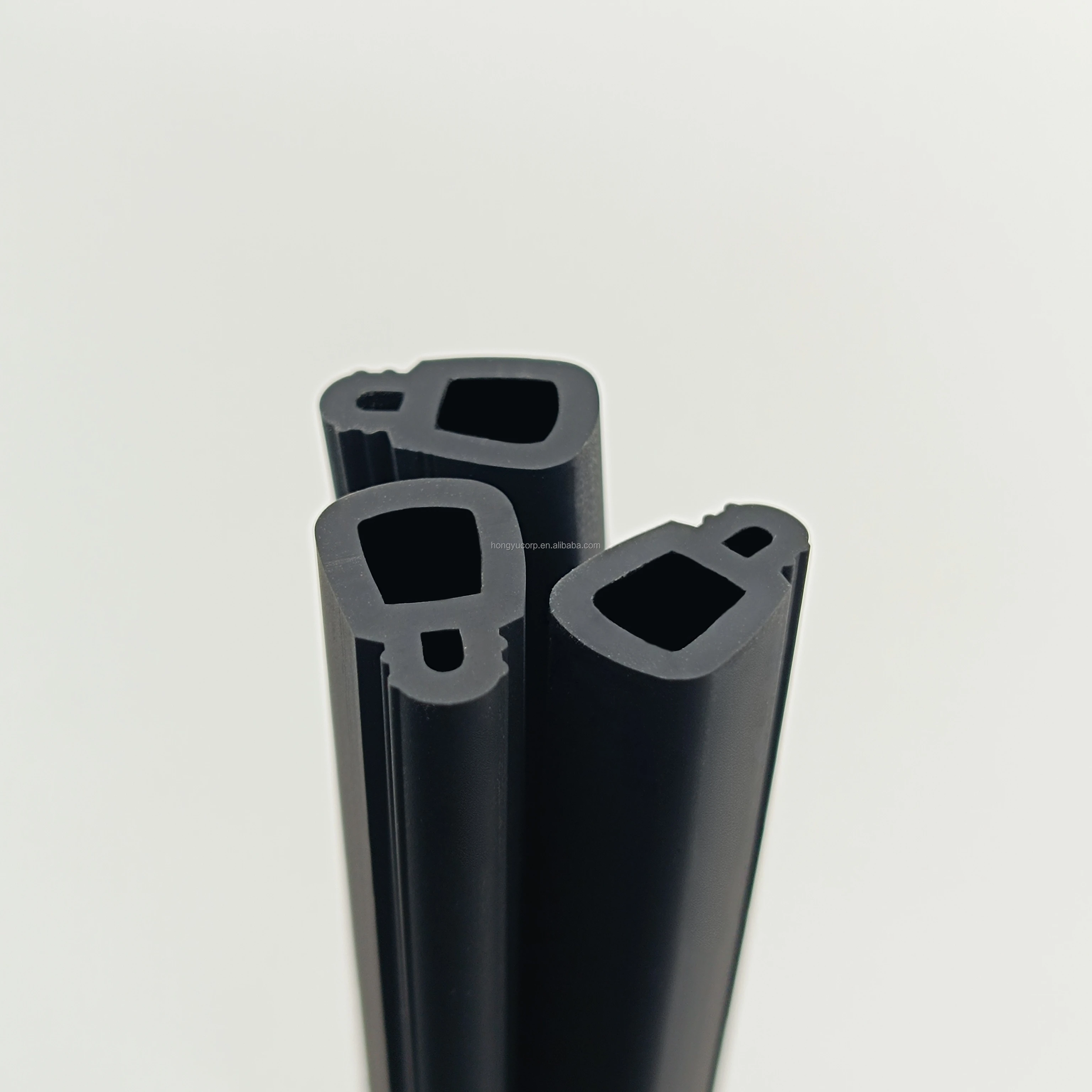
Automotive Engine Bay Applications
Cooling System Integration
Within automotive cooling systems, silicone hoses play a fundamental role in maintaining optimal engine temperatures under varying operating conditions. These components connect radiators, water pumps, thermostats, and other cooling system elements while withstanding temperature fluctuations ranging from sub-zero conditions to over 200 degrees Celsius. The superior heat resistance of silicone hoses prevents degradation and cracking that commonly affects rubber alternatives, ensuring consistent coolant flow throughout the engine's operational lifecycle.
The flexibility characteristics of silicone hoses allow for easy installation around complex engine geometries while maintaining secure connections under vibration and thermal cycling. This adaptability becomes particularly important in modern compact engine designs where space constraints require precise routing of cooling lines. Additionally, the chemical resistance properties protect against corrosion from coolant additives and prevent internal deterioration that could compromise system performance.
Turbocharger and Supercharger Systems
Forced induction systems present some of the most demanding applications for silicone hoses in automotive applications. Turbochargers and superchargers generate extreme temperatures and pressures that would quickly destroy conventional rubber components. The high-temperature stability of silicone materials allows these hoses to maintain structural integrity even when exposed to exhaust gases and compressed air temperatures exceeding 250 degrees Celsius.
Intercooler connections represent another critical application where silicone hoses must handle both high temperatures from compressed intake air and the thermal shock of rapid cooling. The material's ability to maintain flexibility across wide temperature ranges prevents connection failures that could result in boost pressure losses and reduced engine performance. Furthermore, the smooth internal surface of silicone hoses minimizes turbulence in airflow, contributing to improved system efficiency.
HVAC System Critical Points
Refrigerant Line Connections
Commercial and residential HVAC systems depend on silicone hoses for reliable refrigerant circulation and system component connections. These applications require materials that can withstand the chemical properties of modern refrigerants while maintaining flexibility during system operation and maintenance procedures. Silicone hoses provide excellent compatibility with various refrigerant types, including newer environmentally friendly formulations that can be aggressive toward conventional rubber materials.
The low permeability characteristics of silicone hoses help maintain system efficiency by minimizing refrigerant losses through material diffusion. This property becomes increasingly important as HVAC systems operate for extended periods without maintenance, and even small leaks can significantly impact energy efficiency and environmental compliance. Temperature cycling resistance ensures that connections remain secure during normal system operation cycles.
Heat Exchanger Applications
Heat exchangers in HVAC systems require silicone hoses that can handle both heating and cooling media while maintaining structural integrity under pressure differentials. These components must accommodate thermal expansion and contraction without developing stress fractures that could lead to system failures. The elastic properties of silicone hoses allow them to flex with system movements while maintaining tight seals at connection points.
In geothermal and solar heating applications, silicone hoses encounter particularly challenging conditions including exposure to glycol-based heat transfer fluids and extreme temperature variations. The chemical inertness of silicone materials prevents degradation from these specialized fluids while maintaining long-term reliability in critical system connections. This durability translates to reduced maintenance requirements and improved system uptime.
Performance Advantages in Critical Applications
Temperature Resistance Characteristics
The exceptional temperature range capabilities of silicone hoses make them irreplaceable in applications where conventional materials fail. Operating effectively from negative 65 degrees Celsius to positive 300 degrees Celsius, these components maintain their physical properties across temperature extremes that would cause rubber alternatives to become brittle or overly soft. This wide operational range eliminates the need for seasonal component changes in systems exposed to varying climate conditions.
Thermal stability also extends to rapid temperature changes, where silicone hoses demonstrate superior resistance to thermal shock compared to other flexible materials. This characteristic proves essential in automotive applications where engine bay temperatures can change rapidly during operation, and in HVAC systems that cycle between heating and cooling modes. The ability to withstand these thermal stresses without material failure ensures consistent system performance.
Chemical Compatibility Benefits
The broad chemical resistance of silicone hoses enables their use with diverse fluids and gases encountered in automotive and HVAC applications. From engine coolants and hydraulic fluids to refrigerants and cleaning solvents, silicone hoses maintain their integrity when exposed to chemicals that would quickly degrade conventional rubber materials. This compatibility reduces the risk of contamination between system fluids and prevents material breakdown that could introduce particles into critical systems.
Ozone resistance represents another significant advantage, particularly for exterior automotive applications and HVAC systems with outdoor components. Unlike natural rubber materials that crack and deteriorate when exposed to atmospheric ozone, silicone hoses maintain their flexibility and sealing properties throughout extended exposure periods. This resistance extends component service life and reduces replacement frequency in demanding environmental conditions.
Installation and Maintenance Considerations
Proper Routing Techniques
Effective installation of silicone hoses requires understanding their unique properties and how they differ from conventional rubber components. The flexibility of silicone hoses allows for tighter bend radii without kinking, but installers must avoid over-stretching that could reduce component lifespan. Proper support and routing prevent excessive stress concentrations while allowing for thermal expansion and system vibration.
Connection torque specifications often differ for silicone hoses compared to rubber alternatives due to material compression characteristics. Following manufacturer guidelines for clamp torque prevents both under-tightening that could allow leaks and over-tightening that might damage the hose material. Regular inspection procedures should focus on connection points and areas subject to high temperatures or mechanical stress.
Long-term Performance Monitoring
While silicone hoses offer superior longevity compared to conventional materials, systematic monitoring ensures optimal performance throughout their service life. Visual inspections should identify any surface cracking, swelling, or hardening that might indicate material degradation or incompatibility with system fluids. Temperature monitoring at critical connection points helps identify potential hot spots that could accelerate material aging.
Preventive replacement schedules for silicone hoses can be extended compared to rubber components, but should still account for specific application demands and environmental conditions. Documentation of installation dates and inspection results helps optimize replacement intervals while maintaining system reliability. Understanding the failure modes specific to silicone materials enables more effective maintenance strategies and early problem detection.
Future Applications and Technology Development
Advanced Automotive Systems
Emerging automotive technologies continue to expand the critical applications for silicone hoses as vehicle systems become more complex and demanding. Electric vehicle thermal management systems require components that can handle both high-voltage electrical isolation and efficient heat transfer, making silicone hoses essential for battery cooling and cabin climate control. The development of autonomous vehicles introduces new requirements for reliability and longevity that favor silicone materials.
Hydrogen fuel cell vehicles present another frontier where silicone hoses play crucial roles in both fuel delivery systems and thermal management applications. The chemical compatibility and temperature resistance of silicone materials make them suitable for handling hydrogen gas and the specialized cooling requirements of fuel cell stacks. These applications demand the highest levels of material purity and consistency to ensure safe operation.
HVAC System Innovation
Modern HVAC system designs increasingly rely on silicone hoses to enable advanced features like variable refrigerant flow and integrated energy recovery systems. These technologies require precise control of fluid flows and temperatures that depend on consistent component performance across varying operating conditions. The reliability of silicone hoses supports the development of more efficient and responsive climate control systems.
Smart building integration demands HVAC components that can operate reliably with minimal maintenance while supporting advanced monitoring and control systems. Silicone hoses contribute to these goals by providing long-term stability and predictable performance characteristics that enable accurate system modeling and optimization. The material properties support integration with sensor systems and remote monitoring capabilities essential for modern building management.
FAQ
How do silicone hoses compare to rubber hoses in automotive applications
Silicone hoses offer superior temperature resistance, chemical compatibility, and longevity compared to conventional rubber hoses in automotive applications. They maintain flexibility across wider temperature ranges and resist degradation from engine fluids, ozone, and UV exposure. While silicone hoses typically cost more initially, their extended service life and reduced maintenance requirements often provide better total cost of ownership in demanding automotive environments.
What temperature ranges can silicone hoses handle in HVAC systems
Quality silicone hoses can operate effectively from negative 65 degrees Celsius to positive 300 degrees Celsius, making them suitable for virtually all HVAC applications including extreme climate conditions and specialized industrial processes. This wide temperature range eliminates the need for seasonal component changes and ensures consistent performance across varying system loads and environmental conditions.
Are there specific installation requirements for silicone hoses
Silicone hoses require specific installation techniques including proper torque specifications for clamps, adequate support to prevent stress concentrations, and routing that accounts for thermal expansion. Installers should avoid over-stretching the material and ensure compatibility between silicone hoses and system fluids. Following manufacturer guidelines for bend radius and connection procedures ensures optimal performance and component longevity.
How often should silicone hoses be inspected in critical systems
While silicone hoses offer superior longevity, regular inspection intervals depend on specific application conditions and system criticality. Generally, visual inspections every six months identify potential issues before failure occurs, with more frequent monitoring for high-temperature or chemically aggressive environments. Systematic documentation of inspection results helps optimize replacement schedules and maintain system reliability while maximizing component service life.